
Students Centric
Placements Report
Trackable results, real numbers
Reviews
Proven success, real voices
Trainers
Expert-led, Industry-Driven Training
Life at IIDE
Vibrant Spirit student life
Alumni
Successful Journeys, Inspiring Stories
Learning Centre
Webinars
Blogs
Case studies
Live, Interactive Masterclasses
Fresh Insights, quick reads
Real-life, Industry relevant
More
Hire from us
Hire Top Digital Marketing Talent
Work with us
Join Our Team, Make an Impact
Customised Training
Personalised digital marketing training for your company
Refer & earn
Simple, easy rewards
Contact us
Get the answers you need
About us
Know more about IIDE
Explore all course options

FOR FRESH GRADUATES
Post Graduation Program in Digital Marketing & Business Strategy- Ideal for Age: 20–25 Years

Can’t decide? Explore all our
Digital Marketing Courses
COMPARE BOTH OUR PROGRAMSOffline
Offline AI Courses with Dual CertificationsIndustry-Aligned TRACKMost Popular
UG Program in Digital Business & Entrepreneurship- Ideal for 12th Pass out / FY Degree Student

PARTNER PROGRAMS





Can’t decide? Explore all
BBA In Digital Marketing Colleges
Orginally Written by Aditya Shastri
Updated on Feb 18, 2026
Share on:


L’Oréal’s marketing strategy is to make beauty feel both aspirational and accessible. The brand uses science-backed innovation and education to build trust. Creators, influencers, and strong storytelling help it stay culturally relevant.
By combining digital-first marketing with traditional media, L’Oréal ensures it speaks to multiple generations without losing consistency.
The biggest challenge for L’Oréal is staying authentic and relatable in a market crowded with indie and Gen Z–led brands that thrive on transparency and community. With so many beauty options available, cutting through the noise and maintaining emotional connection is an ongoing task.
Before diving into the marketing strategy of L’Oréal, I’d like to inform you that the research and initial analysis for this piece were conducted by Krina Chheda. She is a current student in IIDE Post Graduate Program in Digital Marketing (May 2025 Batch).
If you found this helpful, feel free to reach out to Krina Chheda to send a quick note of appreciation for her fantastic research – she’ll truly appreciate the kudos.
About L’Oréal
L’Oréal stands as the world’s leading beauty company, founded in 1909 by Eugène Schueller in Clichy, France, now marketing over 500 brands focused on hair color, skincare, fragrance, and more.
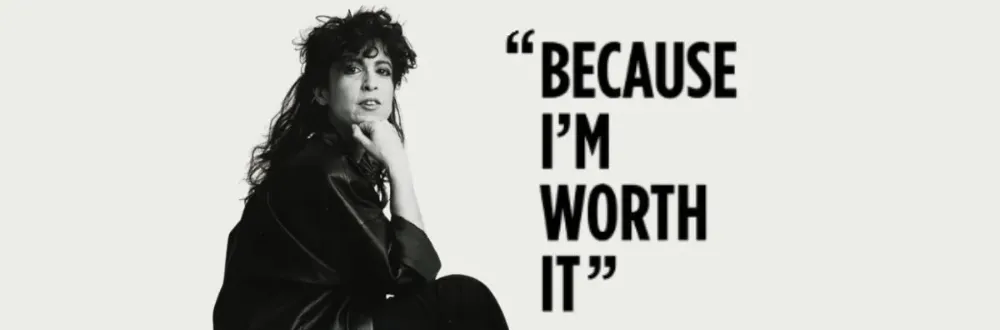
Company Origins: Starting with innovative hair dyes, L’Oréal expanded into safe, clinically proven cleansing and beauty products. Its iconic slogan “Because I’m Worth It” evolved to “Because We’re All Worth It” in recent years, emphasizing inclusivity across all demographics.
Diverse Portfolio: The brand spans luxury lines like Lancôme and Yves Saint Laurent alongside accessible options such as Maybelline, Garnier, and L’Oréal Paris. This dual approach delivers science-backed innovation for every skin tone, hair type, age, and budget, rooted in R&D across toxicology, dermatology, and tissue engineering.
Recent Developments & Strategic Growth
L’Oréal Paris appointed Anushka Sharma as its India brand ambassador, targeting metros with launches like Redken for premium salons.
- Aditi Anand from Coca-Cola joined as Head of Marketing for L’Oréal Professional, while a mass-market campaign boldly featured a man, reinforcing universal beauty.
- The company acquired Aesop for $2.5 billion, bolstering its prestige segment amid steady 2026 expansion in India and globally.
- L’Oréal blends cutting-edge tech like AI personalization with relatable storytelling via influencers and real users, positioning it as an empowering beauty ally for all.
Campaign Run By Loreal in Past Years
"Because I’m Worth It" (1967): This iconic slogan has been a cornerstone of L’Oréal’s branding and advertising. It emphasizes self-worth and empowerment, connecting with consumers on a personal level.
“True Match” (Jan 2023): L’Oréal supercharged True Match foundations with AR shade-matching across 200+ tones. It champions inclusivity via global diverse models in virtual try-ons.
“Stand Up Against Street Harassment” (2025): L’Oréal teamed with Hollaback! for VR training modules worldwide. It sparks global bystander action in 2026’s equity push.
"My Worth My Choice" (2026) campaign emphasizes that self-worth is an internal decision rather than a reflection of social media validation or external standards. It encourages individuals to reclaim their power by making beauty choices that reflect their true selves, moving beyond the pressure of digital filters and public approval.
Top 5 Competitors of Loreal
Lakmé
- Remains a powerhouse international beauty brand crafted for Indian women. Its headquarters stays in Mumbai, Maharashtra, India.
- Launched in 1952, Lakmé holds strong as India's first thriving cosmetics brand.
- The name draws from the French opera Lakmé, meaning goddess in French.
Unilever
- A global FMCG leader, originated in 1929 and now bases its HQ in London, UK.
- It boasts brands like Dove and Axe, fueling fierce rivalry in beauty markets amid 2026's €45B+ industry surge.
Avon
- Excels in perfumes, personal care, cosmetics, and skincare. This multinational from London rivals L'Oréal and Lakmé globally.
- Avon operates in over 100 countries, hitting $9.5 billion revenue this fiscal year through savvy direct selling.
Coty:
- Headquartered in New York, US, commands a $11.2 billion valuation after founder François Coty's 1904 Paris start.
- Coty spans hair color & styling, fragrance, skin & body care, and color cosmetics in 2026's AI-personalized trends.
Chanel
- Co-founded by Coco Chanel and Pierre Wertheimer in 1914 in Paris, HQs in London, UK.
- CHANEL dominates fashion, fragrances, makeup, skincare, jewelry, and watches thriving in luxury segments as beauty hits €500B globally.
To understand how retail giants complement brand presence, exploring the Marketing Strategy of Sephora reveals how they manage high-end beauty portfolios.

Learn Digital Marketing for FREE

Learn Digital Marketing for FREE
Marketing Objective or Business Challenge
L’Oréal’s primary marketing objective is to build long-term brand equity while driving product adoption through innovation, personalization, and trust.
The brand aims to position itself as a leader in inclusive, science-backed beauty by educating consumers, leveraging beauty tech, and maintaining consistent messaging across markets.
By combining emotional storytelling with performance-driven digital strategies, L’Oréal seeks to stay culturally relevant while scaling globally.
However, achieving this comes with key challenges. Operating across diverse markets requires balancing global brand consistency with local relevance, which can be complex. Premium pricing limits accessibility in price-sensitive regions.
While heavy dependence on digital platforms exposes campaigns to algorithm changes and declining organic reach. Additionally, managing a vast influencer ecosystem demands constant alignment with brand values to maintain credibility and consumer trust.
Within L’Oréal’s mass-market segment, the Marketing Strategy of Maybelline plays a crucial role in capturing the younger, trend-driven demographic.
Buyers Persona:

Priya
Seoni
Occupation: Working Profession
Age: 18 – 45 years old
Motivation
- To look presentable and confident in daily life
- To invest in beauty products that are effective and science-backed
- To follow trends without compromising on skin and hair health
- To choose brands that promote diversity, sustainability, and self-belief
Interest & Hobbies
- Skincare and makeup trend
- Watching beauty tutorials and reels
- Fashion and lifestyle content
- Self-care and wellness
- Trying new beauty products
- Social media browsing and shopping
Pain Points
- Confusion due to too many beauty options
- Skepticism around exaggerated marketing claims
- Limited time to research extensively before purchasing
- Difficulty finding products suited to their skin or hair type
- Concern about ingredient safety and sustainability
Social Media Presence
- YouTube
- TikTok
- Google Search
- E-commerce apps
Marketing Channels Used by L’Oréal
Where You’ll Find L’Oréal (Hint: Everywhere)
L’Oréal doesn’t rely on just one marketing channel. Instead, it shows up wherever its audience already is from your social media feed to the store shelf, the brand knows how to stay visible without feeling repetitive.
On the digital front L’Oréal actively invests in:
- Content-led marketing and SEO to drive organic discovery and long-term brand authority
- Performance marketing across search, display, and social platforms to boost reach and conversions
- Video-first platforms like YouTube, Instagram Reels, and TikTok to educate, entertain, and inspire beauty consumers
E-commerce. - Its available on all ecom platforms.
Beyond digital, L’Oréal continues to leverage traditional media. Television commercials, print features in leading magazines, outdoor advertising, and PR coverage help the brand maintain strong mass awareness and reinforce its leadership in the beauty category.
L’Oréal Marketing Strategy Breakdown
1.Influencer & Celebrity Marketing (You’re Worth It campaign)
On social media, L’Oréal brought the “You’re Worth It” campaign to life on Instagram and YouTube through powerful video content featuring Aishwarya Rai Bachchan, focusing on confidence and self-belief rather than just products.
The campaign was supported by reels, short films, and behind-the-scenes clips that felt personal and shareable. Influencers and creators joined the conversation by recreating the message in their own voice, helping it spread organically.
Offline, the message was reinforced through TV ads, print features, and in-store visuals, making the campaign feel present everywhere. This is one of L’Oréal’s strongest pillars. The brand works with global celebrities, regional icons, and digital creators to stay aspirational yet relatable.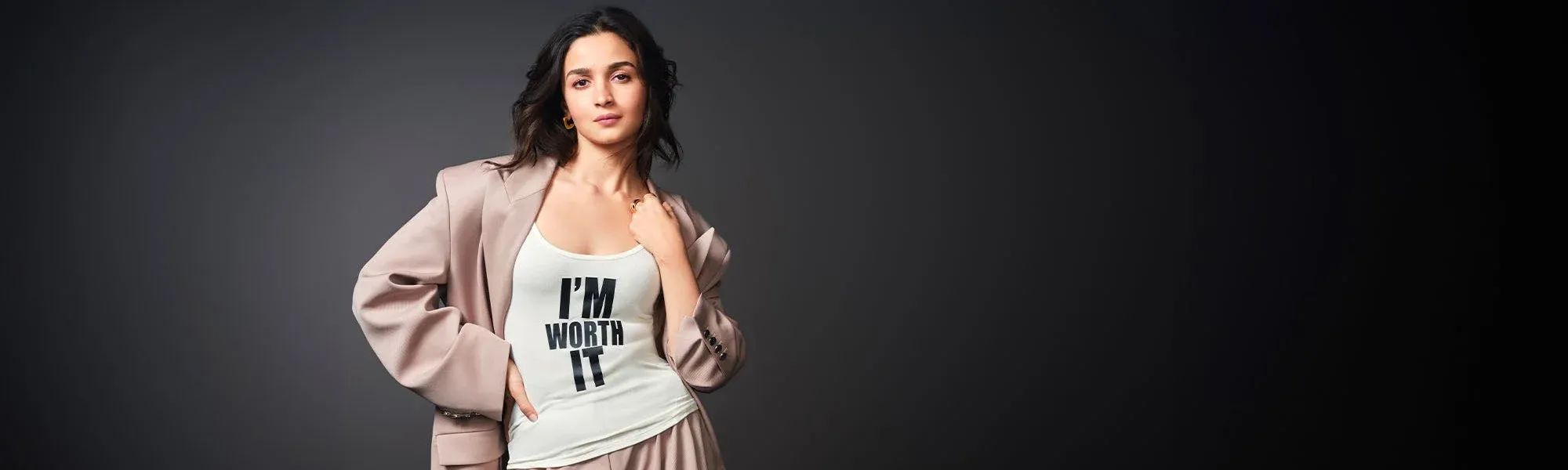
2.E-commerce & Retail Marketing
L’Oréal ensures that discovery and purchase are closely connected.
Strong presence on Nykaa, Amazon, and brand-owned websites
In-store promotions, testers, and visual merchandising.
Online-exclusive launches and offers.
L’Oréal’s commitment to accessible beauty is further evidenced by the Marketing Strategy of Garnier, which focuses heavily on natural ingredients.
3.Traditional & Mass Media
Despite its strong digital presence, L’Oréal continues to invest in traditional media.
Television Commercials: L’Oréal regularly runs TV ads featuring its global brand ambassadors like Aishwarya Rai Bachchan and Eva Longoria, especially during prime-time shows and major events to build mass awareness.
Print Advertising: The brand appears consistently in leading fashion and beauty magazines such as Vogue, Elle, Harper’s Bazaar, and Femina, reinforcing its premium and aspirational image.
Outdoor Advertising: Large-format billboards and hoardings in high-traffic urban areas, airports, and malls promote new product launches and hero ranges.
In-Store Marketing: L’Oréal invests heavily in retail visibility through branded shelves, testers, posters, standees, and point-of-sale displays inside supermarkets, pharmacies, and beauty stores.
Salon Marketing: Through its professional range, L’Oréal partners with salons using posters, mirror stickers, stylist recommendations, and branded tools to influence purchase decisions at the point of service.
Event Sponsorships: L’Oréal has a long-standing association with major fashion and beauty events, including fashion weeks and award shows, which strengthens brand credibility and visibility.
4.Performance & SEO
PERFORMANCE MARKETING
AI & Automation: Leverages AI tools (like Performance Max, Broad Match) to find new demand, adapt to user intent, and manage campaigns efficiently, reducing costs while scaling.
Data-Driven Ads: Uses vast consumer data for personalization, tailoring ad creatives and messages to different audiences and driving strong ROI, even during mega-sales.
Intent Matching: Quickly serves relevant ads as users search, matching the speed of beauty trends and product discovery.
Examples: Saw 4x higher return on ad spend during sales, using automation to reach more people efficiently.
SEO
Global Scale & Reporting: Manages SEO across hundreds of domains, tracking performance, detecting geographic cannibalization, and reconciling data.
Holistic Optimization: Focuses on keyword research, content, technical SEO, and link building for visibility.
5.Purpose-Driven & Community Marketing
L'Oreal has also been active in promoting sustainability and eco-friendliness in its marketing campaigns. In 2025, the brand advanced its "L'Oreal for the Future" program with a €100 million Sustainable Innovation Accelerator, focusing on climate, nature, and circularity solutions.
The campaign highlighted L'Oreal's efforts to reduce carbon emissions, use sustainable packaging, and promote eco-friendly practices in the beauty industry.
The initiative selected 13 startups to scale green technologies, showing real commitment to social responsibility and sustainability.
Results & Impact
L’Oréal’s marketing strategy has delivered strong and visible results over the years.
- The brand’s full-year 2025 sales reached €44.05 billion, showing 4.0% like-for-like growth, while Q1 2026 sales touched €11.24 billion with a 9.4% like-for-like increase.
- L’Oréal India has also shown strong momentum, with the company aiming to double its business through new strategies and investments.
- On the digital front, L’Oréal has become the #1 beauty brand on social media, backed by massive global followers and high engagement.
- E-commerce now contributes more than 30% of total sales, making it the fastest-growing channel for the brand.
- Influencer campaigns continue to perform well, generating engagement rates above industry standards, especially on platforms like TikTok and Instagram.
Overall, L’Oréal continues to win both in terms of brand love and business growth.
What Worked & Why
From a marketing perspective, what has worked best for L’Oréal is its balanced and layered approach.
- The brand doesn’t rely on just one strategy it combines science-backed credibility with emotional storytelling, which helps build trust while keeping the brand aspirational.
- Influencer and creator marketing has played a major role in this success. Instead of depending only on celebrities, L’Oréal collaborates with dermatologists, beauty experts, and everyday creators.
- This makes product recommendations feel more real, relatable, and trustworthy. Its strong omnichannel presence is another key strength.
- Whether it’s social media, traditional advertising, e-commerce platforms, or retail stores, the brand stays visible at every consumer touchpoint and makes product discovery and purchase easy.
- L’Oréal also focuses heavily on education-led content. By helping consumers understand how products work and how to use them, the brand reduces hesitation and builds long-term loyalty.
- In simple terms, L’Oréal succeeds because it balances emotion and logic. It connects with people emotionally while also solving real beauty needs.
In summary, L’Oréal’s marketing works because it brings together trusted influencers, advanced technology, consistent messaging, and cultural understanding. This combination helps the brand stay relevant, drive conversions, and maintain its leadership position globally.
L’Oréal doesn’t just follow trends it shapes them.
What Didn’t Work & Why
At the same time, not everything has worked perfectly for L’Oréal. In a highly competitive beauty industry, newer brands like Fenty Beauty, The Ordinary, and Glossier have sometimes felt more authentic and disruptive, especially for Gen Z audiences.
- These challenger brands gained attention through minimalist branding, transparent ingredient communication, and strong community-driven storytelling.
- In comparison, some of L’Oréal’s campaigns have occasionally felt overly polished or corporate, which made it harder to connect with younger consumers seeking raw authenticity.
- Heavy reliance on influencer marketing has also created challenges at times.
- When collaborations feel forced or not aligned with brand values, it can impact credibility and lead to trust issues among more aware consumers.
- In markets like India, although the brand is growing, market share gains haven’t always matched expectations, leading to strategy resets and adjustments.
These gaps highlight an important insight while L’Oréal’s scale, visibility, and brand power are major strengths, areas like agility, authenticity, and sharper value communication are where newer competitors have sometimes performed better.
Want to Know Why 50,00,00+ Students Trust Us?
Dive into the numbers that make us the #1 choice for career success


MBA - Level
Post Graduate in Digital Marketing & Business Strategy

Best For
Fresh Graduates

Mode of Learning
On Campus (Mumbai & Delhi)

Starts from
Nov 27, 2026

Duration
11 Months
Live & Online
Advanced Online Digital Marketing Course
Best For
Working Professionals
Mode of Learning
Online
Starts from
Nov 2, 2026
Duration
4-6 Months

Offline
Top AI Courses to Make You Future Ready!
Best For
AI Enthusiasts
Mode of Learning
2–5 Month Program
Starts from
Nov 23, 2026
Duration
Flexiable
Offline
Undergraduate Program in Digital Business & Entrepreneurship
Best For
12th Passouts
Mode of Learning
On Campus (Mumbai)
Duration
3 Years
Offline
Degree In 2026 ≠ Enough Degree + Digital Skills = Future-Ready
Best For
12th Passouts
Mode of Learning
At IIDE Campus
Duration
3 Years
Recent Post
You May Also Like

Lead Trainer & Business Development Head at IIDE
Aditya Shastri leads the Business Development segment at IIDE and is a seasoned Content Marketing expert. With over a decade of experience, Aditya has trained more than 20,000 students and professionals in digital marketing, collaborating with prestigious institutions and corporations such as Jet Airways, Godrej Professionals, Pfizer, Mahindra Group, Publicis Worldwide, and many others. His ability to simplify complex marketing concepts, combined with his engaging teaching style, has earned him widespread admiration from students and professionals alike.
Aditya has spearheaded IIDE’s B2B growth, forging partnerships with over 40 higher education institutions across India to upskill students in digital marketing and business skills. As a visiting faculty member at top institutions like IIT Bhilai, Mithibai College, Amity University, and SRCC, he continues to influence the next generation of marketers.
Apart from his marketing expertise, Aditya is also a spiritual speaker, often traveling internationally to share insights on spirituality. His unique blend of digital marketing proficiency and spiritual wisdom makes him a highly respected figure in both fields.