
Students Centric
Placements Report
Trackable results, real numbers
Reviews
Proven success, real voices
Trainers
Expert-led, Industry-Driven Training
Life at IIDE
Vibrant Spirit student life
Alumni
Successful Journeys, Inspiring Stories
Learning Centre
Webinars
Blogs
Case studies
Live, Interactive Masterclasses
Fresh Insights, quick reads
Real-life, Industry relevant
More
Hire from us
Hire Top Digital Marketing Talent
Work with us
Join Our Team, Make an Impact
Customised Training
Personalised digital marketing training for your company
Refer & earn
Simple, easy rewards
Contact us
Get the answers you need
About us
Know more about IIDE
Explore all course options

FOR FRESH GRADUATES
Post Graduation Program in Digital Marketing & Business Strategy- Ideal for Age: 20–25 Years

Can’t decide? Explore all our
Digital Marketing Courses
COMPARE BOTH OUR PROGRAMSOffline
Explore Top AI CoursesIndustry-Aligned TRACKMost Popular
UG Program in Digital Business & Entrepreneurship- Ideal for 12th Pass out / FY Degree Student

PARTNER PROGRAMS





Can’t decide? Explore all
BBA In Digital Marketing Colleges
Orginally Written by Aditya Shastri
Updated on Feb 12, 2026
Share on:


Emirates’ 2026 plan focuses on a global lifestyle rather than just selling plane tickets. They stopped using boring ads and now share real, exciting stories on TikTok to connect with people. By using their own flight crews and famous partners, they make luxury travel feel personal and friendly.
Special events and rewards turn everyday passengers into a loyal community of fans. This focus on people makes Emirates the top choice for high-end travel. Just like a fitness club, they sell a feeling of belonging instead of just a ride.
About Emirates Airlines
Founded in 1985 and based in Dubai, Emirates is the largest airline in the Middle East and a global leader in luxury aviation. It operates a modern fleet of over 250 wide-body aircraft, including the iconic Airbus A380 and Boeing 777, connecting passengers to more than 150 destinations across six continents.
As a state-owned flag carrier, it plays a vital role in Dubai’s economy by using a hub-and-spoke model that links major cities worldwide through Dubai International Airport. The airline is famous for industry-leading innovations like private First Class suites, onboard showers, and the award-winning ice entertainment system.
With a diverse workforce of over 160 nationalities, Emirates focuses on delivering premium service and high-end hospitality to millions of travelers each year.

Is Digital Marketing the Right Career for You?
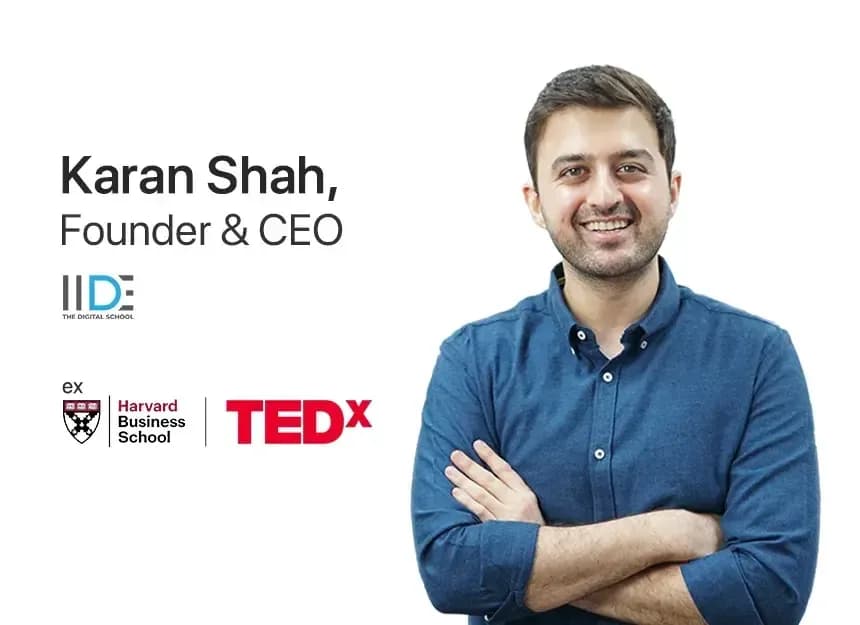
Find out in a free 45-min masterclass · Career paths, roles and growth explained · By Karan Shah, Founder & CEO, IIDE

Is Digital Marketing the Right Career for You?
Find out in a free 45-min masterclass · Career paths, roles and growth explained · By Karan Shah, Founder & CEO, IIDE
Emirates Airlines Marketing Objective & Business Challenges 2026
In 2026, Emirates Airlines aims to move beyond traditional travel by positioning itself as a global lifestyle brand that connects a premium, experience-driven community through its Fly Better promise. Their primary marketing objectives include expanding their footprint in high-growth markets like Africa and Asia.
This would help scaling their new Premium Economy class to capture mid-tier luxury travelers, and deepening customer loyalty through AI-driven personalization and digital transformation.
However, the airline faces significant business challenges, such as volatile jet fuel prices which account for 30% of operating costs, and persistent global supply chain disruptions that delay aircraft deliveries and cabin retrofits.
Additionally, Emirates must navigate intense regional competition and increasingly strict international sustainability mandates, requiring heavy investment in Sustainable Aviation Fuel (SAF) and green technologies to maintain its leadership in a more conscious travel era.
Buyers Persona:

Akshay Chaturvedi
Delhi
Occupation: Entrepreneur
Age: 34 years
Motivation
Interest & Hobbies
Pain Points
Social Media Presence
Insights on Marketing Channels Used by Emirates Airlines
To reach a global audience, Emirates uses an omnichannel approach that ensures a consistent premium feel across every touchpoint. In 2026, their strategy has shifted from simply showing airplanes to sharing lifestyle stories that connect with people on an emotional level.
By blending high-budget physical branding with modern digital storytelling, they stay top-of-mind for both business and leisure travelers. The marketing strategies of Emirates are divided into the following areas:
1. Global Presence & Branding
- Sports Sponsorships: Emirates spends millions to put its name on the jerseys of world-class football teams like Real Madrid and Arsenal. This connects the brand to the passion and loyalty of millions of sports fans.
- Major Event Partnerships: They sponsor prestigious global events in tennis (ATP Tour), golf, and even the arts. This reinforces their image as a supporter of excellence and high-end culture.
- Iconic Outdoor Advertising: From massive billboards in major world cities to viral stunts, like a cabin crew member standing on top of the Burj Khalifa, Emirates uses "spectacle marketing" to grab global attention.
2. Digital & Social Media Strategy
- Platform-Native Content: Instead of reusing TV ads, Emirates creates specific content for TikTok and Instagram. They use high-quality video and trending styles to show the behind-the-scenes life of their crew and the luxury of their cabins.
- Influencer & Ambassador Collaborations: The airline works with global stars and travel influencers to share real experiences. These partners help make the expensive First Class dream feel more reachable and relatable to younger audiences.
- Search Engine Optimization (SEO) & SEM: Emirates invests heavily in appearing first when people search for luxury flights or best international airlines, ensuring they capture travelers at the exact moment they are ready to book.
3. Direct Customer Connection
- The Emirates App: This is a one-stop-shop for passengers. It uses AI to send personalized offers, meal reminders, and even wayfinding maps to help travelers navigate the airport in Dubai.
- Email & Loyalty Marketing: Through the Skywards program, Emirates sends tailored emails with flight deals and partner rewards. In 2026, these messages are hyper-personalized based on a traveler’s past habits and preferences.
- Physical Ground Experiences: Marketing does not stop at the airport gate. The premium lounges and chauffeur-drive services act as physical advertisements for the comfort and care the brand provides.
Discover how the marketing strategy of IndiGo dominates the skies by focusing on three simple promises: low fares, on-time performance, and a hassle-free experience.
4. Business & Industry (B2B) Partnerships
- Corporate Travel Rewards: They have a specific program called Business Rewards for small and medium businesses. This markets directly to company owners by offering points for business trips.
- MICE Marketing: Emirates has a dedicated team for Meetings, Incentives, Conferences, and Exhibitions (MICE). They partner with event planners to make Emirates the official airline for major world summits.
- Global Cargo Branding: Through Emirates SkyCentral, they market to global businesses that need to move goods, positioning the airline as a vital partner in the global supply chain.
5. Strategic Experience & Exclusive Access
- Skywards Exclusives: This is a unique channel where they don’t sell flights, but "money-can’t-buy" experiences. Members can use miles to sit in the Emirates VIP box at a Real Madrid match or get front-row seats at a concert.
- Chauffeur-Drive Service: This acts as a physical marketing tool. Seeing a luxury Emirates-branded car in a city like London or New York reminds high-end travelers of the door-to-door comfort the brand provides.
- Product Placement in IFE: Their inflight entertainment system (ice) is a marketing channel itself. They partner with brands to show luxury shopping ads or destination documentaries to a captive audience for 10+ hours.
6. Public Relations & "Spectacle" Marketing
- Government & Tourism Boards: Emirates works closely with Dubai Tourism to market Dubai as a destination. When you see an ad for Dubai, Emirates is often behind the scenes making it happen.
- Crisis & Reputation Management: They use PR to stay in the news for the right reasons, such as flying humanitarian aid or announcing big investments in sustainable fuel. This builds trust, which is a key part of their brand marketing.
- Thought Leadership: Senior leaders from the airline often speak at major tech and travel shows. This markets the airline as an innovator and a leader in the future of flight.
What were the Results & Impact Caused?
- Unmatched Profitability: Emirates is officially the world most profitable airline for the 2025-2026 period, reporting a record half-year profit of 3.1 billion dollars.
- Massive Global Reach: The airline carried over 55.6 million passengers in the last year, connecting travelers across 153 airports in 81 countries.
- Dominant Brand Recognition: High-impact sports deals, including major renewals with Real Madrid and the ATP Tour through 2030, keep the brand visible to billions of fans.
- High Premium Demand: Revenues rose by 6% because travelers showed a strong preference for high-end cabins, proving the success of their luxury positioning.
- Loyalty and Trust: The Skywards program reached a milestone of 37 million members across 190 countries, with 78,000 new users joining every single week.
- Social and Digital Influence: Viral campaigns and a focus on crew-led storytelling have made Emirates the top travel brand on social media platforms like TikTok.
- Modern Fleet Appeal: The 5 billion dollar investment in refreshing aircraft interiors has kept customer satisfaction high, maintaining an average seat factor of nearly 80%.
- Economic Leadership: Through its hub-and-spoke model, the airline helped Dubai International Airport remain the top destination for international talent and tourism.
Explore how the marketing strategy of Air India is reclaiming its global glory by blending its legendary hospitality with a bold, modern identity to show the world that change is in the air.
What Worked & Why?
- The Lifestyle Branding Shift: Emirates successfully moved from being a transport company to a global lifestyle brand. By using high-profile ambassadors like Penélope Cruz and crew creators on TikTok, they built an emotional connection with travelers that feels more personal than traditional ads.
- The Premium Economy Bet: Introducing Premium Economy was a major success. It captured a large segment of travelers who wanted more comfort than Economy but could not afford Business Class, leading to a significant rise in revenue.
- Massive Sports Sponsorships: Long-term deals with teams like Real Madrid and Arsenal have made the Emirates logo one of the most recognized in the world. This works because it links the brand to the global passion for sports, ensuring people think of Emirates even when they aren't planning a trip.
- The Dubai Hub Advantage: Using Dubai as a central point to connect the East and West remains their strongest move. It allows them to offer shorter total travel times and a world-class airport experience that other regions struggle to match.
- In-Flight Innovation: Continuous investment in the ice entertainment system and onboard luxury keeps them winning awards. These features act as free marketing when passengers share their high-end experiences on social media.
What Didn't Work & Why?
- Sustainability Pressure: Relying heavily on massive, fuel-hungry planes like the Airbus A380 has become a marketing challenge. With global rules on carbon emissions getting stricter in 2026, the brand faces criticism from eco-conscious travelers for not moving fast enough toward a greener fleet.
- Rigid Customer Policies: While the brand is luxury, some customers find their policies, like flight change fees or loyalty program rules - too strict. Compared to more flexible rivals, this "one-size-fits-all" approach has led to some loss in customer satisfaction.
- High Price Perception: Their focus on premium pricing means they often lose out on the budget-conscious market. In a shifting economy, travelers sometimes choose cheaper regional competitors who offer a good enough experience for a much lower price.
- Aircraft Delivery Delays: Supply chain issues have delayed the arrival of new, more efficient planes. This has forced Emirates to spend billions on fixing up older aircraft, which can be less efficient and harder to market as cutting edge.
- Geopolitical Sensitivity: Because they rely so much on global connections, any political conflict or travel ban in the regions they serve can cause an instant drop in bookings. This makes their business model more vulnerable to world events than smaller, regional airlines.
IIDE Student Recommendations: Key Areas for Improvement
While they are already leaders, here is where Emirates can fill the gaps and seize the opportunities to improve in 2026:
1. Close the Personalization Gap
- Hyper-Personalized Retargeting: Use AI to move beyond basic email reminders. If a user spends time looking at A380 suites but does not book, they should receive a personalized video tour of that exact cabin via social ads to push them toward the dream purchase.
- Unified Customer Data: Although they have great data, it sometimes feels fragmented. They should create a single digital identity for every passenger that tracks preferences across the app, website, and in-flight, ensuring a meal or seat preference is automatically remembered without being asked.
2. Modernize the Loyalty Experience
- Gamification of Skywards: The current loyalty program is great but can feel traditional. Emirates should introduce streaks or digital badges for frequent flyers and offer micro-rewards for smaller actions, like using the app for check-in or engaging with sustainability content.
- Social Loyalty: Allow users to earn social miles for sharing high-quality, branded content of their journey on TikTok or Instagram. This turns every passenger into a micro-influencer for the brand.
3. Strengthen Green Marketing Authenticity
- Transparency Dashboards: Eco-conscious travelers (Gen Z and Millennials) want more than just carbon offset checkboxes. Emirates should show a real-time Green Score for each flight in the booking process, detailing the SAF (Sustainable Aviation Fuel) usage or plastic reduction on that specific route.
- Sustainable Travel Incentives: Reward passengers with Skywards miles for choosing lighter baggage or opting out of single-use items during the flight.
Uncover how the marketing strategy of Kingfisher redefined Indian aviation through the lens of luxury, turning air travel into a high-glamour lifestyle experience under the iconic Fly the Good Times promise.
4. Enhance the Middle-Market Digital Strategy
- Premium Economy Push: Since this is a newer class, they should use targeted SEO and PPC campaigns to capture the "splurge-worthy" traveler. Many people don't know the huge difference between Economy and Premium Economy yet; high-quality comparison ads on YouTube would fill this gap.
- Price Transparency Tools: While they are a premium brand, they could benefit from a Best Value calendar tool on their site that helps flexible travelers find the most affordable time to fly the Emirates experience.
5. Leverage Emerging Tech (Web3 & VR)
- Virtual Lounge Tours: Before booking a Business Class ticket, let users walk through the lounge or the cabin using VR on their phones. This reduces buyer’s hesitation for high-ticket purchases.
- Digital Collectibles (NFTs): Issue limited-edition digital art or boarding passes for iconic inaugural flights. These can act as status symbols for the globalista community and hold future value or perks.
To Sum Everything Up
Emirates Airlines has successfully moved beyond being a traditional carrier to become a dominant global lifestyle brand. By combining iconic luxury with a modern, community-first digital strategy, the airline has reached record-breaking profitability and massive brand recognition.
Their focus on cinematic storytelling, strategic sports partnerships, and a world-class travel hub in Dubai ensures they remain the top choice for premium travelers. While challenges like sustainability and rising competition exist, Emirates continues to lead through innovation and an emotional connection with its audience.
Ultimately, the Fly Better promise has transformed from a simple slogan into a global standard for excellence, proving that a brand built on belonging and luxury can truly conquer the skies.
Want to Know Why 2,50,000+ Students Trust Us?
Dive into the numbers that make us the #1 choice for career success


MBA - Level
Post Graduate in Digital Marketing & Business Strategy

Best For
Fresh Graduates

Mode of Learning
On Campus (Mumbai & Delhi)

Starts from
Oct 1, 2026

Duration
11 Months

Live & Online
Advanced Online Digital Marketing Course
Best For
Working Professionals
Mode of Learning
Online
Starts from
-
Duration
4-6 Months

Offline
Top AI Courses to Make You Future Ready!
Best For
AI Enthusiasts
Mode of Learning
2–5 Month Program
Starts from
Sep 29, 2026
Duration
Flexiable

On Campus
Advanced Certification in Artificial Intelligence
Best For
AI Enthusiasts
Mode of Learning
On Campus (Mumbai)
Starts from
Sep 29, 2026
Duration
3 Months
Offline
Undergraduate Program in Digital Business & Entrepreneurship
Best For
12th Passouts
Mode of Learning
On Campus (Mumbai)
Starts from
-
Duration
3 Years
Offline
Degree In 2026 ≠ Enough Degree + Digital Skills = Future-Ready
Best For
12th Passouts
Mode of Learning
At IIDE Campus
Starts from
-
Duration
3 Years
Recent Post
You May Also Like
It depends on your fare. First Class, Business Class, and Premium Economy usually include free seat selection. For Economy, "Flex" and "Flex Plus" fares are free, but "Special" and "Saver" fares may require a small fee unless you wait until 48 hours before the flight.
Yes, if seats are available, you can often pay for a Last Minute Upgrade at the check-in desk or even on the plane.
Premium Economy offers much more legroom, wider seats with calf rests, and an upgraded dining experience served on chinaware. It is a middle ground for those who want comfort without the Business Class price.
Yes, you can use your miles to book a Classic Reward ticket for friends or family members, even if you are not traveling with them.
Yes, you can bring your own snacks, but remember that you cannot bring liquids (like soup or large water bottles) through airport security.
Yes, in Dubai, you can pay for a service where agents come to your home/hotel, weigh your bags, and give you your boarding pass. You then go straight to immigration at the airport.
By 2026, most flights offer free Unlimited Chat (WhatsApp/iMessage) for all Skywards members. Full high-speed internet is free for Business/First Class and Platinum Skywards members. Others can pay a small fee (approx. $10-$20).
'ice' is Emirates’ award-winning entertainment system. It stands for Information, Communication, and Entertainment. It has over 6,500 channels of movies, TV shows, and live sports.
Yes, through the Dubai Connect service. If your connection time is between 8 and 24 hours, Emirates may provide a free hotel stay, transport, and meals (terms apply based on ticket price).

Lead Trainer & Business Development Head at IIDE
Aditya Shastri leads the Business Development segment at IIDE and is a seasoned Content Marketing expert. With over a decade of experience, Aditya has trained more than 20,000 students and professionals in digital marketing, collaborating with prestigious institutions and corporations such as Jet Airways, Godrej Professionals, Pfizer, Mahindra Group, Publicis Worldwide, and many others. His ability to simplify complex marketing concepts, combined with his engaging teaching style, has earned him widespread admiration from students and professionals alike.
Aditya has spearheaded IIDE’s B2B growth, forging partnerships with over 40 higher education institutions across India to upskill students in digital marketing and business skills. As a visiting faculty member at top institutions like IIT Bhilai, Mithibai College, Amity University, and SRCC, he continues to influence the next generation of marketers.
Apart from his marketing expertise, Aditya is also a spiritual speaker, often traveling internationally to share insights on spirituality. His unique blend of digital marketing proficiency and spiritual wisdom makes him a highly respected figure in both fields.