
Students Centric
Placements Report
Trackable results, real numbers
Reviews
Proven success, real voices
Trainers
Expert-led, Industry-Driven Training
Life at IIDE
Vibrant Spirit student life
Alumni
Successful Journeys, Inspiring Stories
Learning Centre
Webinars
Blogs
Case studies
Live, Interactive Masterclasses
Fresh Insights, quick reads
Real-life, Industry relevant
More
Hire from us
Hire Top Digital Marketing Talent
Work with us
Join Our Team, Make an Impact
Customised Training
Personalised digital marketing training for your company
Refer & earn
Simple, easy rewards
Contact us
Get the answers you need
About us
Know more about IIDE
Explore all course options

FOR FRESH GRADUATES
Post Graduation Program in Digital Marketing & Business Strategy- Ideal for Age: 20–25 Years

Can’t decide? Explore all our
Digital Marketing Courses
COMPARE BOTH OUR PROGRAMSOffline
Offline AI Courses with Dual CertificationsIndustry-Aligned TRACKMost Popular
UG Program in Digital Business & Entrepreneurship- Ideal for 12th Pass out / FY Degree Student

PARTNER PROGRAMS






Can’t decide? Explore all
BBA In Digital Marketing Colleges

Orginally Written by Aditya Shastri
Updated on Feb 18, 2026
Share on:


NIVEA continues to lead the global skincare market through innovation, digital marketing, and mass accessibility. With €5.6 billion in sales and strong growth, the brand focuses on democratizing advanced skincare science while maintaining affordability and trust.
It's 2026 strategy blends social commerce, influencer marketing, e-commerce optimization, traditional media, and Gen Z-focused experiences. Operating in 200+ countries, NIVEA shows how a heritage brand can thrive in a digital-first world without losing its core values of dermatological care and everyday skincare.
Operating in 200+ countries and delivering strong category growth, NIVEA demonstrates how legacy skincare brands can succeed in a digital-first landscape while staying rooted in dermatological trust, affordability, and everyday skincare care.
The comprehensive research and initial analysis for this case study was conducted by Devanshi Gandhi, currently enrolled in IIDE's Post Graduate Program in Digital Marketing (May 2025 Batch).
If you found this analysis helpful, consider reaching out to Devanshi Gandhi with your appreciation positive feedback truly motivates emerging marketing professionals pursuing excellence in strategic brand management.
About Nivea
NIVEA's remarkable journey began in 1911 when Beiersdorf, a German pharmaceutical company founded in 1882, introduced NIVEA Creme one of the world's first stable oil-and-water emulsion skincare products. The distinctive blue tin with white lettering became instantly iconic, representing simplicity, gentleness, and scientifically-backed care.
What originated as a single revolutionary product has evolved into a comprehensive skincare empire spanning body care, face care, sun protection, deodorants, lip care, and the tremendously successful NIVEA Men grooming range.
Today, NIVEA operates as a global skincare leader with distribution across more than 200 countries, holding top-three market positions in over 20 nations. The brand commands approximately 15% of the global skincare market, making it the world's number one skincare brand by volume and recognition.
Parent company Beiersdorf reported record sales of €9.9 billion in 2024, with NIVEA contributing €5.6 billion marking the brand's best performance of the century and surpassing the €5 billion threshold for the first time in its 115-year history.
NIVEA's success stems from strategic adaptation to local market preferences while maintaining unwavering brand consistency. In India, where the brand entered in 2005, NIVEA established strong market equity through affordable pricing, extensive retail distribution, and climate-adapted formulations.
The brand's marketing vision centers on democratizing quality skincare-making dermatologically-tested, scientifically-advanced products accessible regardless of economic background.
In 2026 , NIVEA continues pioneering breakthrough innovations like epigenetic anti-aging serums while preserving the trust equity built over more than a century of consumer relationships.

Is Digital Marketing the Right Career for You?
Find out in a free 45-min masterclass · Career paths, roles and growth explained · By Karan Shah, Founder & CEO, IIDE

Is Digital Marketing the Right Career for You?
Find out in a free 45-min masterclass · Career paths, roles and growth explained · By Karan Shah, Founder & CEO, IIDE
Marketing Objective or Business Challenge
Despite commanding significant global market share and unparalleled brand recognition, NIVEA confronted mounting strategic pressures entering 2026 . The skincare landscape transformed dramatically, with digital-native indie brands capturing younger audiences through ingredient transparency, sustainability messaging, clinical efficacy claims, and social-media-native communication styles.
NIVEA's traditional perception reliable yet conservative, associated primarily with winter moisturization risked alienating Millennial and Gen Z consumers who prioritize innovation, scientific credibility, and culturally relevant brand personalities.
Competition intensified from multiple directions: established multinational players like L'Oréal and Unilever's Pond's continued aggressive expansion, while agile direct-to-consumer startups leveraged performance marketing and authentic creator partnerships to build rapid followings.
Consumer expectations evolved dramatically around clean beauty formulations, cruelty-free certifications, sustainable packaging, and transparent ingredient sourcing-adding operational complexity to NIVEA's global supply chains.
During the first half of 2025, NIVEA experienced slower-than-expected growth, prompting Beiersdorf to revise full-year consumer segment projections downward to 3-4% from the initial 4-6% forecast.
The global skincare market decelerated, particularly in the second quarter, forcing NIVEA to accelerate innovation timelines and recalibrate marketing investments.
The core challenge crystallized: modernize brand perception, drive year-round product relevance beyond seasonal spikes, engage digitally-native younger demographics authentically, and maintain scientific leadership-all while protecting the accessible positioning and dermatological trust that differentiate NIVEA in increasingly commoditized categories.
While NIVEA focuses on trusted care, the Marketing Strategy of Dove highlights how competitors leverage emotional storytelling to build similar brand loyalty.
Buyers Persona:

ARUN
Delhi
Occupation: Students ,Working Profession
Age: 18-45 years
Motivation
- Seeks reliable, dermatologically safe skincare for daily use
- Prefers simple routines over multi-step beauty regimens
- Values scientifically backed and clinically tested brands
- Chooses proven results over trend-driven marketing
- Trusts influencer reviews and dermatologist recommendations over celebrity ads
Interest & Hobbies
- Consumes skincare and grooming content on TikTok, Reels, and YouTube Shorts
- Follows lifestyle, wellness, and skincare creators
- Active in beauty communities and product review platforms
- Interested in sustainable, cruelty-free, and ethical skincare brands
Pain Points
- Overwhelmed by complex ingredients and technical terminology
- Concerned about sensitivity, allergies, and product safety
- Budget-conscious but prioritizes quality
- Struggles to identify genuine benefits vs marketing hype
- Frustrated by seasonal products that ignore year-round climate needs
Social Media Presence
- TikTok
- YouTube
Marketing Channels Used by NIVEA
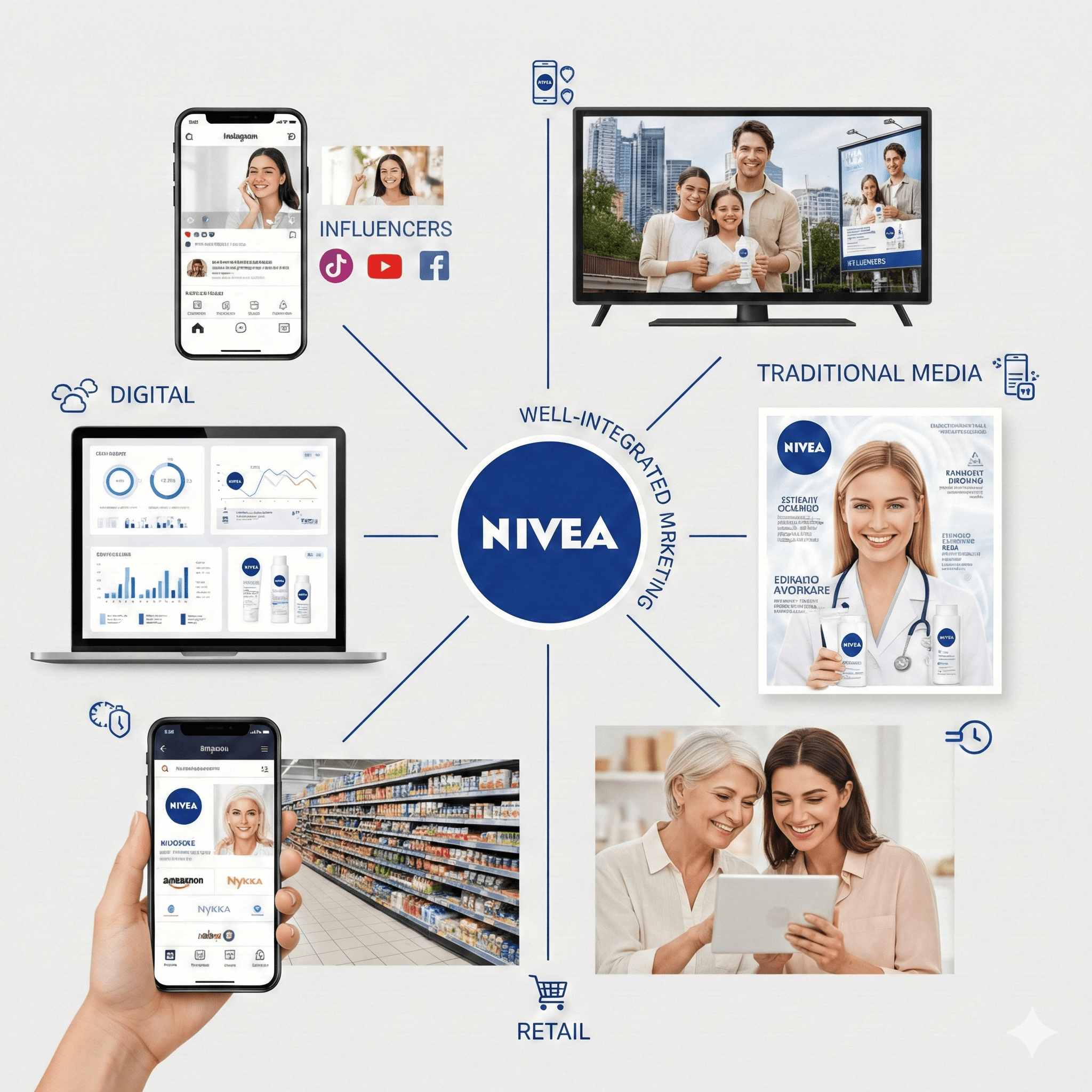
NIVEA follows a well-integrated marketing strategy that combines digital performance channels, influencer collaborations, traditional media, and strong retail distribution to maintain global brand leadership.
On the digital front, the brand invests in:
- Social media marketing across TikTok, Instagram, YouTube, and Facebook to drive engagement and brand discovery
- Short-form video content, skincare education, and daily routine demonstrations to build relevance among younger consumers
- Data-driven digital advertising and campaign storytelling to improve reach and conversions
- To build credibility and trust, NIVEA collaborates with beauty creators, dermatologists, and lifestyle influencers across social platforms. These partnerships help communicate product benefits, share authentic experiences, and strengthen brand authority among skincare-conscious audiences.
NIVEA also benefits from traditional media presence through television advertising, print campaigns, and outdoor media, ensuring mass awareness and strong recall across urban and semi-urban markets.
When it comes to sales, NIVEA maintains a strong omnichannel approach. The brand drives direct conversions through e-commerce platforms like Amazon, Nykaa, Flipkart, and social commerce integrations such as Instagram Shopping and TikTok Shop, while also maintaining a dominant offline presence across supermarkets, pharmacies, and retail chains globally.
This multi-channel marketing strategy enables NIVEA to increase awareness, educate consumers, build trust across generations, and convert engagement into long-term customer loyalty.
The success of NIVEA Men parallels the Marketing Strategy of Gillette, where grooming products are positioned as essential daily tools for men.
NIVEA Marketing Strategy Breakdown
1. Content, Digital & Social Media Strategy
NIVEA focuses heavily on digital-first content to stay relevant among modern skincare consumers while maintaining its trusted legacy positioning.
The brand creates educational, routine-based, and lifestyle-driven content across TikTok, Instagram, YouTube, and Facebook to build everyday relevance rather than aspirational beauty narratives.
Key focus areas include:
- Skincare education (hydration, UV protection, skin barrier health)
- Daily-use routines like morning care, travel essentials, and post-workout skincare
- Short-form videos and creator-native storytelling
Campaigns like the Luminous 630 initiative encouraged user-generated content, duets, and participation, driving strong engagement and brand awareness among Gen Z audiences.
Instagram and TikTok act as major discovery platforms, helping NIVEA remain culturally relevant and visible.
2. Influencer Marketing & Partnerships
NIVEA has evolved from celebrity-led promotions to a balanced mix of creators, dermatologists, and public figures.
The brand collaborates with:
- Beauty and skincare creators
- Lifestyle influencers
- Dermatologists and skin experts
- Select celebrities aligned with brand values
This approach builds authenticity and trust. Influencers demonstrate real product use, explain benefits, and share personal routines, making communication feel relatable rather than promotional.
Strategic partnerships also focus on data-driven creator selection, ensuring alignment with target audiences and improving engagement and ROI.
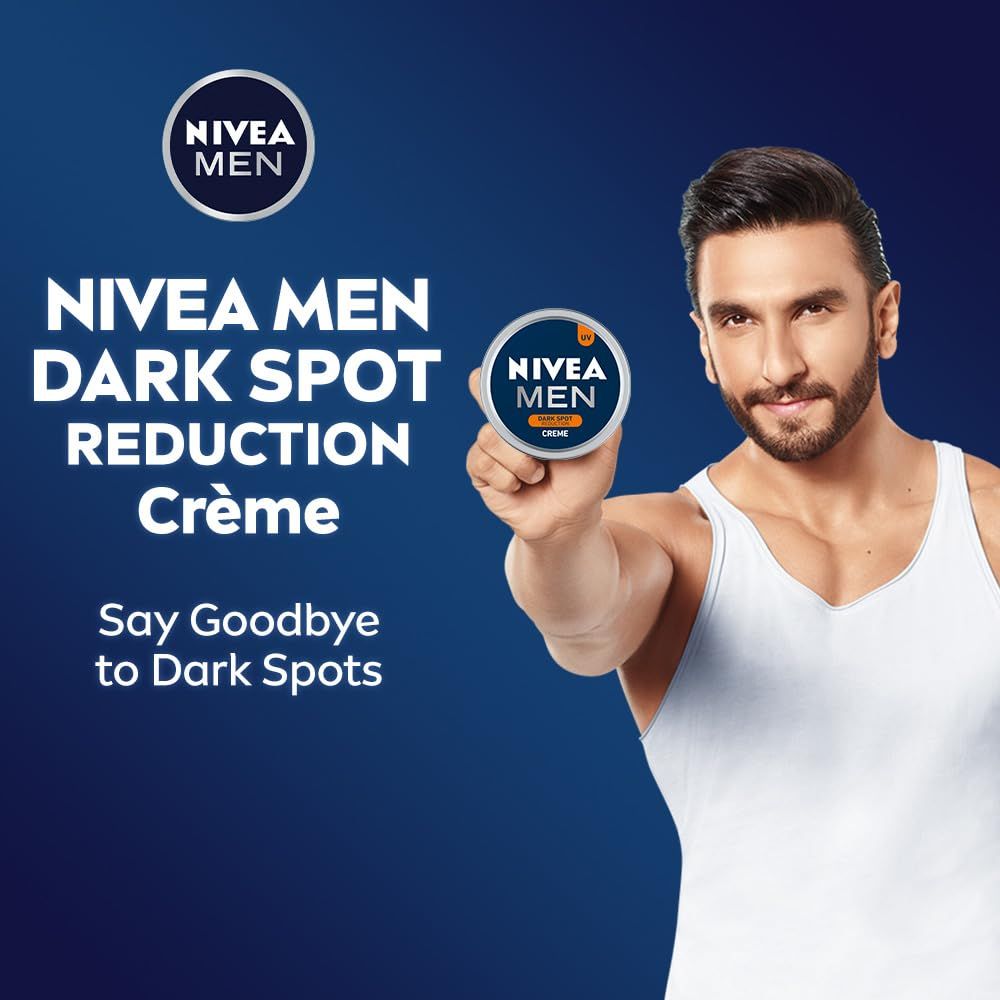
3. Product Innovation as a Marketing Driver
Innovation plays a central role in NIVEA’s strategy, helping the brand stay competitive in a fast-evolving skincare market.
Recent focus areas include:
- Science-led skincare formulations
- Anti-aging and skin repair solutions
- Everyday sun protection and hydration ranges
New product launches are positioned around clinical credibility and practical benefits, supported by research-backed communication and dermatologist validation.
In the mass-market category, the Marketing Strategy of Garnier demonstrates a similar focus on nature-inspired ingredients and global accessibility.
4. Messaging & Brand Voice
NIVEA’s messaging balances emotional connection with scientific credibility.
Core themes across campaigns include:
- Gentle care and trust
- Dermatological safety
- Everyday skincare for all ages
- Affordability and accessibility
The brand voice remains simple, warm, and informative avoiding overly technical jargon while still educating consumers about ingredients and skin benefits.
5. Traditional Media & Mass Reach
Despite digital growth, traditional channels remain crucial for brand recall and scale.
NIVEA invests in:
- Television advertising with family-focused storytelling
- Print and outdoor media for consistent visibility
- Regional campaigns tailored to local audiences
These channels help maintain multi-generational trust and reach beyond digital-first consumers.
6. Social Commerce & Performance Marketing
NIVEA leverages performance-driven digital channels to convert awareness into sales.
Key platforms include:
- TikTok Shop and Instagram Shopping
- Amazon, Nykaa, Flipkart, and other marketplaces
- Data-driven advertising and sales-event campaigns
Shoppable content, optimized product listings, and promotional bundles help reduce friction and improve conversion rates across online channels.
7. Experiential & Cultural Marketing
The brand actively participates in cultural and lifestyle platforms to strengthen emotional connections.
Initiatives include:
- Music festival activations
- Community-driven campaigns
- Retail sampling and in-store experiences
These efforts position NIVEA as part of consumers’ everyday lives rather than just a skincare product.
Results & Impact
NIVEA’s integrated marketing strategy has delivered strong global and digital performance.
- Strong market leadership in global skincare categories
- High engagement across social platforms
- Growth driven by innovation-led product launches
- Expansion among younger audiences while retaining legacy consumers
- Increased e-commerce contribution to total sales
The brand has successfully balanced heritage trust with modern digital relevance.
What Worked & Why
NIVEA’s success is driven by a combination of legacy strength and modern marketing execution.
- Digital-first content helped attract younger audiences
- Influencer and dermatologist partnerships improved credibility
- Innovation repositioned the brand as science-backed and future-ready
- Multi-channel presence ensured both awareness and conversions
- Emotional storytelling maintained strong brand loyalty
This balance allowed NIVEA to evolve without losing its core identity.
What Didn’t Work & Why
Despite strong performance, a few gaps remain:
- Seasonal perception still links the brand more strongly with winter skincare
- Some digital campaigns focus more on emotion than ingredient-led differentiation
- Youth communication is improving but still less disruptive than D2C-native brands
- Global growth momentum fluctuates with market conditions
Addressing these gaps will help NIVEA strengthen year-round usage and deepen engagement with Gen Z consumers.
IIDE Student Recommendations: Key Areas for Brand Improvement
1. Strengthen Ingredient-Led SEO & Education
NIVEA should expand its content strategy around ingredient-led searches and skincare concerns. Targeting keywords like niacinamide for dry skin, sunscreen for humid weather, best moisturizer for sensitive skin, and dermatologist-recommended skincare can attract high-intent users.
Educational blogs, ingredient explainers, and dermatologist-backed videos can improve organic visibility and trust.
2. Break Winter-Only Brand Perception
NIVEA is still strongly associated with winter moisturization. The brand should reposition itself as a year-round skincare solution through campaigns focused on summer hydration, sun protection, pollution defense, and daily skin repair. Climate-specific messaging and seasonal product communication will increase relevance and usage frequency.
3. Adopt Creator-First, Raw Social Content
Gen Z prefers authentic, unfiltered content over polished ads. NIVEA should collaborate more with micro-creators, encourage user-generated skincare routines, and experiment with trend-driven formats across TikTok and Reels. This will improve relatability, engagement, and cultural relevance.
4. Move from Awareness to Daily Routine Integration
Despite strong awareness, NIVEA can grow by positioning products as daily essentials. Routine-based storytelling morning care, post-gym hydration, night repair, and travel skincare will help increase usage frequency and long-term brand loyalty.
5. Build Community-Driven Engagement
NIVEA can strengthen customer relationships by building skincare communities through WhatsApp groups, loyalty programs, dermatologist live sessions, and user-generated challenges. Community-led engagement will improve retention, advocacy, and lifetime customer value.
As consumer demand for ethical beauty grows, the SWOT Analysis of The Body Shop illustrates the challenges and opportunities in sustainable skincare.
6. Expand Social Commerce & Personalisation
Personalized recommendations based on skin type, climate, and purchase behavior can improve conversions. Integrating AI-driven product suggestions, shoppable content, and targeted e-commerce campaigns across Amazon, Nykaa, and Instagram will strengthen performance marketing outcomes.
7. Increase Experiential & Retail Activations
Offline touchpoints such as mall activations, skincare consultations, sampling campaigns, and festival collaborations can reduce purchase hesitation. These experiences help translate awareness into real-world trials and conversions.
Want to Know Why 50,00,00+ Students Trust Us?
Dive into the numbers that make us the #1 choice for career success



MBA - Level
Post Graduate in Digital Marketing & Business Strategy

Best For
Fresh Graduates

Mode of Learning
On Campus (Mumbai & Delhi)

Starts from
Nov 27, 2026

Duration
11 Months

Live & Online
Advanced Online Digital Marketing Course
Best For
Working Professionals
Mode of Learning
Online
Starts from
Nov 2, 2026
Duration
4-6 Months

Offline
Top AI Courses to Make You Future Ready!
Best For
AI Enthusiasts
Mode of Learning
2–5 Month Program
Starts from
Nov 24, 2026
Duration
Flexiable
Offline
Undergraduate Program in Digital Business & Entrepreneurship
Best For
12th Passouts
Mode of Learning
On Campus (Mumbai)
Duration
3 Years

Offline
Degree In 2026 ≠ Enough Degree + Digital Skills = Future-Ready
Best For
12th Passouts
Mode of Learning
At IIDE Campus
Duration
3 Years
Recent Post
You May Also Like

Lead Trainer & Business Development Head at IIDE
Aditya Shastri leads the Business Development segment at IIDE and is a seasoned Content Marketing expert. With over a decade of experience, Aditya has trained more than 20,000 students and professionals in digital marketing, collaborating with prestigious institutions and corporations such as Jet Airways, Godrej Professionals, Pfizer, Mahindra Group, Publicis Worldwide, and many others. His ability to simplify complex marketing concepts, combined with his engaging teaching style, has earned him widespread admiration from students and professionals alike.
Aditya has spearheaded IIDE’s B2B growth, forging partnerships with over 40 higher education institutions across India to upskill students in digital marketing and business skills. As a visiting faculty member at top institutions like IIT Bhilai, Mithibai College, Amity University, and SRCC, he continues to influence the next generation of marketers.
Apart from his marketing expertise, Aditya is also a spiritual speaker, often traveling internationally to share insights on spirituality. His unique blend of digital marketing proficiency and spiritual wisdom makes him a highly respected figure in both fields.