
Students Centric
Placements Report
Trackable results, real numbers
Reviews
Proven success, real voices
Trainers
Expert-led, Industry-Driven Training
Life at IIDE
Vibrant Spirit student life
Alumni
Successful Journeys, Inspiring Stories
Learning Centre
Webinars
Blogs
Case studies
Live, Interactive Masterclasses
Fresh Insights, quick reads
Real-life, Industry relevant
More
Hire from us
Hire Top Digital Marketing Talent
Work with us
Join Our Team, Make an Impact
Customised Training
Personalised digital marketing training for your company
Refer & earn
Simple, easy rewards
Contact us
Get the answers you need
About us
Know more about IIDE
Explore all course options

FOR FRESH GRADUATES
Post Graduation Program in Digital Marketing & Business Strategy- Ideal for Age: 20–25 Years

Can’t decide? Explore all our
Digital Marketing Courses
FOR STUDENTSOn-campus
Advanced Certification in AI
FOR WORKING PROFESSIONALSOnline
Professional Certification in AI StrategyFOR 12TH GRADUATESMost Popular
UG Program in Digital Business & Entrepreneurship- Ideal for Age: 18–19 Years

PARTNER PROGRAMS







Can’t decide? Explore all
BBA In Digital Marketing Colleges
Orginally Written by Aditya Shastri
Updated on Jun 12, 2026
Share on:


About Cadbury
Cadbury is the world's second-largest confectionery brand, founded in 1824 by John Cadbury in Birmingham, England. What started as a small grocery store selling cocoa and chocolate drinks has today grown into a global powerhouse operating in over 150 countries.
In 2010, Cadbury became a subsidiary of Mondelez International one of the world's largest snack companies. In India, Cadbury's journey began in 1948, and today Mondelez India is the dominant player in the country's chocolate market with a market share of over 67%, led by the iconic Cadbury Dairy Milk brand.
Mondelez India operates five manufacturing plants across the country in Thane, Pune, Gwalior, Bangalore, and Baddi and four regional sales offices. The company generated a revenue of ₹12,600 crore in FY2024-25, making India one of Mondelez's most important emerging markets globally.
From Dairy Milk and 5 Star to Oreo and Bournvita, Cadbury's product portfolio touches nearly every Indian household across every age group, income level, and occasion.
To understand how Cadbury plans and executes its campaigns, read the detailed Marketing Strategy of Cadbury.
What’s new with Cadbury
Cadbury's parent company Mondelez International has been investing heavily in India and globally. Here is what's happening with the brand right now:
- Mondelez India is investing ₹1,600 crore in building a new chocolate manufacturing plant in Sri City, Tirupati one of the largest production facilities in the company's global network.
- Mondelez India generated a revenue of ₹12,600 crore for FY2024-25 a strong indicator of how deeply the brand is rooted in Indian households.
- Globally, Mondelez International reported net revenues of approximately $38.5 billion in 2025, with Cadbury Dairy Milk continuing to be one of its strongest performing chocolate brands.
- Mondelez India partnered with Lotus Bakeries to expand the Biscoff cookie brand in India, leveraging Cadbury's existing distribution network across traditional and modern trade.
- Cadbury launched Oreo Zero Sugar as part of a push into the better-for-you snacking segment signalling that the brand is evolving beyond traditional chocolate.
Target Audience of Cadbury
Cadbury does not sell to one type of consumer it sells to almost every Indian. But its core audience can be broken down into five clear segments:
- Children (6–14 years) - Cadbury's original and most loyal audience. Products like Gems, Eclairs, and 5 Star are specifically designed for this segment, with colourful packaging, small price points, and wide availability at school canteens and kirana stores.
- Young Adults (18–30 years) - The primary audience for Dairy Milk Silk and premium variants. This segment drives impulse purchases, gifting occasions like Valentine's Day, and social sharing on platforms like Instagram.
- Parents and Families - Cadbury Celebrations gift boxes target families during Diwali, Raksha Bandhan, and Eid making it the go-to gifting brand for Indian festive occasions.
- Health-Conscious Consumers - A growing segment Cadbury is actively targeting through Bournvita, Oreo Zero Sugar, and better-for-you product innovations.
- Gift Shoppers - Urban consumers who buy premium Cadbury hampers for birthdays, anniversaries, and corporate gifting.
In India specifically, Cadbury's mass-market pricing ensures it reaches both urban shoppers in malls and rural consumers at local kirana stores a rare combination in the FMCG space.
To understand the brand's strengths and weaknesses in reaching these audiences, check out the SWOT Analysis of Cadbury Dairy Milk.
Marketing Mix of Cadbury
The Marketing Mix of Cadbury includes 4Ps (Product, Price, Place, Promotion). There are different marketing strategies like product/service innovation, marketing investment, customer experience, etc. which have helped the brand to grow more.
Wondering how Cadbury uses a marketing mix? Let’s dive right into it.
1. Product Mix of Cadbury
Products are goods and services that a company or individual sells for the purpose of consumption and meeting societal demands.
Cadbury offers a diverse range of goods. They sell a variety of products in different countries, and the decision to sell which product in which nation is dependent on demographic considerations, production costs, demand volatility, and the presence of competitors.
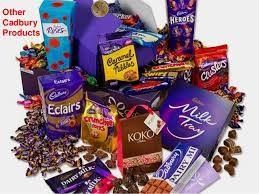
Cadbury’s product mix includes Chocolates, Candies/Gums, Biscuits, Beverages, Dairy Milk, 5 Star, Gems, Temptation, Oreo, Eclairs, Bournvita, and more. They dwell in the confectionery industry.
Bournvita is a beverage additive that is one of the market leaders in milk additives. Halls is widely used in India as a mouth freshener and a cold cure.
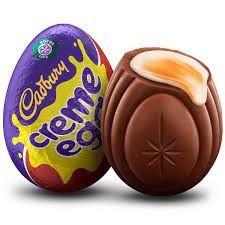
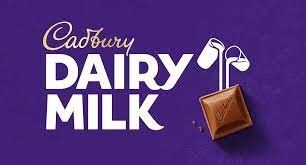
Internationally, they are famously known for their ‘Creme eggs’, an Easter festival delight. They have products such as the classic Dairy Milk that have been running for years but continue to develop new products to meet the various rising tastes.
Cadbury has a lot of standard products sold throughout the year, however, they have other products complimenting festive occasions like Halloween and Christmas, Diwali Raksha Bandhan, and many more.
2. Price Mix of Cadbury
Pricing is an integral part of marketing mix of Cadbury, with the monetary value attached to products playing a central role. Cadbury uses a combination of pricing that takes into account a number of dynamic factors including demand dynamics,
competitive positioning, package specifications, and the specific target audience they are trying to reach.
Pricing Cadbury products is a careful process driven by the interplay of market forces. The demand for a particular product affects its price; popular products are often priced higher due to their desirability, while Cadbury carefully analyzes competitors’ prices to ensure their products remain competitive in the market.
The size of the package also plays a decisive role in prices. Cadbury offers its products in different pack sizes to meet different consumer preferences. The price of smaller packages is cheaper, which caters to cost-conscious consumers.
They follow three distinct pricing strategies:-
- Skimming Pricing: These prices are set high to benefit consumer’s demand for a new product or design at any cost. Oreo cookies, Cadbury Silk, and Cadbury Bournville are some examples of products that are kept at a somewhat higher level than the competition.
- Economy Pricing: Cadbury produces variations of its major goods in order to appeal to a broad audience. Under this segment, we find products such as Dairy Milk, Perk, Five Star, and Eclairs, that are reasonably priced.
- Bundle Pricing: This approach is used to sell a bundle of items at a presumably lesser cost than if the customers bought the items separately. Such a bundle of several products is prominent during the holiday and festival seasons.
3. Place Mix for Cadbury
Cadbury's distribution network in India is one of the strongest in the entire FMCG industry built over 75+ years and now operated by Mondelez India across every corner of the country.
The distribution works through a clear channel structure:
- Manufacturing - Cadbury India operates five manufacturing plants across India in Thane, Induri (Pune), Malanpur (Gwalior), Bangalore, and Baddi (Himachal Pradesh).
- Sales Offices - Four regional sales offices in New Delhi, Mumbai, Kolkata, and Chennai coordinate distribution across the country.
- Distributors & Retailers - Cadbury distributes its products through a network of 2,100 distributors and 450,000 retailers across India.
- Modern Trade - Products are available in all major supermarket chains, hypermarkets, and e-commerce platforms like Amazon, Blinkit, and Zepto.
- Direct Reach - Mondelez India has increased its direct distribution reach and now caters to more than a million retail outlets across the country.
Internationally, Cadbury products are sold in over 200 countries, with Mondelez leveraging its global supply chain to maintain consistent availability across markets.
4. Promotion Mix of Cadbury
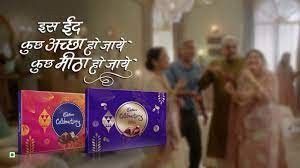
Cadbury's promotion strategy has always been built on one thing - emotion. Not product features, not price comparisons. Just pure, relatable human moments that make you reach for a chocolate bar.
Cadbury uses a mix of channels to stay visible across every touchpoint:
- Television & Mass Media - iconic campaigns like "Kuch Meetha Ho Jaye" have been running for decades, making Dairy Milk synonymous with celebration in Indian households.
- Festive Marketing - Diwali, Raksha Bandhan, and Valentine's Day are Cadbury's biggest promotional windows. The Celebrations gift box has become the default festive gifting choice across India.
- AI-Powered Personalisation - the award-winning "Not Just A Cadbury Ad" campaign used AI and Shah Rukh Khan to create thousands of personalised ads featuring local small business owners - winning a Gold at APAC Effie Awards.
- Digital & Social Media - active presence on Instagram, YouTube, and Facebook with emotionally driven content and moment marketing.
- Influencer Marketing - collaborations with food creators and lifestyle influencers to drive product discovery among younger audiences.
Cadbury doesn't just advertise a product it advertises a feeling. That is why its campaigns stay in people's memory long after they air.
Top Competitors of Cadbury
Cadbury dominates the Indian chocolate market but faces strong competition across categories:
- Mars - global competitor in chocolate bars and confectionery, known for Snickers, Bounty, and M&Ms.
- Nestle - competes directly in chocolate, dairy whiteners, and beverages through brands like KitKat, Milo, and Milkmaid.
- Hershey's - American chocolate brand with growing presence in India's premium chocolate segment.
- Kraft Foods - another major global competitor in the packaged food and confectionery space.
- Lindt - Swiss premium chocolate brand competing in the gifting and luxury chocolate segment in India.
If you are curious how Cadbury's biggest rival stacks up, check out the complete Marketing Mix of Nestle.
This brings us to the end of the case study of the marketing mix of Cadbury. Let us conclude our understanding in the next section.

Learn Digital Marketing for FREE

Buyers Persona:

Raima
Delhi
Occupation: Student
Age: 20 years
Motivation
Interest & Hobbies
Pain Points
Social Media Presence
Conclusion
Cadbury's marketing mix is a masterclass in emotional selling. In a market flooded with chocolate brands, Cadbury has never competed on price alone or product features alone it has always competed on feeling. The result is a brand that has stayed relevant across generations, income levels, and occasions from a ₹10 Éclair at a village kirana store to a Celebrations box at a corporate Diwali party.
What makes Cadbury's 4Ps truly remarkable is how they all work together. Affordable pricing makes the product accessible. A distribution network spanning a million retail outlets makes it available everywhere. Emotionally-driven promotion makes people want it. And a product portfolio that covers every age group and occasion makes it impossible to outgrow.
For any marketer studying FMCG brands, Cadbury is not just a case study in chocolate it is a case study in how to build a brand that becomes part of a culture.
Want to Know Why 2,50,000+ Students Trust Us?
Dive into the numbers that make us the #1 choice for career success



MBA - Level
Post Graduate in Digital Marketing & Business Strategy

Best For
Fresh Graduates

Mode of Learning
On Campus (Mumbai & Delhi)

Starts from
Jun 25, 2026

Duration
11 Months

Live & Online
Advanced Online Digital Marketing Course
Best For
Working Professionals
Mode of Learning
Online
Starts from
Jul 3, 2026
Duration
4-6 Months

Online
Professional Certification in AI Strategy
Best For
AI Enthusiasts
Mode of Learning
Online
Starts from
Jul 21, 2026
Duration
5 Months

On Campus
Advanced Certification in Artificial Intelligence
Best For
AI Enthusiasts
Mode of Learning
On Campus (Mumbai)
Starts from
Jul 20, 2026
Duration
3 Months
Offline
Undergraduate Program in Digital Business & Entrepreneurship
Best For
12th Passouts
Mode of Learning
On Campus (Mumbai)
Starts from
Aug 1, 2026
Duration
3 Years
Recent Post
Cadbury's marketing mix covers 4Ps - Product, Price, Place, and Promotion. Its product range includes 450+ SKUs across chocolate, beverages, and snacks. Pricing ranges from ₹10 impulse packs to premium gifting boxes. Distribution spans 1 million+ retail outlets across India. Promotion is built on emotional advertising campaigns like "Kuch Meetha Ho Jaye."
Cadbury uses a dual pricing strategy in India: penetration pricing for mass-market products like Dairy Milk ₹10 packs and Gems, and skimming pricing for premium variants like Dairy Milk Silk and Bournville. This allows the brand to serve both value-conscious and premium consumers simultaneously.
Cadbury's most iconic campaigns include "Kuch Meetha Ho Jaye," "You Earn It" for Bournville, and the AI-powered "Not Just A Cadbury Ad" Diwali campaign featuring Shah Rukh Khan, which won a Gold at the APAC Effie Awards for personalised advertising at scale.
Cadbury's biggest competitors in India include Nestle (KitKat, Munch), Mars (Snickers, Bounty), Hershey's, and Lindt in the premium segment. Despite strong competition, Cadbury holds over 67% market share in India's chocolate industry.

Lead Trainer & Business Development Head at IIDE
Aditya Shastri leads the Business Development segment at IIDE and is a seasoned Content Marketing expert. With over a decade of experience, Aditya has trained more than 20,000 students and professionals in digital marketing, collaborating with prestigious institutions and corporations such as Jet Airways, Godrej Professionals, Pfizer, Mahindra Group, Publicis Worldwide, and many others. His ability to simplify complex marketing concepts, combined with his engaging teaching style, has earned him widespread admiration from students and professionals alike.
Aditya has spearheaded IIDE’s B2B growth, forging partnerships with over 40 higher education institutions across India to upskill students in digital marketing and business skills. As a visiting faculty member at top institutions like IIT Bhilai, Mithibai College, Amity University, and SRCC, he continues to influence the next generation of marketers.
Apart from his marketing expertise, Aditya is also a spiritual speaker, often traveling internationally to share insights on spirituality. His unique blend of digital marketing proficiency and spiritual wisdom makes him a highly respected figure in both fields.