🚀 Just Launched Our New Undergraduate Program in Digital Business & Entrepreneurship is Here: Explore Now!

Students Centric
Placements Report
Trackable results, real numbers
Reviews
Proven success, real voices
Trainers
Expert-led, Industry-Driven Training
Life at IIDE
Vibrant Spirit student life
Alumni
Successful Journeys, Inspiring Stories
Learning Centre
Webinars
Blogs
Case studies
Live, Interactive Masterclasses
Fresh Insights, quick reads
Real-life, Industry relevant
More
Hire from us
Hire Top Digital Marketing Talent
Work with us
Join Our Team, Make an Impact
Customised Training
Personalised digital marketing training for your company
Refer & earn
Simple, easy rewards
Contact us
Get the answers you need
About us
Know more about IIDE
Explore all course options

FOR FRESH GRADUATES
Post Graduation Program in Digital Marketing & Business Strategy- Ideal for Age: 20–25 Years

Can’t decide? Explore all our
Digital Marketing CoursesTrending

Professional Certification in AI Strategy
- Ideal for AI Enthusiast










Orginally Written by Kartik Mittal
Updated on Mar 30, 2026
|2,783K+ views
Share on:


In 2026, for Science students, elite paths like Commercial Pilot Training, B.Tech (AI & Robotics), and Forensic Science lead the market, while Commerce professionals excel through Chartered Accountancy (CA) and CFA. Arts students are also seeing massive growth in Integrated Law (B.A. LLB) and Culinary Arts. On average, these high-salary courses offer starting packages ranging from ₹5 LPA to ₹12 LPA, with specialized roles like Pilots and CAs often exceeding ₹15 LPA right at the entry level.
What is a Professional Course?
Think of a professional course as a career fast-track. While a regular degree (like a BA or B.Sc.) focuses on broad academic knowledge and theory, a professional course is laser-focused on a specific job role. In 2026, the industry doesn't just ask "What did you study?" but "What can you actually do?".
These courses are designed to answer that by replacing generic lectures with industry-integrated semesters, lab-heavy modules, and mandatory internships that count toward your credits.
Choosing a professional path means you’re essentially training for your first day at work while you're still in college. Whether it’s mastering AI algorithms in Engineering, practicing clinical procedures in Physiotherapy, or handling global auditing standards in CA, the curriculum is built around real-world application.
By the time you graduate, you aren’t just a "degree holder" , but a certified professional ready to command those high-salary packages we talked about.
Navigating the diverse landscape of courses after 12th in 2026 is about more than just a degree; it’s a strategic choice to align your innate interests with high-growth industries.
Explore the 4 Professional Course Category in 2026
In 2026, the landscape of higher education is divided into four distinct pathways, each tailored to different career speeds and industry needs.
1. Professional Degree Courses (3-5 Years)
These are comprehensive, long-term programs like B.Tech (AI & Robotics) or B.Arch that blend deep academic theory with mandatory practical modules. Regulated by national bodies, these degrees are the gold standard for entering specialized fields such as Medicine, Engineering, or Law, offering the highest long-term prestige and pathways to senior management.
2. Vocational & Skill-Based Courses (6 Months - 2 Years)
Designed for speed and immediate employability, vocational programs like Commercial Pilot Training or Medical Lab Technology (MLT) prioritize hands-on training over classroom lectures. These courses are ideal for students who want to master a specific craft and enter the workforce quickly with a high-demand skill set.
3. Professional Certification Programs
Certifications are niche credentials, like Chartered Accountancy (CA) or CFA that validate your expertise against global industry benchmarks. Often pursued alongside a degree or through a specialized institute, these programs act as a "stamp of quality" that can significantly increase your starting salary and professional credibility.
4. Integrated & New-Age Professional Courses
Integrated courses combine two degrees into a single five-year path (e.g., BBA + MBA or B.A. LLB), saving you time and cost while providing a dual-specialization edge. Meanwhile, New-Age courses like Forensic Science or Cybersecurity target 2026’s fastest-growing industries, focusing on digital-first skills where the demand for professionals far outstrips the current supply.
If you are an aspiring marketer, then enrolling in a marketing professional course empowers students to master the art of digital storytelling and data-driven strategy, turning creative passion into a high-demand career right after school.
Choose the Right Professional Course in 2026
Choosing the right path in 2026 isn't just about picking a subject you like; it’s about aligning your personal strengths with a volatile, tech-driven global market. Students are moving away from guesswork and using a more data-driven approach to selection:
- Self-SWOT Analysis: Map your Strengths (e.g., math, writing), Weaknesses, Opportunities (market trends), and Threats (automation risk).
- The "Test Drive" Method: Take a 4-week online micro-credential or certificate in your field of interest before committing to a 4-year degree.
- Check the ROI (Return on Investment): Don't just look at the course fee; look at the debt-to-income ratio. Will your starting salary allow you to pay off any potential student loans within 3 years?
- Consult a 2026 Expert: Use modern career counseling that leverages AI-driven aptitude tests to match your personality with emerging job roles.
Why is it Important?
Your choice after 12th is no longer just a college phase it is a high-stakes financial and professional investment.
- Skill Shelf-Life: In 2026, skills become obsolete faster than ever. Choosing the right course ensures you are learning "durable skills" (critical thinking, leadership) alongside technical ones.
- Immediate Employability: With industries prioritizing "skills-first" hiring, the right professional course makes you billable to an employer from day one.
- Mental Well-being: Aligning your career with your natural aptitude prevents the "mid-degree burnout" that affects nearly 60% of students who choose based on pressure rather than fit.
The Future Impact
The decision you make now will ripple through your career over the next decade.
- Career Agility: A well-chosen professional course provides a "core" expertise while allowing you to pivot into related niches (e.g., a B.Tech in AI can pivot into Health-Tech or FinTech).
- Compounding Salary Growth: Starting with a high-ROI course puts you on a steeper salary trajectory, potentially doubling your income within the first 5 years compared to general degrees.
- Global Mobility: Professional certifications (like ACCA or CFA) or specialized degrees (like B.Tech) often come with international recognition, allowing you to work across borders without retraining.
Common Mistakes to Avoid
Despite the information available, many 2026 graduates still fall into these traps:
- The Salary Illusion: Choosing a course only because a viral post mentioned a high salary. High pay usually comes with high competition or high stress, ensure you can handle the lifestyle.
- The Peer-Pressure: Following your best friend into a stream like Engineering when your actual talent lies in Design or Law.
- Ignoring the Automation Factor: Choosing a role that is highly repetitive and likely to be fully replaced by AI by 2030.
- Forgetting Soft Skills: Focusing so much on technical certifications that you neglect communication, empathy, and adaptability - the very traits that AI cannot replicate.
Our Research: Your Map for Success
We have conducted detailed research keeping the above pointers in mind - evaluating every course on its 2026 market relevance, salary potential, and long-term stability. This guide is designed to cut through the noise and provide you with absolute clarity, helping you make an informed decision that secures your professional future.
Bonus Tip: If you are looking for a career blending creativity and business, we highly recommend IIDE’s Undergraduate Program in Digital Business & Entreprenureship. This new-age professional path turns students into digital-first leaders through hands-on learning and direct industry mentorship.
The Bachelor’s Program That Sets You Apart
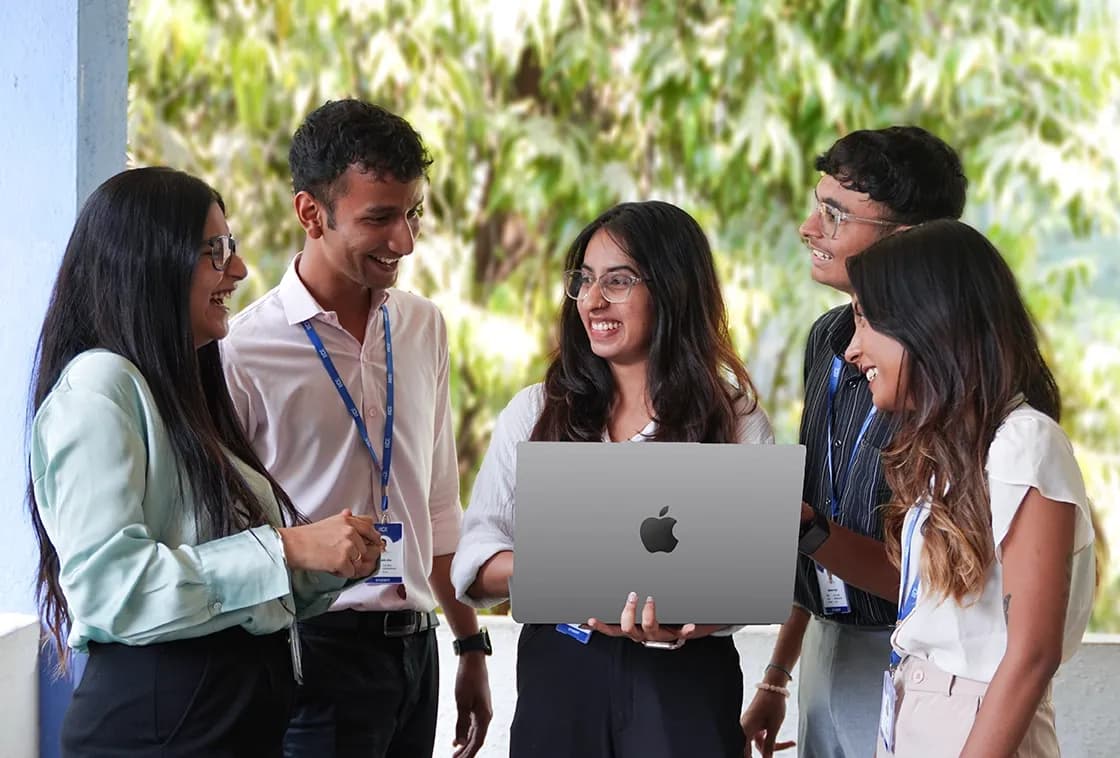

15 Best Professional Courses After 12th with Maximum ROI in 2026
The transition from school to college is no longer just about picking a stream; it’s about choosing an ecosystem. In 2026, the lines between business, technology, and creativity have blurred. To stay ahead, students are looking for degrees that don't just teach theory, but provide the tools to dominate a global, tech-driven market.
While traditional paths still hold value, the shift toward Digital-First careers has created a new gold standard for undergraduate studies. Leading that charge is a course designed for the enthusiasts of the modern economy:
Digital Business
If you have ever wondered how brands like Amazon, Netflix, or Zomato grow so fast, this is the course that pulls back the curtain. A BBA in Digital Business is a modern, tech-heavy version of the traditional management degree. Instead of just learning old-school office management, you learn how to build, run, and scale businesses in an online-first world. In 2026, where every company is a "digital company," this degree is essentially a shortcut to the most exciting roles in the global economy.
Key Subjects in Digital Business
- Digital Marketing & SEO: Mastering how to make brands visible and popular online.
- E-commerce Management: Learning the ins and outs of selling products through digital platforms.
- Data Analytics for Business: Using numbers and trends to make smart, profitable decisions.
- AI & Automation in Business: Understanding how to use Artificial Intelligence to make business operations faster and smarter.
- Design Thinking (UI/UX): Creating digital experiences that customers actually love to use.
- Entrepreneurship & Startup Strategy: The step-by-step process of launching and funding your own company.
Career Opportunities after Digital Business
- Digital Business Consultant: Helping traditional companies transform into digital powerhouses.
- E-commerce Manager: Leading operations for online marketplaces or D2C (Direct-to-Consumer) brands.
- Performance Marketing Specialist: Managing high-budget ad campaigns to drive sales and growth.
- Product Manager: Overseeing the development of apps or software from start to finish.
- Digital Entrepreneur: Launching and running your own tech-based startup.
Who Should Apply for This Course?
This course is perfect for students who are curious about the internet, love keeping up with digital trends, and have a creative yet logical mind. You don’t need to be a coding genius; you just need to be a digital native who wants to lead. Students from all streams are welcomed in the course.
Fees Range for Digital Business
The fee structure generally falls between ₹1,00,000 to ₹4,00,000 per year, depending on the institution and the level of industry exposure they provide.
Top Colleges Offering BBA/B.Com in Digital Business
- IIDE - The Digital Business School
- K.P.B. Hinduja College of Commerce, Mumbai
- Presidency University, Bangalore
- Jai Hind College, Mumbai
- MIT-WPU, Pune
- KES Shroff College, Mumbai
- Jagdish Sheth School of Management (JAGSoM), Bangalore
Out of these, IIDE is the top choice because their program is co-created with industry leaders and focuses on "learning by doing" rather than just textbooks, even offering a launchpad for your own startup ideas.
IIDE, naam toh suna hoga! Since its establishment in 2016, the institution has rapidly emerged as India's premier digital marketing institute.
IIDE's comprehensive approach to digital marketing education combines cutting-edge curriculum with practical, industry-focused training. The brand's unique vision is to spark a global wave of opportunity by shaping the world's most agile and in-demand digital marketing talent, preparing students not just to meet market needs but to redefine them.
At the undergraduate level, degrees like BBA provide a solid foundation for careers in business and commerce. While these traditional degrees remain popular, the job market today demands specialised, high-demand skills that aren’t always covered in conventional courses.
If you're looking to stay ahead of the crowd, pursuing an additional specialisation can give you a competitive edge.
IIDE’s Undergraduate Program in Digital Business & Entrepreneurship is a Mumbai-based, offline program built for students who want more than a conventional college degree.
Designed for future founders and operators, the program prepares students to launch startups, digitise family businesses, or work in fast-growing digital-first companies.
In IIDE’s UG program, learning goes beyond theory. Students work on real business challenges, live projects, and scenario-based case studies under the guidance of industry leaders.
The curriculum is co-created with active founders and CXOs, ensuring graduates build practical, job-ready and venture-ready skills. With in-person mentorship, mandatory internships, global exposure in Dubai, and flagship initiatives like the Launchpad Challenge (₹5 lakh seed funding).
Ready to future-proof your career? Explore IIDE’s UG Program in Digital Business & Entrepreneurship.
Admission Criteria & Eligibility
The eligibility for IIDE's Digital Business requires the 10+2 merit with at least 50%, followed by a simple one on one interview.
Fees Structure
Complete your 3-year UG in Digital Business & Entreprenureship program for ₹3,30,000 on EMI payment plan to suit your budget.
Why Select This College?
IIDE's practical learning with hands-on projects, live brands, capstones, and AI tools gets you job-ready fast. Faculty and placement support are super helpful and knowledgeable, helping build key skills in content, presentations, and client talks for careers or freelancing. The campus setup is warm, and the overall vibe feels positive and welcoming. Check out IIDE now!
Best Professional Courses After 12th Science 2026
Choosing a path in the Science stream used to mean a simple binary choice: Engineering or Medicine. But in 2026, the script has flipped. As technology and healthcare fuse, the most successful Science professionals are those occupying the "new-age" niches, where data meets biology and automation meets infrastructure.
1. B.Tech/B.E. (AI & Robotics)
B.Tech in Artificial Intelligence and Robotics is the flagship engineering course of 2026, designed for students who want to build the "brain" and "body" of future machines. This program merges Computer Science with Mechanical and Electronics engineering, focusing on creating autonomous systems that can think, learn, and act. As automation accelerates across global industries, this field has become the primary driver of the new industrial revolution, making it one of the most stable and high-paying tech careers available.
Key Subjects in B.Tech AI & Robotics
- Machine Learning & Deep Learning: Teaching computers to recognize patterns and make decisions like a human brain.
- Robotic Kinematics & Dynamics: Studying the geometry and physics of robot motion and mechanics.
- Computer Vision: Enabling machines to "see" and interpret visual data, essential for self-driving cars.
- Human-Robot Interaction (HRI): Designing ways for humans and robots to communicate and work together safely.
- Swarm Robotics: Studying how multiple robots can coordinate to solve complex tasks.
Career Opportunities after B.Tech AI & Robotics
- AI Research Scientist: Developing new intelligent algorithms for global tech giants.
- Autonomous Vehicle Engineer: Designing navigation systems for drones and self-driving cars.
- Robotics Hardware Designer: Building the physical sensors and actuators that make robots move.
- Machine Learning Operations (MLOps) Engineer: Managing the deployment of AI models in real-world production.
Who Should Apply for B.Tech AI & Robotics?
This course is perfect for students with a strong background in Physics, Chemistry, and Maths (PCM). If you have a logical mindset, love coding, and are fascinated by how automation is changing the world, this is your ideal path. It is for those who want to be at the forefront of technological innovation.
Fees Range for B.Tech AI & Robotics
Annual fees for specialized B.Tech programs in 2026 range from ₹2,00,000 to ₹5,50,000 per year, depending on lab facilities and industry tie-ups.
Top Colleges Offering B.Tech AI & Robotics
- Indian Institute of Technology (IITs)
- Birla Institute of Technology and Science (BITS), Pilani
- Vellore Institute of Technology (VIT)
- Delhi Technological University (DTU)
Future-proof your career by mastering the art of intelligent automation with IIDE’s Online AI course, where you learn to harness world-class AI tools and advanced prompt engineering to solve complex business problems - completely without writing a single line of code.
2. BPT (Bachelor of Physiotherapy)
Bachelor of Physiotherapy (BPT) is a high-demand clinical course in 2026, focusing on the science of physical movement and rehabilitation. As lifestyle-related ailments and sports injuries rise globally, Physiotherapists have become essential healthcare pillars. Unlike traditional medicine, this professional path allows you to treat patients through physical interventions, exercise, and technology-driven therapy, offering a perfect balance between medical prestige and a practical work-life balance.
Key Subjects in BPT
- Anatomy & Physiology: Detailed study of the human body structure and how its systems function.
- Biomechanics: Understanding the mechanics of human movement and how muscles exert force.
- Orthopaedics: Learning to treat injuries related to the skeletal system and joints.
- Electrotherapy: Using electrical energy and modern machinery to speed up patient healing.
- Sports Medicine: Specialized training in treating and preventing athletic injuries.
Career Opportunities after BPT
- Sports Physiotherapist: Working with professional athletes and national sports teams.
- Clinical Practitioner: Starting your own private clinic or working in multi-specialty hospitals.
- Rehabilitation Specialist: Helping patients recover from strokes, surgeries, or major accidents.
- Ergonomic Consultant: Advising corporate companies on workplace health and posture.
Who Should Apply for BPT?
This is the ideal path for PCB (Biology) students who want a career in healthcare but prefer a non-surgical approach. If you have great communication skills, empathy, and a passion for helping people regain their physical independence, BPT is for you. It offers the status of the "Dr." prefix without the long-term grind of an MD.
Fees Range for BPT
Annual fees for BPT courses in 2026 typically range from ₹80,000 to ₹3,00,000 per year, depending on clinical exposure and hospital affiliations.
Top Colleges Offering BPT
- Christian Medical College (CMC), Vellore
- Kasturba Medical College (KMC), Mangalore
- Jamia Hamdard, New Delhi
- Seth GS Medical College, Mumbai
3. B.Sc. Biotechnology
Biotechnology stands as the bridge between biology and technology, playing a critical role in solving global challenges like pandemic prevention and climate change. This professional course involves the use of living organisms or biological systems to develop products like life-saving drugs, sustainable biofuels, and genetically modified crops. With the rapid growth of the bio-economy, this field offers a blend of research-driven stability and high-tech innovation, making it a top choice for those looking to impact the future of humanity.
Key Subjects in B.Sc. Biotechnology
- Molecular Biology: Studying the molecular basis of biological activity and genetic material.
- Bioinformatics: Using computer technology and software to analyze biological data.
- Genetic Engineering: Learning the techniques used to alter the DNA of organisms for beneficial traits.
- Bioprocess Engineering: Designing and developing equipment and processes for manufacturing biological products.
- Immunology: Understanding the immune system to create advanced vaccines and therapies.
Career Opportunities after B.Sc. Biotechnology
- Research Scientist: Leading experiments in pharmaceutical and biotech R&D labs.
- Quality Control Analyst: Ensuring that biological products meet safety and industry standards.
- Clinical Research Associate: Managing clinical trials for new drugs and medical treatments.
- Bio-Manufacturing Specialist: Overseeing the production of biological goods on an industrial scale.
Who Should Apply for B.Sc. Biotechnology?
If you have a curious mind, a strong foundation in Biology (PCB), and a desire to work in a laboratory setting, this is your path. It is ideal for students who want to move beyond traditional medical roles and explore the "science of life" through a technological lens. Proficiency in analytical thinking and patience for long-term research are key traits for success here.
Fees Range for B.Sc. Biotechnology
Annual fees for B.Sc. Biotechnology in 2026 generally range from ₹60,000 to ₹2,50,000 per year, depending on the availability of advanced research labs and campus infrastructure.
Top Colleges Offering B.Sc. Biotechnology
- Fergusson College, Pune
- St. Xavier's College, Mumbai
- Mount Carmel College, Bangalore
- Banaras Hindu University (BHU), Varanasi
4. B.Sc. Forensic Science
B.Sc. Forensic Science is a specialized professional course that applies scientific principles to investigate crimes and provide evidence in a court of law. In 2026, the field has evolved far beyond traditional fingerprinting to include advanced DNA profiling, ballistics, and digital forensics. As the legal system becomes more reliant on data and scientific accuracy, forensic experts are in higher demand than ever to ensure justice is served through meticulous evidence analysis.
Key Subjects in B.Sc. Forensic Science
- Forensic Toxicology: Analyzing biological samples for the presence of toxins, drugs, or poisons.
- DNA Profiling: Learning how to identify individuals through their unique genetic blueprints.
- Cyber Forensics: Investigating digital crimes, data breaches, and electronic evidence.
- Criminalistics: The study of physical evidence found at crime scenes, such as hair, fibers, and glass.
- Questioned Documents: Analyzing handwriting, ink, and paper to detect forgery or fraud.
Career Opportunities after B.Sc. Forensic Science
- Forensic Investigator: Working with law enforcement agencies to collect and analyze crime scene evidence.
- Cyber Forensic Expert: Helping private firms and government bodies track down digital criminals.
- Document Examiner: Verifying the authenticity of legal and financial documents.
- Forensic Toxicologist: Working in labs to determine the cause of death or presence of illegal substances.
Who Should Apply for B.Sc. Forensic Science?
This course is perfect for students with a keen eye for detail, strong observational skills, and an interest in law and order. It is open to both PCM and PCB students. If you enjoy problem-solving and want a career that feels like a real-life detective story, Forensic Science offers a highly rewarding and impactful professional journey.
Fees Range for B.Sc. Forensic Science
Annual fees for B.Sc. Forensic Science in 2026 typically range from ₹50,000 to ₹1,80,000 per year, with government institutions being significantly more affordable.
Top Colleges Offering B.Sc. Forensic Science
- National Forensic Sciences University (NFSU), Gandhinagar
- Amity University, Noida
- Institute of Forensic Science, Mumbai
- Osmania University, Hyderabad
5. Commercial Pilot Training (CPT)
Commercial Pilot Training is the premier high-status professional path in 2026 for those who wish to command the skies. With the global aviation industry reaching record passenger numbers, the demand for licensed pilots has surged, making this one of the most lucrative and adventurous careers available after 12th. Unlike traditional degrees, this is a technical training program focused on flight hours, navigation, and cockpit management, leading to a Commercial Pilot License (CPL) which serves as your global passport to the airline industry.
Key Subjects in Commercial Pilot Training
- Air Navigation: Learning to plot courses and navigate through different weather conditions and altitudes.
- Aviation Meteorology: Understanding weather patterns, turbulence, and how they affect flight safety.
- Air Regulations: Studying the international and national laws that govern air traffic and pilot conduct.
- Aircraft General Knowledge: Mastering the mechanics, engines, and electrical systems of modern aircraft.
- Radio Telephony: Learning the standardized communication protocols used between pilots and Air Traffic Control (ATC).
Career Opportunities after Commercial Pilot Training
- Commercial Airline Pilot: Flying for major domestic and international carriers like IndiGo, Air India, or Emirates.
- Cargo Pilot: Transporting freight across the globe for logistics giants like FedEx or DHL.
- Corporate/Private Jet Pilot: Flying high-net-worth individuals and corporate executives in private aircraft.
- Flight Instructor: Training the next generation of pilots at flying clubs and aviation academies.
Who Should Apply for Commercial Pilot Training?
This path is specifically for PCM students who possess high physical fitness, quick decision-making abilities, and a passion for travel. You must pass a Class 1 Medical Assessment and have the financial backing or scholarship support for the training costs. It is ideal for those who prefer a dynamic, high-responsibility environment over a desk job and are willing to undergo rigorous discipline to achieve their wings.
Fees Range for Commercial Pilot Training
The total cost for a CPL in 2026 typically ranges from ₹45,00,000 to ₹75,00,000. This includes ground school, 200 flying hours, and Type Rating (specialized training for a specific aircraft like the Boeing 737 or Airbus A320).
Top Academies for Commercial Pilot Training
- Indira Gandhi Rashtriya Uran Akademi (IGRUA), Rae Bareli
- NFTTI (CAE Oxford Aviation Academy), Gondia
- Madhya Pradesh Flying Club (MPFC)
- Government Flying Training School (GFTS), Bangalore
Leading Professional Courses After 12th in Commerce for 2026
The Commerce stream in 2026 is no longer just about maintaining ledgers; it is the engine room of the global economy. As businesses become more complex and regulations tighten, the demand for high-level financial strategists, legal experts, and investment gurus has hit an all-time high.
1. Chartered Accountancy (CA)
Chartered Accountancy remains the gold standard of commerce professions in 2026. Regulated by the ICAI, this course transforms students into elite experts in auditing, taxation, and financial reporting. In the post-digital economy, CAs are not just accountants; they are strategic business advisors who ensure the financial integrity of multinational corporations, startups, and government bodies. It is a career known for its recession-proof stability and immense social prestige.
Key Subjects in Chartered Accountancy
- Advanced Financial Reporting: Mastering complex accounting standards and global financial statements.
- Strategic Cost Management: Learning how to optimize business expenses to increase profitability.
- Indirect Tax Laws (GST): Becoming an expert in the intricate web of modern taxation systems.
- Advanced Auditing & Professional Ethics: Ensuring companies follow legal and ethical financial practices.
- Financial Strategy & Business Laws: Understanding the legal framework that governs global business transactions.
Career Opportunities after CA
- Statutory Auditor: Verifying the financial health of public and private companies.
- Tax Consultant: Advising high-net-worth individuals and firms on tax planning and litigation.
- Chief Financial Officer (CFO): Heading the entire financial department of a major corporation.
- Investment Banker: Managing mergers, acquisitions, and capital raising for businesses.
Who Should Apply for CA?
This course is designed for students with exceptional discipline, numerical ability, and an eye for detail. While it does not strictly require 12th Math, having a strong grasp of calculations is vital. If you are prepared for a long-term commitment (4-5 years) that involves a rigorous mix of exams and practical "articleship" training, CA is the most rewarding path in commerce.
Fees Range for CA
The total cost for the entire CA journey (including registration and exam fees) is remarkably low, ranging from ₹2,50,000 to ₹3,50,000, making it one of the highest-ROI courses in India.
Top Institutions for CA
- The Institute of Chartered Accountants of India (ICAI)
- Preparation is usually done through specialized private academies or self-study.
2. Company Secretary (CS)
If you have a passion for law, corporate governance, and management, the Company Secretary (CS) course is your ideal destination. In 2026, a CS is the vital link between a company, its board of directors, and the government. They ensure that every move a corporation makes is legally sound and ethically compliant. As corporate laws become more stringent globally, the role of a CS has evolved from a secretarial position to a high-level legal and strategic advisor.
Key Subjects in CS
- Corporate & Securities Laws: Understanding the rules governing the stock market and public listings.
- Company Law: Mastering the legal life cycle of a company from birth to liquidation.
- Drafting & Pleadings: Learning how to write formal legal documents, contracts, and board resolutions.
- Corporate Governance: Ensuring the company operates transparently and fairly for its shareholders.
- Compliance Management: Tracking and fulfilling all legal obligations required by the Ministry of Corporate Affairs.
Career Opportunities after CS
- Corporate Legal Advisor: Providing expert counsel on business mergers and legal disputes.
- Compliance Officer: Ensuring the firm follows every government regulation to avoid penalties.
- Board Secretary: Managing board meetings and advising the Directors on their legal duties.
- Governance Specialist: Designing ethical frameworks for large multinational enterprises.
Who Should Apply for CS?
CS is perfect for students who enjoy reading, interpreting laws, and managing organizational structures. It is an excellent choice for those who are more comfortable with theory and legal logic than heavy mathematical calculations. If you have strong communication skills and a deep sense of responsibility, this is a prestigious and stable career choice.
Fees Range for CS
The total fee for all three stages (Foundation, Executive, and Professional) typically ranges from ₹1,50,000 to ₹2,50,000.
Top Institutions for CS
- The Institute of Company Secretaries of India (ICSI)
- Many students pursue this alongside a B.Com or LLB for an added edge.
3. CMA (Cost and Management Accountant)
In 2026, the CMA course is the definitive path for those who want to master the art of "business efficiency." Unlike traditional accounting that looks backward at history, a CMA looks forward, focusing on cost control, price fixing, and resource optimization. As global competition intensifies, companies rely on CMAs to slash waste and maximize profitability, making them indispensable in the manufacturing, service, and tech sectors. It is a highly practical qualification that bridges the gap between finance and operational management.
Key Subjects in CMA
- Cost Accounting: Learning to calculate and control the cost of every product or service a company offers.
- Strategic Management: Developing long-term business plans to stay ahead of competitors.
- Operations Management: Managing the production line and supply chain for maximum output.
- Direct & Indirect Taxation: Navigating the tax landscape to ensure corporate compliance and savings.
- Financial Analysis & Forecasting: Using data to predict future business trends and budget requirements.
Career Opportunities after CMA
- Cost Auditor: Reviewing a company’s records to ensure cost efficiency and legal compliance.
- Financial Controller: Overseeing the entire accounting and financial reporting office.
- Finance Manager: Managing a company’s assets and investment strategies.
- Pricing Manager: Determining the optimal price point for products in the global market.
Who Should Apply for CMA?
This course is ideal for students who have a "problem-solving" mindset and a strong interest in the industrial side of business. If you enjoy working with numbers to find ways to save money and improve processes, CMA is a perfect fit. It is widely chosen by students who want a professional certification that is more focused on management and operations than pure auditing.
Fees Range for CMA
The total registration and exam fees for the Foundation, Intermediate, and Final stages range from ₹1,00,000 to ₹2,00,000, offering one of the best returns on investment in the Commerce stream.
Top Institutions for CMA
- The Institute of Cost Accountants of India (ICMAI)
- IMA (Institute of Management Accountants) - For the US-CMA global certification.
4. CFA (Chartered Financial Analyst)
The CFA designation is the world’s most respected and recognized credential in the field of investment management. As global markets become more integrated and data-driven, CFAs are the "elite architects" of the financial world. They manage billions in assets, analyze global stocks, and design investment portfolios for the world’s largest banks and hedge funds. This is a globally portable qualification, meaning a CFA in India holds the same prestige and value in New York, London, or Dubai.
Key Subjects in CFA
- Ethical & Professional Standards: The cornerstone of the CFA, ensuring absolute integrity in financial markets.
- Equity Investments: Advanced techniques for valuing companies and their stock prices.
- Fixed Income: Mastering the world of bonds, debt instruments, and interest rate movements.
- Derivatives & Alternative Investments: Studying complex financial tools like options, futures, and real estate funds.
- Portfolio Management: Learning how to construct and manage a diversified group of investments to meet specific goals.
Career Opportunities after CFA
- Portfolio Manager: Making high-level buy/sell decisions for massive investment funds.
- Research Analyst: Providing deep-dive reports on stocks and industries for investors.
- Investment Banker: Advising corporations on raising capital and executing mergers.
- Risk Manager: Protecting financial institutions from market crashes and volatility.
Who Should Apply for CFA?
CFA is for the "math-whiz" and the market enthusiast. It is a challenging course that requires immense dedication and a deep interest in global economics and finance. It is typically pursued after or during the final year of graduation. If you dream of working on Wall Street or Dalal Street and have a high aptitude for quantitative analysis, the CFA is your ultimate goal.
Fees Range for CFA
The total cost for all three levels (including registration and exam fees) ranges from ₹3,00,000 to ₹5,00,000, depending on the currency exchange rates and early registration discounts.
Top Institutions for CFA
- CFA Institute (USA) - The global body that conducts the exams worldwide.
- Recommended for students who have completed or are pursuing B.Com, BBA, or MBA.
5. ACCA (Association of Chartered Certified Accountants)
ACCA is the global equivalent of the CA qualification, recognized in over 180 countries. As Indian professionals increasingly look for international careers, ACCA has become the go-to course for global accounting, finance, and management. The curriculum is based on International Financial Reporting Standards (IFRS), making you "industry-ready" for multinational corporations (MNCs) and the "Big 4" accounting firms worldwide. Its flexible exam structure allows students to pursue it alongside their graduation, making it a highly efficient career choice.
Key Subjects in ACCA
- Financial Reporting (FR): Mastering international accounting standards used by global corporations.
- Performance Management (PM): Learning how to manage business finance to drive growth and efficiency.
- Audit and Assurance (AA): Understanding the process of verifying global financial records.
- Strategic Business Reporting (SBR): Using high-level data to advise boards on financial decisions.
- Financial Management (FM): Exploring investment appraisal, capital bridging, and risk management.
Career Opportunities after ACCA
- Global Management Accountant: Handling the finances of international firms in Europe, UAE, or Singapore.
- Internal Auditor (MNCs): Ensuring compliance and risk safety for global tech and finance giants.
- Financial Analyst: Analyzing market trends for international investment banks.
- Corporate Treasurer: Managing the liquidity and financial goals of global organizations.
Who Should Apply for ACCA?
This course is perfect for students who want a career that isn't restricted by geography. If you are a Commerce student who prefers a more flexible, application-based exam pattern compared to the traditional CA route, ACCA is ideal. It is also a great fit for those aiming to work in the Big 4 (Deloitte, PwC, EY, KPMG) or move abroad shortly after graduation.
Fees Range for ACCA
The total cost, including registration, subscription, and exam fees, ranges from ₹2,00,000 to ₹4,50,000, depending on the number of exemptions you receive based on your previous qualifications.
Top Institutions for ACCA
- Approved Learning Partners (ALPs) like Zell Education or Kaplan.
- Many Indian universities now offer B.Com with ACCA integrated programs.
Launch your career from the heart of India's business capital by securing a seat in elite commerce colleges in Delhi like SRCC and Hindu College to maximise your Commerce potential.
Top Career-Oriented Professional Courses After 12th in Arts to Pursue
Choosing the Arts stream in 2026 is a strategic move for students who excel in communication, critical thinking, and design. These professional courses are specifically curated for their high ROI (Return on Investment) and market demand.
1. BHM (Bachelor of Hotel Management)
In 2026, the hospitality sector has evolved into a high-tech, service-oriented powerhouse. A Bachelor of Hotel Management (BHM) is a comprehensive professional course that trains students in the art and science of running luxury hotels, resorts, and international cruise lines. Beyond just service, this degree focuses on revenue management, guest experience design, and global tourism trends, making it a perfect fit for those who want a career that combines management with a global lifestyle.
Key Subjects in BHM
- Front Office Operations: Mastering guest relations, reservation systems, and concierge services.
- Food & Beverage Service: Learning the mechanics of high-end restaurant management and fine dining etiquette.
- Accommodation Operations: Understanding the logistics of luxury housekeeping and facility management.
- Hospitality Marketing: Using digital strategies to build hotel brands and attract international travelers.
- Hotel Accountancy: Managing the financial health, budgeting, and costing of large-scale hospitality units.
Career Opportunities after BHM
- Hotel General Manager: Overseeing the entire operations of a 5-star property or luxury resort.
- Cruise Ship Manager: Managing hospitality services on international luxury liners.
- Guest Relations Executive: Ensuring a premium experience for VIP guests and corporate clients.
- Revenue Manager: Using data to optimize room pricing and maximize hotel profits.
Who Should Apply for BHM?
If you have a charismatic personality, enjoy interacting with people from different cultures, and possess strong organizational skills, BHM is for you. It is ideal for students who want a fast-paced professional life and are open to working in different countries. A high level of physical stamina and a "customer-first" mindset are essential for success in this field.
Fees Range for BHM
Annual fees for BHM in 2026 range from ₹1,50,000 to ₹4,00,000, depending on the institute's placement record and international affiliations.
Top Institutions for BHM
- Institute of Hotel Management (IHM) - Pusa, Mumbai, and Bangalore.
- Welcomgroup Graduate School of Hotel Administration (WGSHA), Manipal.
- Christ University, Bangalore.
2. Bachelor of Event Management
Event Management in 2026 is a multi-billion dollar industry ranging from high-profile destination weddings to global tech summits and hybrid virtual concerts. This professional course teaches students how to turn a concept into a large-scale reality. It is a mix of project management, creative design, and high-pressure logistics. As brands move toward "experiential marketing," the demand for certified event professionals who can handle both physical and digital event spaces is at an all-time high.
Key Subjects in Event Management
- Event Planning & Production: Learning the step-by-step process of conceptualizing and executing major events.
- Sponsorship & Marketing: Understanding how to secure brands and promote events to a global audience.
- Risk & Safety Management: Ensuring crowd control, emergency protocols, and legal compliance.
- Digital & Hybrid Events: Mastering the technology needed to host events in the Metaverse or via global livestreams.
- Public Relations (PR): Managing the media image and communication for high-stakes public events.
Career Opportunities after Event Management
- Wedding Planner: Specializing in high-end, destination, and theme-based weddings.
- Corporate Event Coordinator: Organizing product launches, trade shows, and international conferences.
- Concert & Festival Producer: Managing the logistics for music tours, art festivals, and sporting events.
- Experiential Marketing Manager: Creating interactive brand experiences for consumers.
Who Should Apply for Event Management?
This path is for the students who thrive under pressure, love multi-tasking, and have a creative flair. If you are the person who always ends up organizing family functions or school fests, this is your professional calling. It requires excellent networking skills and the ability to solve problems on your feet.
Fees Range for Event Management
Annual fees for specialized Event Management degrees in 2026 range from ₹1,20,000 to ₹3,50,000.
Top Institutions for Event Management
- National Institute of Event Management (NIEM)
- EMDI Institute of Media & Communication
- Indian Institute of Learning and Advanced Development (INLEAD)
3. Culinary Arts Degree
A degree in Culinary Arts is the specialized professional path for those who want to become world-class Chefs. Unlike a general hotel management degree, Culinary Arts is 90% focused on the kitchen. In 2026, food is no longer just sustenance; it is a blend of chemistry, art, and business. From mastering classical French techniques to exploring molecular gastronomy and sustainable plant-based cuisines, this course prepares you for the highest levels of the global food industry.
Key Subjects in Culinary Arts
- Advanced Food Production: Mastering various international cuisines and cooking methods.
- Baking & Patisserie: The science of bread, pastries, and high-end dessert design.
- Kitchen Management: Learning how to run a commercial kitchen, manage inventory, and lead a team.
- Gastronomy & Food Science: Understanding the chemical reactions in cooking and nutrition.
- Food Styling & Plating: The art of making food look "social media ready" and visually stunning.
Career Opportunities after Culinary Arts
- Executive Chef: Leading the kitchen operations for 5-star hotels or elite restaurants.
- Pastry Chef: Specializing in the world of high-end desserts and bakeries.
- Food Stylist: Working with media houses and brands for advertising and film shoots.
- Culinary Entrepreneur: Starting your own restaurant, cloud kitchen, or boutique food brand.
Who Should Apply for Culinary Arts?
This is for the passionate foodies who love the heat of a professional kitchen. It requires discipline, a sharp sense of taste, and a high degree of creativity. If you view cooking as an art form rather than a chore, this degree will give you the technical skills to turn that passion into a high-paying global career.
Fees Range for Culinary Arts
Annual fees range from ₹2,00,000 to ₹6,00,000, often higher than BHM due to the high cost of ingredients and specialized kitchen equipment.
Top Institutions for Culinary Arts
- Culinary Academy of India (CAI), Hyderabad.
- Indian School of Hospitality (ISH), Gurgaon.
- IHM Aurangabad.
4. Foreign Language Certifications (Professional)
In the hyper-connected world, language is power. Professional certifications in languages like French, German, Spanish, Mandarin, or Japanese are no longer just hobbies, but are high-value credentials. As MNCs expand their global footprints, they are desperate for professionals who can bridge the communication gap. This path allows you to work at the intersection of international business, diplomacy, and technology, offering some of the highest entry-level salaries in the Arts stream.
Key Areas of Focus
- Translation & Interpretation: Converting complex legal, medical, or business documents across languages.
- Linguistic Analysis: Understanding the cultural nuances that affect business negotiations.
- Subtitling & Localization: Helping global platforms like Netflix or YouTube adapt content for local markets.
- Diplomatic Communication: Learning the formal language used in international relations and embassies.
Career Opportunities with Foreign Languages
- Foreign Language Analyst: Working for intelligence agencies or multinational corporations.
- Translator/Interpreter: Serving in international courts, embassies, or global business summits.
- Content Localization Expert: Working for tech companies to translate software and apps.
- Flight Attendant (International): High-end airlines pay a premium for bilingual or trilingual crew.
Who Should Apply?
This is perfect for students who love culture, travel, and communication. It can be pursued as a standalone degree (B.A. Hons in a language) or as professional certifications alongside any other degree. If you have a knack for picking up new words and enjoy learning about different societies, this path offers a massive competitive edge.
Fees Range for Language Courses
University degrees range from ₹20,000 to ₹1,00,000 per year. Private certifications (like DELF for French or JLPT for Japanese) cost between ₹10,000 to ₹50,000 per level.
Top Institutions for Foreign Languages
- Jawaharlal Nehru University (JNU), New Delhi.
- English and Foreign Languages University (EFLU), Hyderabad.
- Alliance Française (French), Goethe-Institut (German), or Instituto Cervantes (Spanish).
5. Integrated Law (BA LLB, BBA LLB, B.Com LLB)
The legal profession has moved far beyond the traditional courtroom. The 5-year Integrated Law degree is a high-prestige professional program that combines a basic graduation with a specialized law degree, saving you one full year compared to the traditional 3-year LLB route. Whether it's navigating the legalities of Artificial Intelligence, managing billion-dollar corporate mergers, or fighting for human rights, this course prepares you for a career as a strategic Legal Architect in a complex global society.
Key Subjects in Integrated Law
- Constitutional Law: Understanding the supreme law of the land and the framework of government.
- Corporate Law & M&A: Mastering the rules governing business operations, mergers, and acquisitions.
- Cyber Law & Data Privacy: Navigating the legal landscape of the digital world and information security.
- Intellectual Property Rights (IPR): Learning how to protect inventions, trademarks, and creative content.
- Alternate Dispute Resolution (ADR): Mastering mediation and arbitration to settle legal battles outside of court.
Career Opportunities after Integrated Law
- Corporate Counsel: Handling legal affairs for tech giants like Google, Amazon, or Indian conglomerates.
- Litigator: Representing clients and arguing cases in the High Courts and the Supreme Court of India.
- Judicial Services: Preparing for the prestigious exams to become a Civil Judge or Magistrate.
- Legal Consultant: Advising startups on compliance, funding, and international regulations.
Who Should Apply for Integrated Law?
This is the perfect path for students with strong logical reasoning, an eye for detail, and excellent command over language. If you enjoy research, enjoy healthy debates, and have a deep sense of social responsibility, Law offers one of the most intellectually stimulating and stable career paths available today.
Fees Range for Integrated Law
Annual fees for the 5-year program in 2026 range from ₹1,50,000 to ₹4,50,000. National Law Universities (NLUs) are highly sought after, with fees subsidized for meritorious students.
Top Institutions for Law
- National Law School of India University (NLSIU), Bangalore
- National Law University (NLU), Delhi
- Symbiosis Law School (SLS), Pune
- Jindal Global Law School, Sonipat
Elevate your creative background by pairing your BA degree with a digital marketing course, transforming your storytelling and critical thinking skills into a high-impact career as a digital strategist or content leader.
The Digital Campus: Global Professional Degrees from Home
In 2026, the boundary between a physical classroom and a digital one has completely dissolved. As per the latest UGC guidelines, online degrees from recognized Indian universities are now held at 100% par with regular on-campus degrees for government jobs, corporate hiring, and higher studies.
For the student who wants to pursue a professional certification (like CA or CFA) while simultaneously earning a degree, or for those who want access to elite faculty without the cost of relocation, the Online University Model is the ultimate strategic advantage.
Top Online Universities for Professional Growth
1. Manipal University Online
A titan in Indian education, Manipal’s online wing (MAHE and MUJ) is renowned for its high-tech delivery and global alumni network. It stands out for its industry-integrated curriculum, offering students access to over 100+ professional certification courses alongside their degree.
Online Courses offered by Manipal University:
- BBA (Specializations in Digital Marketing, Data Analytics, HRM)
- BCA (Specializations in Cloud Security, Data Science)
- B.Com (General and Professional)
| Course Name | Fees Range (Total Program) |
|---|---|
| BBA/BCA | ₹1,35,000 - ₹1,50,000 |
| B.Com | ₹90,000 - ₹1,10,000 |
2. Amity University Online
Amity Online is India’s first university to receive UGC approval for its online programs. It has become a global hub, featuring faculty from top international universities and a placement cell that connects students with over 1,000+ corporate hiring partners.
Online Courses offered by Amity University:
- BBA (Data Analytics, International Business)
- BCA (Software Engineering, Cyber Security)
- BA in Journalism & Mass Communication
- Integrated BBA+MBA
| Course Name | Fees Range (Total Program) |
|---|---|
| BBA/BCA | ₹1,50,000 - ₹2,25,000 |
| BA JMC | ₹1,60,000 - ₹1,80,000 |
Explore the BBA courses in Ahmedabad offers a perfect blend of high-growth corporate exposure and a serene, safe lifestyle that feels like home.
3. Jain University Online
Based in Bangalore, Jain University Online is the preferred choice for finance and tech enthusiasts. Their USP is the integration of global professional bodies like ACCA (UK) and CMA (US) directly into their B.Com and BBA syllabi.
Online Courses offered by Jain University:
- B.Com (International Finance & Accounting - ACCA Integrated)
- BBA (Project Management, Digital Marketing)
- BCA (Data Science, Artificial Intelligence)
| Course Name | Fees Range (Total Program) |
|---|---|
| B.Com (ACCA Integrated) | ₹1,50,000 - ₹2,80,000 |
| BBA/BCA | ₹1,20,000 - ₹1,65,000 |
4. Chandigarh University Online
Ranking high in QS World Rankings 2026, Chandigarh University offers a "CU-Verse" learning experience - a metaverse-based campus where students can interact in 3D environments. It is highly affordable while maintaining elite placement records.
Online Courses offered by Chandigarh University:
- BBA in Business Analytics
- BCA (Full Stack Development)
- BA in Liberal Arts
| Course Name | Fees Range (Total Program) |
|---|---|
| BBA/BCA | ₹1,15,000 - ₹1,45,000 |
| BA in Liberal Arts | ₹70,000 - ₹90,000 |
The Great Debate: Professional vs. Regular Courses
In the modern job market, employers are increasingly looking for specific skills rather than just broad degrees. Professional courses are essentially job-ready programs designed to train you for a specific industry from day one.
Regular courses, on the other hand, focus on academic mastery of a subject, providing a strong theoretical base that allows for a wide variety of career pivots later in life.
| Feature | Professional Courses | Regular Courses |
|---|---|---|
| Primary Goal |
Direct employability and industry readiness. |
Broad knowledge and academic foundation. |
| Curriculum |
Highly specialized, practical, and skill-based. |
Broad-based, research-oriented, and theoretical. |
| Duration |
Can range from 1 to 5 years (e.g., CA vs. B.Arch). |
Usually 3 to 4 years (as per NEP 2020 guidelines). |
| Admission |
Mostly through national/state entrance exams. |
Usually merit-based (12th marks) or CUET. |
| Placement |
Stronger immediate placement with specific roles. |
May require a Master's or extra certification for jobs. |
| Flexibility |
Lower; you are locked into a specific career path. |
High; you can switch fields easily for Post-Graduation. |
| Starting Salary |
Generally higher due to specialized skill sets. |
Moderate; grows significantly after specialization. |
| Examples | MBBS, CA, B.Tech, BHM, LLB. |
B.A. History, B.Sc. Physics, B.Com General. |
Concluding Our Side
Whether you choose the analytical rigors of Science, the strategic depth of Commerce, or the creative empathy of the Arts, success today belongs to those who view their degree as a foundation for lifelong learning.
The most lucrative careers of this decade - from AI-integrated legal consulting to digital brand architecture, didn't even exist a few years ago, proving that adaptability and specialized skill-stacking are your greatest assets.
As you stand at this crossroads, remember that your 12th-grade stream is just the starting line, not the final destination. Take the time to research industry trends, leverage the flexibility of online university options, and most importantly, listen to your own aptitude over external peer pressure.
By choosing a path that balances market demand with personal passion, you aren't just selecting a course; you are designing a future where you can grow, innovate, and thrive in the global marketplace.
Want to Know Why 2,50,000+ Students Trust Us?
Dive into the numbers that make us the #1 choice for career success


MBA - Level
Post Graduate in Digital Marketing & Business Strategy

Best For
Fresh Graduates

Mode of Learning
On Campus (Mumbai & Delhi)

Starts from
May 29, 2026

Duration
11 Months
Live & Online
Advanced Online Digital Marketing Course
Best For
Working Professionals
Mode of Learning
Online
Starts from
Apr 6, 2026
Duration
4-6 Months

Online
Professional Certification in AI Strategy
Best For
AI Enthusiasts
Mode of Learning
Online
Duration
5 Months
Offline
Undergraduate Program in Digital Business & Entrepreneurship
Best For
12th Passouts
Mode of Learning
On Campus (Mumbai)
Duration
3 Years
Recent Post
Interesting Reads
You May Also Like

Partner & CEO at One Impact and Digital Marketing Trainer
Kartik is a certified digital marketer and an experienced marketing trainer with a strong passion for imparting knowledge in the field of digital marketing. As a marketing leader, he brings expertise in SEO (Search Engine Optimization), ASO (App Store Optimization), Website Development & much more. His curiosity and commitment to staying updated with industry trends have made him a dedicated digital marketing educator.
Kartik's dedication to teaching has led him to train over 55,000 students globally. His students range from engineers, MBA graduates, start-up entrepreneurs, marketing managers, and even those new to the world of digital marketing. His sessions have reached learners across India, Canada, Dubai, the USA, and other parts of the globe.
Kartik is committed to helping students and professionals alike understand the complexities of digital marketing, empowering them to advance their careers and businesses in this dynamic industry. His deep knowledge and practical approach have earned him a reputation as top 1% digital marketing trainer.