Application Deadline for 3-Year UG Program closes on 31st Aug. Book a Counselling to know more

Students Centric
Placements Report
Trackable results, real numbers
Reviews
Proven success, real voices
Trainers
Expert-led, Industry-Driven Training
Life at IIDE
Vibrant Spirit student life
Alumni
Successful Journeys, Inspiring Stories
Learning Centre
Webinars
Blogs
Case studies
Live, Interactive Masterclasses
Fresh Insights, quick reads
Real-life, Industry relevant
More
Hire from us
Hire Top Digital Marketing Talent
Work with us
Join Our Team, Make an Impact
Customised Training
Personalised digital marketing training for your company
Refer & earn
Simple, easy rewards
Contact us
Get the answers you need
About us
Know more about IIDE
Explore all course options

FOR FRESH GRADUATES
Post Graduation Program in Digital Marketing & Business Strategy- Ideal for Age: 20–25 Years

Can’t decide? Explore all our
Digital Marketing Courses
COMPARE ALL 3 PROGRAMSOnline & Offline
Explore Top AI CoursesIndustry-Aligned TRACKMost Popular
UG Program in Digital Business & Entrepreneurship- Ideal for 12th Pass out / FY Degree Student

PARTNER PROGRAMS





Can’t decide? Explore all
BBA In Digital Marketing Colleges
Orginally Written by Aditya Shastri
Updated on Dec 12, 2025
Share on:


Starbucks continues to lead the coffeehouse industry globally through a mix of innovative digital marketing, social media engagement, and personalised customer experiences. In 2026, the brand relies heavily on loyalty programs, influencer marketing, and targeted content to maintain its position as a market leader.
Learn From Asia’s #1
Digital Marketing Institute
AI-Based Curriculum
Dive in to the future with the latest AI tools
Placement at top brands and agencies


 & more...

About Starbucks
Established in 1971 in Seattle, Washington, Starbucks began as a lone storefront specialising in premium coffee beans and equipment. It has grown into a global coffeehouse chain with over 30,000 locations worldwide.
The company’s mission is to uplift and nourish the human spirit - one individual, one cup of coffee, and one community at a time.
Known for its commitment to sustainability and ethical sourcing, Starbucks is a pioneer in creating a unique coffee culture.
In a similar vein, a SWOT analysis of Taco Bell sheds light on how different chains approach fast-food innovation and digital engagement, creating a competitive landscape in the industry.

Source: Google

Is Digital Marketing the Right Career for You?
Find out in a free 45-min masterclass · Career paths, roles and growth explained · By Karan Shah, Founder & CEO, IIDE

Is Digital Marketing the Right Career for You?
Find out in a free 45-min masterclass · Career paths, roles and growth explained · By Karan Shah, Founder & CEO, IIDE
Marketing Objective or Business Challenge
The main goal of Starbucks is to drive customer retention, increase brand loyalty, and expand its global reach while maintaining its core brand values. In 2026, Starbucks aims to overcome challenges such as market saturation and increasing competition from smaller, local coffee chains by engaging with customers through digital innovation and community initiatives. Much like the marketing strategy of Dunkin Doughnuts, which focuses on leveraging mobile apps, rewards programs, and targeted marketing to foster customer loyalty and drive repeat visits.
Buyers Persona:

Fareena
Mumbai
Occupation: Web-Developer
Age: 22 years
Motivation
Interest & Hobbies
Pain Points
Social Media Presence
Marketing Channels Used by Starbucks
Main Channel: Digital Marketing
- SEO: Starbucks uses both search engine optimisation (SEO) and search engine marketing (SEM) strategies to maintain its high visibility on digital platforms. Through optimised website content and effective paid search campaigns, Starbucks continues to dominate search results for coffee-related queries, store locations, and mobile app downloads.
Data from Semrush

- Social Media: Starbucks relies heavily on Instagram, Twitter, and Facebook to engage with customers. These platforms allow the brand to connect with followers through visually appealing content, behind-the-scenes glimpses, and seasonal campaigns. Their use of hashtags and user-generated content plays a significant role in amplifying their reach.
- Mobile App & Loyalty Programs: Starbucks’ mobile app is a cornerstone of its marketing strategy, enabling customers to place orders, track loyalty points, and receive personalised rewards. By offering discounts, surprise bonuses, and birthday gifts, the app fosters deep customer engagement and retention.
Traditional Marketing:
- Print Media: Starbucks continues its presence in lifestyle magazines to target upper-middle-class customers who appreciate premium experiences.
- Events & Sponsorships: Starbucks sponsors events and community-driven campaigns to enhance brand awareness.
Starbucks Marketing Strategy Breakdown
1. Digital Marketing
Social Media Marketing: Starbucks used Instagram for visually appealing content showcasing seasonal beverages, behind-the-scenes content, and influencer collaborations.
Influencer Partnerships: Collaborations with lifestyle influencers helped promote new products and enhance brand engagement.
Email & SMS Marketing: Starbucks sent targeted promotions, loyalty program updates, and personalised coffee recommendations to customers via email and SMS.
2. Sustainability Messaging
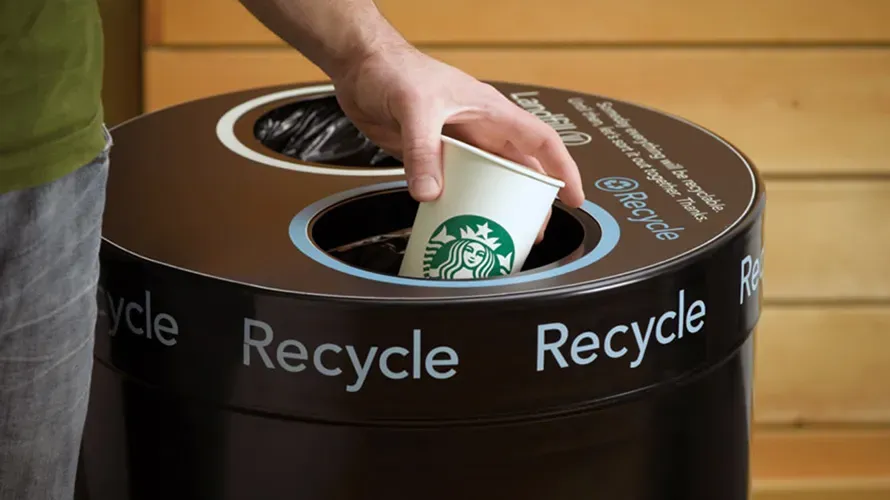
Starbucks has positioned itself as an eco-friendly brand by promoting sustainable sourcing of coffee beans and reducing its environmental footprint. This is communicated across all channels, appealing to millennials and Gen Z’s demand for sustainability.
3. Loyalty Programs & Personalisation
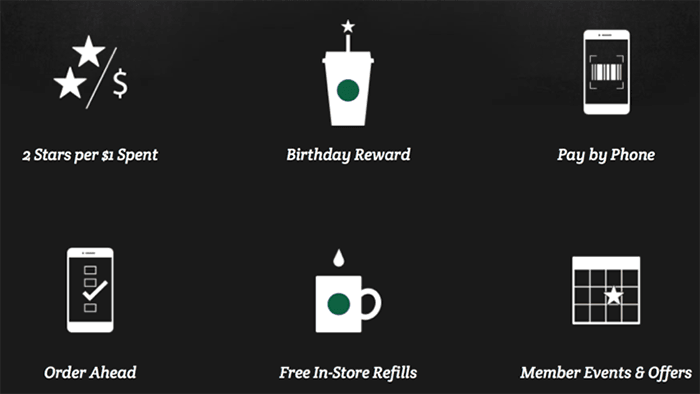
Starbucks uses its app to enhance customer loyalty by offering personalised discounts, rewards, and exclusive offers. The app also tracks customer preferences, allowing the brand to tailor marketing messages.
Results & Impact
- Starbucks’ loyalty program is one of the most successful in the world, with over 20 million active members in the U.S. alone. These customers account for approximately 40% of Starbucks' total sales, demonstrating the success of their customer retention strategy.
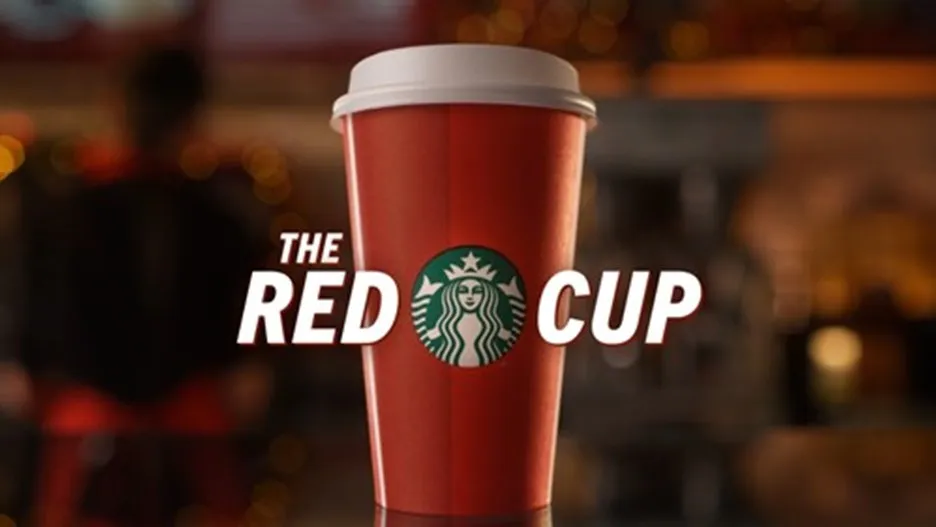
- Social media campaigns like the “#RedCupContest” or “#StarbucksForLife” generate millions of interactions, making Starbucks a leader in social media engagement in the food and beverage sector.
- The Starbucks app continues to see strong growth, with over 25 million downloads globally, which drives both in-store visits and mobile orders, enhancing customer convenience.
What Worked & Why
Starbucks' personalised marketing, use of loyalty programs, and strong social media presence have been pivotal in building a community of loyal customers. The seamless blend of offline and online experiences has kept customers coming back for more.
What Did Not Work & Why
While Starbucks' digital strategies have been highly successful, some campaigns have faced criticism for not addressing local preferences enough. The brand could improve regional relevance in its global marketing campaigns.
IIDE Student Recommendations: Key Areas for Brand Improvement
Enhanced Regional Customisation: Starbucks could further improve its global marketing efforts by focusing more on regional customisation. This means offering products that cater to local tastes and preferences, which would increase relevance in diverse markets. For instance, offering unique coffee blends or flavours specific to different countries or regions could help the brand appeal to local audiences.
Better Integration of AI and Data Analytics: Starbucks could benefit from more advanced AI tools for predicting customer behaviour, optimising inventory, and enhancing personalisation across all touchpoints. By leveraging predictive analytics, the brand could send more targeted offers at the right time, increasing conversion rates.
Emphasising Affordability without Compromising Sustainability: Starbucks could consider offering more budget-friendly, sustainable options. By finding a balance between ethical practices and affordability, it could further expand its reach to price-sensitive customers.
Want to Know Why 2,50,000+ Students Trust Us?
Dive into the numbers that make us the #1 choice for career success


Learn From Asia’s #1
Digital Marketing Institute
AI-Based Curriculum
Dive in to the future with the latest AI tools
Placement at top brands and agencies


 & more...

Conclusion
In conclusion, Starbucks’ marketing strategy is a testament to its success in the coffee industry. By focusing on high-income spenders, urban professionals, and tech-savvy individuals, Starbucks has effectively positioned itself as a premium brand.
While challenges remain, the brand's commitment to innovation and customer satisfaction positions it for continued success in a competitive market. By continuously adapting to consumer trends and leveraging strategic partnerships, Starbucks remains a leader in the global coffee market.
MBA - Level
Post Graduate in Digital Marketing & Business Strategy

Best For
Fresh Graduates

Mode of Learning
On Campus (Mumbai & Delhi)

Starts from
Oct 1, 2026

Duration
11 Months

Live & Online
Advanced Online Digital Marketing Course
Best For
Working Professionals
Mode of Learning
Online
Starts from
Sep 4, 2026
Duration
4-6 Months

Online
Professional Certification in AI Strategy
Best For
AI Enthusiasts
Mode of Learning
Online
Starts from
Sep 8, 2026
Duration
5 Months

Online or Offline
Top AI Courses to Make You Future Ready!
Best For
AI Enthusiasts
Mode of Learning
2–5 Month Program
Starts from
Sep 8, 2026
Duration
Flexiable

On Campus
Advanced Certification in Artificial Intelligence
Best For
AI Enthusiasts
Mode of Learning
On Campus (Mumbai)
Starts from
Sep 1, 2026
Duration
3 Months
Offline
Degree In 2026 ≠ Enough Degree + Digital Skills = Future-Ready
Best For
12th Passouts
Mode of Learning
At IIDE Campus
Starts from
Aug 31, 2026
Duration
3 Years
Offline
Undergraduate Program in Digital Business & Entrepreneurship
Best For
12th Passouts
Mode of Learning
On Campus (Mumbai)
Starts from
Aug 31, 2026
Duration
3 Years
Recent Post

Lead Trainer & Business Development Head at IIDE
Aditya Shastri leads the Business Development segment at IIDE and is a seasoned Content Marketing expert. With over a decade of experience, Aditya has trained more than 20,000 students and professionals in digital marketing, collaborating with prestigious institutions and corporations such as Jet Airways, Godrej Professionals, Pfizer, Mahindra Group, Publicis Worldwide, and many others. His ability to simplify complex marketing concepts, combined with his engaging teaching style, has earned him widespread admiration from students and professionals alike.
Aditya has spearheaded IIDE’s B2B growth, forging partnerships with over 40 higher education institutions across India to upskill students in digital marketing and business skills. As a visiting faculty member at top institutions like IIT Bhilai, Mithibai College, Amity University, and SRCC, he continues to influence the next generation of marketers.
Apart from his marketing expertise, Aditya is also a spiritual speaker, often traveling internationally to share insights on spirituality. His unique blend of digital marketing proficiency and spiritual wisdom makes him a highly respected figure in both fields.