Application Deadline for 3-Year UG Program closes on 31st Aug. Book a Counselling to know more

Students Centric
Placements Report
Trackable results, real numbers
Reviews
Proven success, real voices
Trainers
Expert-led, Industry-Driven Training
Life at IIDE
Vibrant Spirit student life
Alumni
Successful Journeys, Inspiring Stories
Learning Centre
Webinars
Blogs
Case studies
Live, Interactive Masterclasses
Fresh Insights, quick reads
Real-life, Industry relevant
More
Hire from us
Hire Top Digital Marketing Talent
Work with us
Join Our Team, Make an Impact
Customised Training
Personalised digital marketing training for your company
Refer & earn
Simple, easy rewards
Contact us
Get the answers you need
About us
Know more about IIDE
Explore all course options

FOR FRESH GRADUATES
Post Graduation Program in Digital Marketing & Business Strategy- Ideal for Age: 20–25 Years

Can’t decide? Explore all our
Digital Marketing Courses
COMPARE ALL 3 PROGRAMSOnline & Offline
Explore Top AI CoursesIndustry-Aligned TRACKMost Popular
UG Program in Digital Business & Entrepreneurship- Ideal for 12th Pass out / FY Degree Student

PARTNER PROGRAMS







Can’t decide? Explore all
BBA In Digital Marketing Colleges
Orginally Written by Aditya Shastri
Updated on Dec 11, 2025
Share on:


Tata Motors, one of India's leading automobile manufacturers, is known for its extensive product portfolio ranging from electric vehicles to commercial vehicles. How does it fare in terms of strengths, weaknesses, opportunities, and threats in 2026? This analysis offers key insights into Tata Motors’ current market position and strategies. If you're an entrepreneur or business student, this detailed SWOT analysis is crucial for understanding Tata's competitive edge.
About Tata Motors
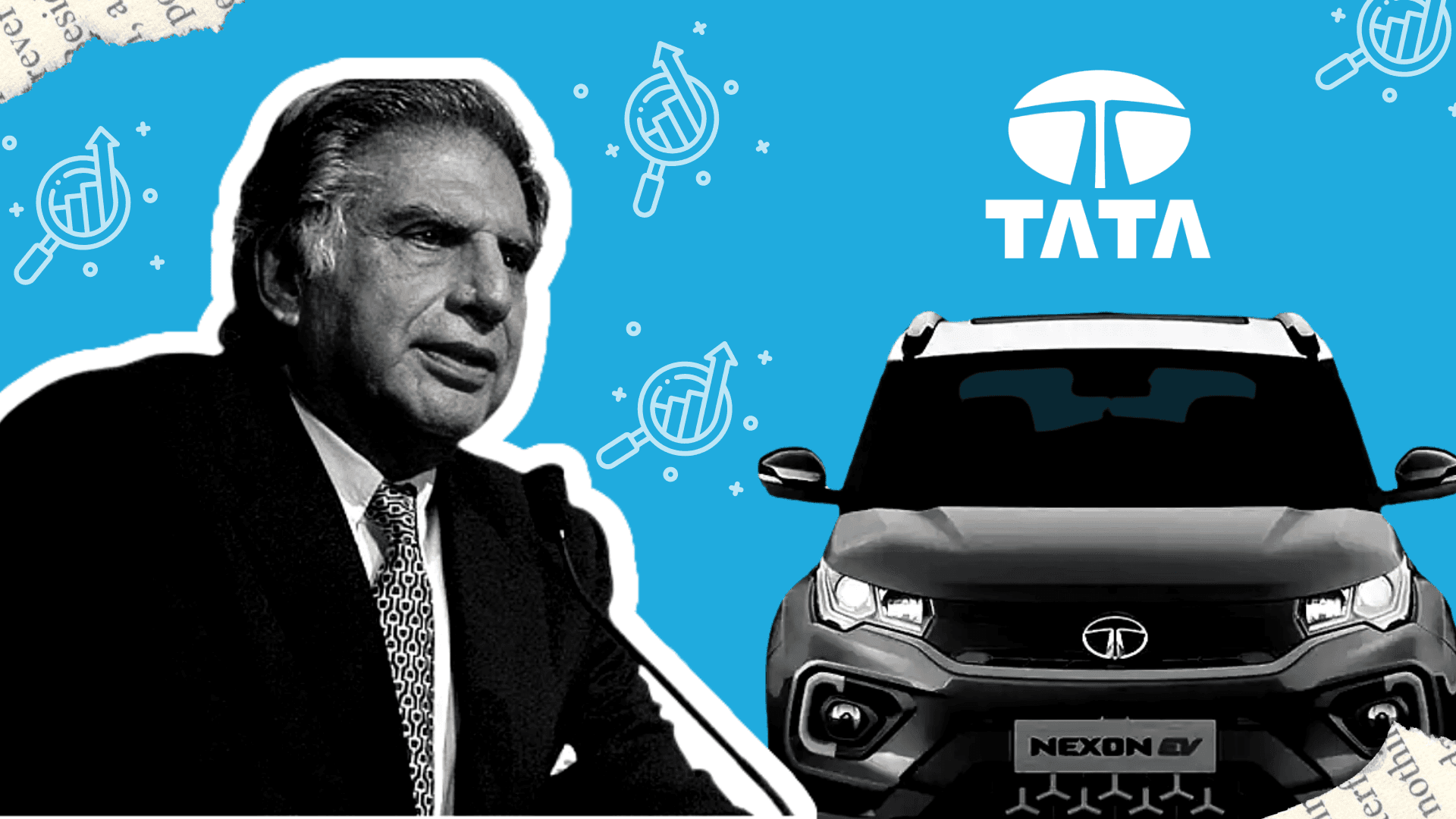
Founded in 1945, Tata Motors is one of the largest manufacturers of automobiles in India and operates globally. Known for its innovation and extensive product range, Tata Motors has become a key player in the electric vehicle market with models like the Nexon EV. The company’s slogan, "Connecting Aspirations," reflects its commitment to progress. This SWOT analysis explores Tata Motors' strengths, weaknesses, opportunities, and threats.
| Official Company Name | Tata Motors Limited |
|---|---|
| Founded Year | 1945 |
| Website URL | |
| Industries Served | Automotive |
| Geographic Areas Served | Global (175+ countries) |
| Revenue (2025) | $45.3 billion |
| Net Income (2025) | $2.1 billion |
| Employees | 80000 |
| Main Competitors | Hyundai, Ford, GM |

Is Digital Marketing the Right Career for You?
Find out in a free 45-min masterclass · Career paths, roles and growth explained · By Karan Shah, Founder & CEO, IIDE

Is Digital Marketing the Right Career for You?
Find out in a free 45-min masterclass · Career paths, roles and growth explained · By Karan Shah, Founder & CEO, IIDE
SWOT Analysis of Tata Motors
Brand Strengths:
Tata Motors has been a leader in automotive manufacturing, with strengths such as:
- Brand Equity & Market Leadership: A trusted name in the automotive industry with a solid global reputation.
- Product Innovation & Sustainability: Tata Motors leads in electric vehicles, particularly with the Nexon EV, one of the top-selling EVs in India.
- Global Reach: The brand operates in over 175 countries, making it a truly international player.
- Financial Performance: Consistently strong financial results, providing stability for further growth and innovation.
- Strategic Partnerships: Collaborations with global brands, enhancing its capabilities in both technology and production.
SWOT analysis of Maruti Suzuki gives a local competitor perspective on affordability, market dominance, and consumer trust.
Brand Weaknesses:
Tata Motors faces some challenges that could impact its performance:
- Reliance on Domestic Market: A significant portion of its revenue comes from India, making it vulnerable to fluctuations in the domestic market.
- Pricing Issues: Its higher-end models may face difficulties in competing with global brands due to pricing challenges.
- Operational Hiccups: Certain segments, like passenger cars, still face operational inefficiencies compared to global leaders.
- Brand Perception: Despite improvements, some Tata models are still seen as less premium compared to competitors in certain markets.
Brand Opportunities:
Tata Motors has several growth avenues to explore:
- Electric Vehicle Growth: As demand for EVs increases globally, Tata Motors is well-positioned to capitalize on this shift with its electric vehicle lineup, including the Nexon EV and Tigor EV.
- Acquisitions & Partnerships: There’s potential for strategic acquisitions in the EV and autonomous vehicle segments to strengthen its market position.
- Emerging Markets: Growing vehicle demand in emerging economies presents an opportunity to expand its global footprint.
- Technological Advancements: Leveraging AI, automation, and IoT for smarter manufacturing processes will improve efficiency and product quality.
SWOT analysis of Honda provides insight into how global engineering and hybrid innovation shape automotive resilience.
Brand Threats:
Tata Motors faces several external challenges:
- Intense Competition: Growing competition from international automobile giants like Hyundai, GM, and newer entrants like Tesla in the EV market.
- Economic Downturns: Economic instability, including inflation and recessions, can impact both vehicle sales and production costs.
- Supply Chain Disruptions: Global supply chain issues, especially semiconductor shortages, can delay production and affect profitability.
- Regulatory Hurdles: Increasingly stringent regulations on emissions and sustainability may increase operational costs and compliance challenges.
SWOT analysis of BMW offers a premium lens into how brand positioning and technology influence performance-based markets.
SWOT Summary Table
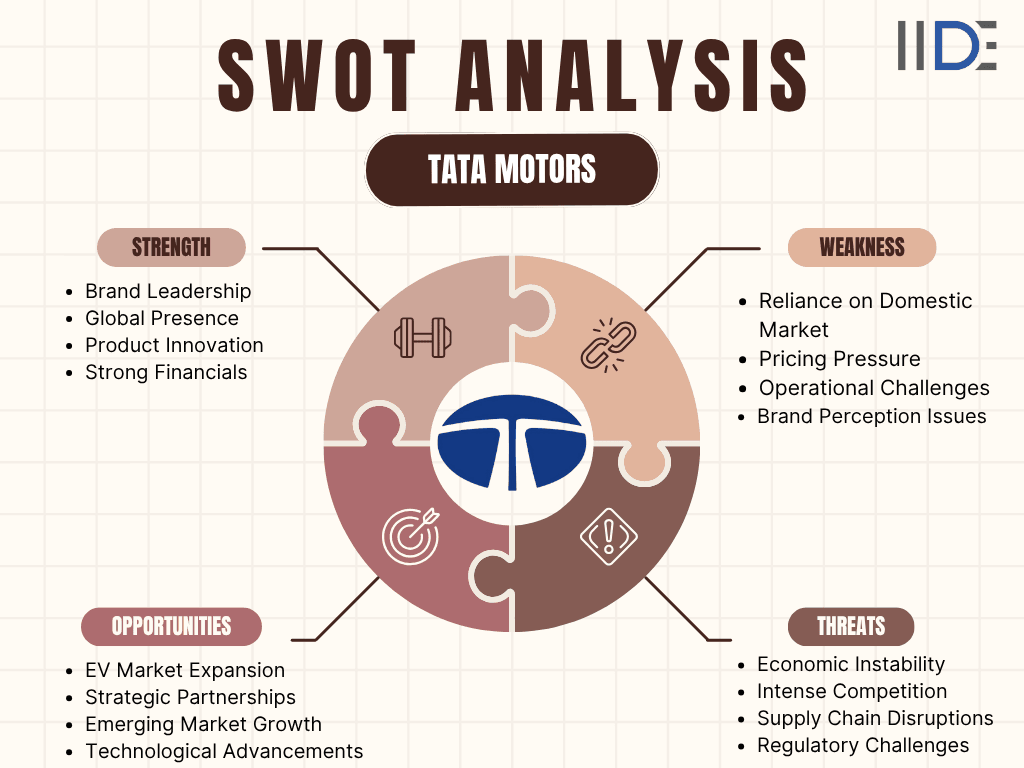
IIDE Student Takeaway, Conclusion & Recommendations
Tata Motors stands as a powerful force in the automotive industry, especially due to its robust brand leadership and innovative electric vehicle strategies.
The company has achieved remarkable success by focusing on sustainability, with models like the Nexon EV, positioning it well for the future of green mobility.
However, Tata Motors' reliance on the Indian market remains a vulnerability that could limit its global ambitions if not addressed.
For entrepreneurs and business students, Tata Motors presents a valuable case study in leveraging innovation to drive industry leadership.
The shift towards electric vehicles offers enormous growth potential, yet the company must navigate pricing challenges and ensure its products appeal to both mass-market consumers and premium segments.
The core tension for Tata Motors lies in balancing its competitive edge in emerging markets with the challenges posed by intense global competition and evolving consumer preferences.
Moving forward, the company should capitalize on its strengths in electric mobility while strengthening its operational efficiency and global market diversification.
It should also focus on enhancing brand perception to position its higher-end products as premium offerings that rival global competitors.
Recommendations include continued investment in EV technologies, further geographic expansion, and strategic acquisitions in related fields like autonomous driving.
By refining its pricing strategies and ensuring product quality, Tata Motors can achieve sustainable growth and overcome the hurdles posed by intense competition and market volatility.
The future outlook remains optimistic, but strategic adjustments are essential for long-term success.
Want to Know Why 5,00,000+ Students Trust Us?
Dive into the numbers that make us the #1 choice for career success



MBA - Level
Post Graduate in Digital Marketing & Business Strategy

Best For
Fresh Graduates

Mode of Learning
On Campus (Mumbai & Delhi)

Starts from
Oct 1, 2026

Duration
11 Months

Live & Online
Advanced Online Digital Marketing Course
Best For
Working Professionals
Mode of Learning
Online
Starts from
Sep 4, 2026
Duration
4-6 Months

Online
Professional Certification in AI Strategy
Best For
AI Enthusiasts
Mode of Learning
Online
Starts from
Sep 8, 2026
Duration
5 Months

Online or Offline
Top AI Courses to Make You Future Ready!
Best For
AI Enthusiasts
Mode of Learning
2–5 Month Program
Starts from
Sep 8, 2026
Duration
Flexiable

On Campus
Advanced Certification in Artificial Intelligence
Best For
AI Enthusiasts
Mode of Learning
On Campus (Mumbai)
Starts from
Sep 1, 2026
Duration
3 Months
Offline
Undergraduate Program in Digital Business & Entrepreneurship
Best For
12th Passouts
Mode of Learning
On Campus (Mumbai)
Starts from
Aug 19, 2026
Duration
3 Years
Offline
Degree In 2026 ≠ Enough Degree + Digital Skills = Future-Ready
Best For
12th Passouts
Mode of Learning
At IIDE Campus
Starts from
Aug 19, 2026
Duration
3 Years
Recent Post
Yes. Tata Motors still owns Jaguar, which is a subsidiary of the larger Tata Group. Tata Motors acquired Jaguar Land Rover (which includes Jaguar) in 2008 from Ford.
Tata Tiago 2025 is the current cheapest car model starting at ₹ 4.99 Lakh.
Tata Nexon is considered the top model of Tata Motors, particularly for its safety, features, and value for money. Other premium models include Tata Harrier and Safari for larger SUVs.

Lead Trainer & Business Development Head at IIDE
Aditya Shastri leads the Business Development segment at IIDE and is a seasoned Content Marketing expert. With over a decade of experience, Aditya has trained more than 20,000 students and professionals in digital marketing, collaborating with prestigious institutions and corporations such as Jet Airways, Godrej Professionals, Pfizer, Mahindra Group, Publicis Worldwide, and many others. His ability to simplify complex marketing concepts, combined with his engaging teaching style, has earned him widespread admiration from students and professionals alike.
Aditya has spearheaded IIDE’s B2B growth, forging partnerships with over 40 higher education institutions across India to upskill students in digital marketing and business skills. As a visiting faculty member at top institutions like IIT Bhilai, Mithibai College, Amity University, and SRCC, he continues to influence the next generation of marketers.
Apart from his marketing expertise, Aditya is also a spiritual speaker, often traveling internationally to share insights on spirituality. His unique blend of digital marketing proficiency and spiritual wisdom makes him a highly respected figure in both fields.