Application Deadline for 3-Year UG Program closes on 31st Aug. Book a Counselling to know more

Students Centric
Placements Report
Trackable results, real numbers
Reviews
Proven success, real voices
Trainers
Expert-led, Industry-Driven Training
Life at IIDE
Vibrant Spirit student life
Alumni
Successful Journeys, Inspiring Stories
Learning Centre
Webinars
Blogs
Case studies
Live, Interactive Masterclasses
Fresh Insights, quick reads
Real-life, Industry relevant
More
Hire from us
Hire Top Digital Marketing Talent
Work with us
Join Our Team, Make an Impact
Customised Training
Personalised digital marketing training for your company
Refer & earn
Simple, easy rewards
Contact us
Get the answers you need
About us
Know more about IIDE
Explore all course options

FOR FRESH GRADUATES
Post Graduation Program in Digital Marketing & Business Strategy- Ideal for Age: 20–25 Years

Can’t decide? Explore all our
Digital Marketing Courses
COMPARE ALL 3 PROGRAMSOnline & Offline
Explore Top AI CoursesIndustry-Aligned TRACKMost Popular
UG Program in Digital Business & Entrepreneurship- Ideal for 12th Pass out / FY Degree Student

PARTNER PROGRAMS






Can’t decide? Explore all
BBA In Digital Marketing Colleges
Orginally Written by Aditya Shastri
Updated on Feb 20, 2026
Share on:


Milo, a beloved global brand, has long dominated the malt beverage market, particularly in Southeast Asia. Known for its positioning as a nutritious energy drink, Milo maintains a significant market share. But with evolving consumer preferences and increasing health consciousness, can it continue to lead the market? Entrepreneurs and business students should delve into this SWOT analysis to understand Milo’s strategic position and market dynamics in 2026.
About Milo
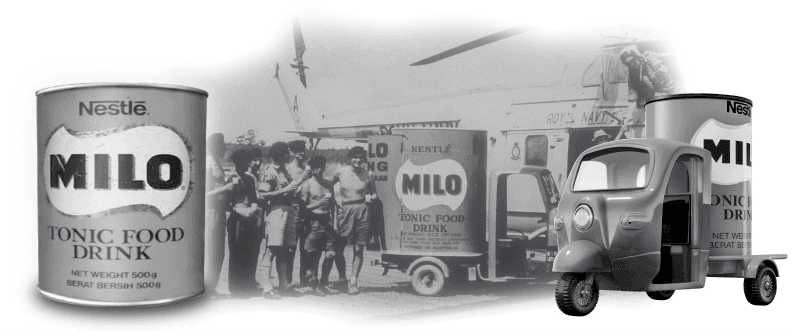
Milo, a beloved global brand, has dominated the malt beverage market for decades. Positioned as a nutritious energy drink, Milo maintains a significant market share, especially in Southeast Asia. But can it sustain this leadership amid evolving consumer trends? Understanding Milo's SWOT analysis is crucial for entrepreneurs and business students aiming to grasp market dynamics and strategic brand management in 2026.
Overview Table
| Attribute | Details |
|---|---|
| Official Name | Milo |
| Founded Year | 1934 |
| Website URL | www.milo.com |
| Industries Served | Beverages, Nutritional Products |
| Geographic Areas | Global, strong in Asia-Pacific |
| Revenue (2025) | Approx. $3.5 billion |
| Net Income (2025) | Approx. $480 million |
| Employees | Approx. 16,000 |
| Main Competitors | Ovaltine, Horlicks, Cadbury Bournvita, Nesquik |

Is Digital Marketing the Right Career for You?
Find out in a free 45-min masterclass · Career paths, roles and growth explained · By Karan Shah, Founder & CEO, IIDE


Is Digital Marketing the Right Career for You?
Find out in a free 45-min masterclass · Career paths, roles and growth explained · By Karan Shah, Founder & CEO, IIDE
SWOT Analysis of Milo
Brand Strength: Milo’s Superpowers in 2026
Brand Equity & Recognition:
- Milo enjoys strong global recognition, especially in Southeast Asia, where it is synonymous with energy and vitality.
- With its decades-long heritage, it remains a market leader in the malt beverage sector.
Market Leadership & Position:
- As a dominant market leader, Milo commands a significant market share in the nutritious beverage segment.
- It has consistently maintained its position as one of the top-selling drinks in the Asia-Pacific region.
Financial Performance:
- Milo continues to show consistent financial performance, with 2026 revenue of around $3.5 billion.
- This financial strength enables the brand to maintain market leadership and fund product innovation.
Successful Sports Marketing:
- Milo’s sports marketing associations, including its sponsorship of various youth sporting events and partnerships with athletes, help maintain its strong brand image and connection with active lifestyles.
Global Presence:
- Milo is sold in over 100 countries, making it one of the most recognised and trusted beverage brands globally.
- This extensive reach solidifies its ability to impact and influence consumer behaviour worldwide.
SWOT analysis of Dabur highlights how health-centric positioning and rural outreach help brands like Milo connect with diverse consumers.
Brand Weakness: Milo’s Struggles in 2026
Health Concerns Over Sugar Content:
- As health consciousness grows, Milo’s high sugar content is increasingly criticised.
- This raises concerns among health-conscious consumers, particularly those in Western markets, where sugar intake is under scrutiny.
Limited Product Diversification:
- While Milo has enjoyed success with its flagship malt beverage, the brand lacks diversification into newer categories.
- The brand's reliance on traditional offerings limits its ability to compete with health-oriented beverages and new drink categories.
Supply Chain Vulnerabilities:
- With its global reach, Milo is vulnerable to supply chain disruptions, especially in volatile markets. Issues such as raw material shortages and fluctuating production costs may impact its ability to maintain product consistency.
Pricing Pressure in Competitive Markets:
- The brand faces pricing pressure, particularly in markets where consumers are opting for lower-priced alternatives.
- Competitors in the healthy drink space are offering more affordable, clean-label options.
Slow Adaptation to Consumer Preferences:
- Milo has been slow in adapting to the shift toward health-conscious alternatives.
- While the brand is working to introduce healthier versions, competitors have already capitalised on this trend.
SWOT analysis of Gold Flake gives insight into how heritage branding and mass-market appeal impact long-term relevance in competitive markets.
Brand Opportunities: Milo’s Paths for Growth
Expansion into Emerging Markets:
- Africa, the Middle East, and Latin America present untapped growth opportunities.
- The increasing demand for nutritious beverages in these regions could lead to a significant rise in sales.
Diversification into Healthier Product Lines:
- Milo can leverage the growing demand for health-conscious beverages by introducing low-sugar, plant-based alternatives and even functional drinks targeting specific health benefits (e.g., energy, immunity, digestion).
Sustainability and ESG Initiatives:
- With an increasing focus on sustainability, Milo can leverage sustainable practices like eco-friendly packaging and carbon footprint reduction to appeal to eco-conscious consumers.
Technological Advancements:
- Smart packaging and AI-powered product innovation can help Milo enhance consumer engagement, improve logistics, and optimise the production process.
Strategic Partnerships with Health and Fitness Brands:
- Collaborations with fitness and nutrition companies can open new channels for product co-branding and targeted marketing to health-conscious consumers.
Brand Threats: Milo’s Competitive Challenges
Intensified Competition:
- Health-oriented competitors like Ovaltine and Horlicks, and new entrants offering sugar-free or plant-based alternatives, are threatening Milo’s market share.
- The shift towards functional beverages is particularly challenging.
Regulatory Pressures on Sugary Beverages:
- Increasing regulations on sugary drinks in markets like the EU, Australia, and North America could impose higher taxes and compliance costs, impacting Milo’s pricing structure.
Economic Volatility:
- Global economic downturns could lead to reduced consumer spending, particularly on premium or non-essential products like Milo.
- Fluctuating raw material costs can also squeeze margins.
Rising Counterfeit Products:
- The rise of counterfeit Milo products in certain regions could harm the brand’s reputation and consumer trust, leading to potential revenue loss.
Shifting Consumer Preferences:
- As healthier lifestyles become more prevalent, there is a declining interest in sugary drinks.
- Shifting preferences towards plant-based or sugar-free drinks pose a major risk to Milo’s traditional product offerings.
Marketing strategy of Maggi provides parallels in how everyday FMCG brands build emotional resonance and consumer trust.
Buyers Persona:

Bhuwan Maharjan
Occupation: Tour Guide
Age: 40 years
Motivation
Interest & Hobbies
Pain Points
Social Media Presence
Summary Table – SWOT of Milo

IIDE Student Takeaway, Conclusion & Recommendations
Milo remains a market leader in the malt beverage sector with global recognition and strong brand loyalty.
Its financial performance has been consistent, but the company faces challenges in adapting to health-conscious consumer trends and managing high sugar content.
Supply chain vulnerabilities and pricing pressures in competitive markets further impact its future growth prospects.
Core Tension:
The core tension for Milo lies in balancing its traditional strength in malt beverages with the urgent need to diversify into healthier alternatives.
As consumer preferences shift towards sugar-free and plant-based products, Milo must innovate to remain relevant in the market.
Future Outlook:
Milo’s future remains positive, but it must address evolving market demands.
The brand is well-positioned to expand into emerging markets and capitalise on health and sustainability trends.
However, without swift adaptation in product diversification and sustainability efforts, Milo risks losing market relevance.
Actionable Recommendations:
Expand into Emerging Markets: Focus on Asia, Africa, and Latin America, where demand for nutritious beverages is on the rise.
Diversify Product Portfolio: Introduce healthier, sugar-free alternatives and explore opportunities in functional drinks.
Invest in Sustainability: Implement eco-friendly practices in packaging and sourcing to cater to the growing consumer demand for sustainable products.
Leverage Technology: Invest in smart packaging and AI-powered consumer engagement to enhance product offerings and customer loyalty.
Conclusion:
Milo’s leadership in the beverage industry is well-established, but adapting to the changing health and sustainability trends is crucial for its continued success.
By expanding into emerging markets, diversifying its product line, and embracing sustainable practices, Milo can maintain its competitive edge and thrive in the evolving market.
Business students and entrepreneurs analysing Milo’s strategy can learn valuable lessons in product innovation and market adaptation.
Want to Know Why 5,00,000+ Students Trust Us?
Dive into the numbers that make us the #1 choice for career success



MBA - Level
Post Graduate in Digital Marketing & Business Strategy

Best For
Fresh Graduates

Mode of Learning
On Campus (Mumbai & Delhi)

Starts from
Oct 1, 2026

Duration
11 Months

Live & Online
Advanced Online Digital Marketing Course
Best For
Working Professionals
Mode of Learning
Online
Starts from
Sep 4, 2026
Duration
4-6 Months

Online
Professional Certification in AI Strategy
Best For
AI Enthusiasts
Mode of Learning
Online
Starts from
Sep 8, 2026
Duration
5 Months

Online or Offline
Top AI Courses to Make You Future Ready!
Best For
AI Enthusiasts
Mode of Learning
2–5 Month Program
Starts from
Sep 8, 2026
Duration
Flexiable

On Campus
Advanced Certification in Artificial Intelligence
Best For
AI Enthusiasts
Mode of Learning
On Campus (Mumbai)
Starts from
Sep 1, 2026
Duration
3 Months

Offline
Undergraduate Program in Digital Business & Entrepreneurship
Best For
12th Passouts
Mode of Learning
On Campus (Mumbai)
Starts from
Aug 19, 2026
Duration
3 Years

Offline
Degree In 2026 ≠ Enough Degree + Digital Skills = Future-Ready
Best For
12th Passouts
Mode of Learning
At IIDE Campus
Starts from
Aug 19, 2026
Duration
3 Years
Recent Post
Milo was first introduced in 1934 in Australia by Nestlé as a nutritious drink designed to provide energy and nourishment, particularly for children. It was originally developed by Australian chemist Thomas Mayne.
Milo is made from a combination of malted barley, cocoa, milk solids, and sugar. It also contains vitamins and minerals like vitamin B1, B2, B3, B6, B12, iron, and calcium, which are added to enhance its nutritional value.
Yes, Milo contains a small amount of caffeine, as it is made from cocoa, which naturally contains caffeine. However, the caffeine content in Milo is much lower compared to coffee or other caffeinated beverages.
Yes, Nestlé offers a Milo with reduced sugar for those who are looking for a healthier alternative. This version still retains the taste of the original but with less sugar per serving.
Yes, Milo is marketed as an energy drink, and many athletes and physically active individuals consume it for a quick source of energy. It contains carbohydrates (from malted barley and sugar), protein (from milk solids), and essential vitamins and minerals to support energy levels and recovery.

Lead Trainer & Business Development Head at IIDE
Aditya Shastri leads the Business Development segment at IIDE and is a seasoned Content Marketing expert. With over a decade of experience, Aditya has trained more than 20,000 students and professionals in digital marketing, collaborating with prestigious institutions and corporations such as Jet Airways, Godrej Professionals, Pfizer, Mahindra Group, Publicis Worldwide, and many others. His ability to simplify complex marketing concepts, combined with his engaging teaching style, has earned him widespread admiration from students and professionals alike.
Aditya has spearheaded IIDE’s B2B growth, forging partnerships with over 40 higher education institutions across India to upskill students in digital marketing and business skills. As a visiting faculty member at top institutions like IIT Bhilai, Mithibai College, Amity University, and SRCC, he continues to influence the next generation of marketers.
Apart from his marketing expertise, Aditya is also a spiritual speaker, often traveling internationally to share insights on spirituality. His unique blend of digital marketing proficiency and spiritual wisdom makes him a highly respected figure in both fields.