
Students Centric
Placements Report
Trackable results, real numbers
Reviews
Proven success, real voices
Trainers
Expert-led, Industry-Driven Training
Life at IIDE
Vibrant Spirit student life
Alumni
Successful Journeys, Inspiring Stories
Learning Centre
Webinars
Blogs
Case studies
Live, Interactive Masterclasses
Fresh Insights, quick reads
Real-life, Industry relevant
More
Hire from us
Hire Top Digital Marketing Talent
Work with us
Join Our Team, Make an Impact
Customised Training
Personalised digital marketing training for your company
Refer & earn
Simple, easy rewards
Contact us
Get the answers you need
About us
Know more about IIDE
Explore all course options

FOR FRESH GRADUATES
Post Graduation Program in Digital Marketing & Business Strategy- Ideal for Age: 20–25 Years

Can’t decide? Explore all our
Digital Marketing Courses
COMPARE ALL 3 PROGRAMSOnline & Offline
Explore Top AI CoursesIndustry-Aligned TRACKMost Popular
UG Program in Digital Business & Entrepreneurship- Ideal for 12th Pass out / FY Degree Student

PARTNER PROGRAMS







Can’t decide? Explore all
BBA In Digital Marketing Colleges
Orginally Written by Aditya Shastri
Updated on Dec 11, 2025
Share on:


To truly get into the marketing secrets of Patanjali, we first have to understand the brand itself. Before we dive into the clever strategies that made it a multi-billion-dollar company, let's quickly explore its journey, core values, and what makes it such a unique player in the Indian FMCG space.
This will set the stage for our deep dive into the brand's media mix, campaign tactics, and the tangible results that define its success.
Before diving into the article, I’d like to inform you that the research and initial analysis for this piece were conducted by Priyanka Chaudhari. She is a current student in the March 2025 Batch.
About Patanjali
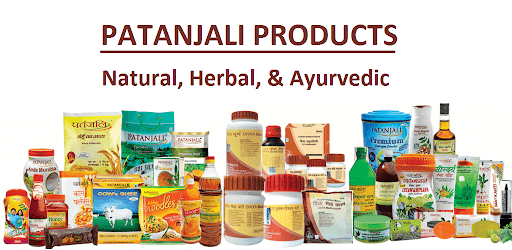
Patanjali Ayurved Limited, founded in 2006 by Baba Ramdev and Acharya Balkrishna, is an Indian FMCG company rooted in Ayurveda and natural wellness.
Headquarters- Haridwar, Uttarakhand, India, the company blends ancient Ayurvedic knowledge with modern business practices, making natural wellness accessible to the masses.
In less than two decades, Patanjali has grown from a small Ayurvedic pharmacy into a multi-billion-dollar FMCG powerhouse, competing directly with global giants like Hindustan Unilever, Nestlé, and Colgate.
Market Presence: Patanjali operates 5,000+ exclusive outlets, has a strong hold in general trade, and is listed on leading e-commerce platforms such as Amazon, Flipkart, and BigBasket.
Product Portfolio: From Ayurvedic medicines and personal care products to packaged foods, beverages, home care, and natural supplements.
USP: Patanjali positions itself as the “Swadeshi” alternative - affordable, natural, and deeply connected to Indian culture and wellness traditions.
The brand's overall marketing goals are centred on promoting a healthy, holistic, and natural lifestyle. Its biggest strength lies in its trust-building approach, led by Baba Ramdev’s credibility as a yoga guru.

Is Digital Marketing the Right Career for You?
Find out in a free 45-min masterclass · Career paths, roles and growth explained · By Karan Shah, Founder & CEO, IIDE

Is Digital Marketing the Right Career for You?
Find out in a free 45-min masterclass · Career paths, roles and growth explained · By Karan Shah, Founder & CEO, IIDE
Marketing Objectives & Business Challenges
“Grow the roots deeper." Patanjali is rapidly building new factories and farms (like the Mega Food Parks) to truly control every ingredient, ensuring their promise of pure, affordable, and Swadeshi products can be delivered to every corner of India. Source
“Win the youth online." They're shifting from the Guru's TV sermons to smart digital campaigns to convince the modern, app-savvy generation that ancient Ayurveda is the best choice for wellness.
"Be the nation's kitchen." By expanding their range into more daily food items and challenging global brands, their goal is to make a Patanjali product a non-negotiable presence in every Indian household's grocery list.
"The burden of the face." The entire brand trust rests heavily on Baba Ramdev; any controversy or misstep he makes immediately creates a trust crisis for all 2,500 products.
"Fighting fair and square." Their aggressive, comparative advertisements often lead to legal battles with competitors, forcing them to spend more time in courtrooms than on shelves, and risking the authenticity they claim.
"The affordability tightrope." While keeping prices low is their superpower, rising inflation and the complexity of managing a massive product portfolio make it constantly difficult to sustain their penetration pricing without sacrificing quality or distributor margins.
Marketing Channels Used by Patanjali
Patanjali adopted a comprehensive marketing strategy combining performance marketing, SEO, influencer campaigns, and a strong omnichannel retail presence.
On the digital front, Patanjali invested in:
- SEO and Content Marketing to increase organic reach and drive traffic to their product pages.
- Google Ads across Search, Display, and Performance Max campaigns to achieve targeted visibility.
- YouTube Shorts for engaging, quick videos that educate and entertain the audience, particularly around the wellness benefits of Patanjali’s products.
- To build trust, Patanjali collaborated with health and wellness micro-influencers across Instagram and platforms like Momspresso, helping them connect with their core audience—health-conscious Indian families.
Patanjali also gained significant exposure in traditional media with features in The Times of India, The Economic Times, and India Today, strengthening its brand image and credibility.
For sales, Patanjali focused on direct-to-consumer (D2C) through its website while also listing its products on major e-commerce platforms like Amazon and Flipkart, along with a strong offline presence through flagship stores and partnerships with retail chains.
This multi-channel marketing strategy enabled Patanjali to spread awareness, educate its audience, and convert traffic into loyal customers.
Patanjali Marketing Strategy Breakdown
Patanjali follows a well-rounded marketing strategy blending performance marketing, SEO, influencer campaigns, and an omnichannel retail presence.
1. Content Marketing & SEO
Patanjali’s marketing strategy strongly emphasised SEO-driven content to grow its organic traffic and educate Indian consumers about its Ayurvedic product offerings.
They published blog articles like “10 Ayurvedic Tips for Healthy Skin” and “Why You Should Switch to Herbal Products for Your Family,” targeting both informational and transactional keywords.
Some of the keywords they ranked for included:
- Ayurvedic health products
- Herbal remedies for skin
- Natural wellness supplements
They also implemented internal linking, connecting relevant blog posts with product and category pages to pass SEO authority.
On the technical side, Patanjali worked on fixing broken links (404 errors), resolving duplicate content, and enhancing mobile speed, which resulted in improved performance.
Within a few months, Patanjali saw a significant improvement in their domain authority and received a notable increase in monthly organic visits.
2. Influencer Marketing
Patanjali understands that trust is paramount when it comes to building relationships with Indian consumers, particularly in the wellness space. They partnered with 50+ health and wellness influencers, many of whom focus on Ayurveda and holistic living. These influencers shared:
- Honest product reviews
- Unboxing videos
- Personal experiences and testimonials
Platforms like Instagram, YouTube, and Momspresso helped Patanjali reach its target audience, engaging them in their native digital spaces.
What made the campaign a success? The authenticity of the content. These influencers weren't simply promoting Patanjali’s products; they were showing how Patanjali's products aligned with their daily healthy routines.
This real-world appeal resonated well, particularly in Tier 1 and Tier 2 cities, where word-of-mouth and peer recommendations significantly impact purchase decisions.
3. Google Ads & Performance Marketing
Patanjali’s strategy to target high-intent customers included a robust mix of:
- Google Search & Display Ads
- Performance Max Campaigns
- YouTube Shorts highlight their diverse product range, like Ayurvedic skin-care creams, supplements, and hair care solutions.
Their data-driven approach allowed them to adjust ad copy, visuals, and targeting on the fly, maximising campaign impact and engagement.
4. Messaging & Brand Voice
Patanjali’s messaging is clear, simple, and focuses on health, wellness, and natural living. The brand communicates in a straightforward, friendly tone that resonates with families looking for trustworthy health solutions.
Their tagline, “Ayurvedic Products for a Healthier Life,” clearly communicates their commitment to holistic wellness.
The four key themes in Patanjali’s communication are:
- Health & Wellness
- Authenticity
- Sustainability
- Value
The brand’s messaging avoids jargon and overselling, instead focusing on honest communication that makes it easy for busy, health-conscious consumers to make informed decisions.
Results & Impact
Patanjali’s marketing strategy has yielded impressive results, with several key highlights:
Sales Growth: Patanjali’s products saw a significant rise in sales, with over 20 million products sold in the last year, making their offerings a staple in many households.
Reduced Bounce Rate: Their bounce rate dropped from 72% to 55%, showing improvements in user engagement.
Increased Traffic: Monthly traffic increased to over 35K, with 32% of this traffic coming from organic search, a direct result of their robust content strategy.
Improved Domain Authority: Patanjali secured backlinks from over 750 referring domains, boosting their search rankings significantly.
Social Media Engagement: Influencer campaigns led to an uptick in social media interactions. Consumer-generated content, such as product reviews and lifestyle stories, became prevalent across Instagram.
What Worked & Why
SEO Content Strategy: By focusing on SEO-driven content, Patanjali captured low-cost organic traffic and nurtured trust with its audience, which helped lower customer acquisition costs.
Influencer Marketing: Patanjali’s strategy of partnering with micro-influencers allowed the brand to build authentic relationships and trust with health-conscious Indian families.
Clear Messaging: Patanjali’s message of natural wellness resonated with the target audience, making it easy for them to understand the product’s value proposition.
Trust-building Campaigns: Patanjali's use of authentic influencer testimonials and product transparency helped solidify its reputation as a trusted wellness brand.
What Didn’t Work & Why
International Expansion: Despite strong local success, Patanjali did not aggressively pursue international expansion. There’s an opportunity to target Indian-origin families abroad, especially in countries like the UAE, US, and Canada, where demand for Ayurvedic products is growing.
Mobile Optimisation: While there were improvements, Patanjali's mobile checkout process still faced some hurdles, potentially causing drop-offs before conversions.
Keyword Strategy: Patanjali’s focus on core wellness keywords limited the reach of its SEO efforts. A broader keyword strategy, including long-tail keywords related to lifestyle, wellness, and eco-friendly living, would have helped them capture a wider audience.
Retail Collaboration: Patanjali has a strong offline presence in Tier 1 cities, but its retail collaborations in Tier 2 and Tier 3 cities could have been more expansive, as rural and semi-urban areas present a growing market.
Explore how Colgate's 2025 marketing strategy combines digital innovation, influencer partnerships, and premiumization to maintain its leadership in the oral care market in this detailed case study.
IIDE Student Recommendations: Key Areas for Brand Improvement
Broaden the Keyword Strategy:
Patanjali should expand its SEO strategy to include additional long-tail keywords such as:
- Best herbal remedies for skin care
- Ayurvedic immunity boosters
- Herbal solutions for hair fall
- Eco-friendly wellness products in India
Enhance Mobile Experience:
- Patanjali should focus on improving its mobile user experience, ensuring that the checkout process is optimised for one-click payments and fast navigation.
- Enhancing mobile speed will also improve overall user retention.
Expand International Reach:
- Patanjali can significantly benefit from tapping into global markets, particularly targeting Indian-origin parents abroad.
- They can initiate localised marketing campaigns and optimise their website for various currencies and shipping information in key markets like the UAE, the US, and the UK.
Loyalty & Referral Program:
- Launching a Patanjali Wellness Club for repeat purchases and a referral program could increase customer retention.
- Exclusive perks like early access to products, birthday discounts, and wellness webinars would further engage customers.
Invest in Video Content:
- Patanjali should increase its investment in video marketing, creating engaging tutorials, product reviews, customer testimonials, and expert wellness advice.
- YouTube and Instagram Reels should be used to further build the brand’s authority and increase engagement.
Retail Pop-Ups & Collaborations:
- Organising pop-up stalls at health and wellness fairs, exhibitions, and retail stores would help Patanjali engage consumers and showcase its product range in a physical space.
- It would also help boost brand visibility in Tier 2 and Tier 3 cities.
Smarter Email Marketing:
- Personalising email campaigns based on customer behaviour, like product recommendations and exclusive offers, could increase engagement.
- Targeted emails like “Your Ayurvedic Skin Care Routine Awaits” based on purchase history could nurture leads effectively.
Want to Know Why 2,50,000+ Students Trust Us?
Dive into the numbers that make us the #1 choice for career success



MBA - Level
Post Graduate in Digital Marketing & Business Strategy

Best For
Fresh Graduates

Mode of Learning
On Campus (Mumbai & Delhi)

Starts from
Oct 1, 2026

Duration
11 Months

Live & Online
Advanced Online Digital Marketing Course
Best For
Working Professionals
Mode of Learning
Online
Starts from
Sep 4, 2026
Duration
4-6 Months

Online
Professional Certification in AI Strategy
Best For
AI Enthusiasts
Mode of Learning
Online
Starts from
Sep 8, 2026
Duration
5 Months

On Campus
Advanced Certification in Artificial Intelligence
Best For
AI Enthusiasts
Mode of Learning
On Campus (Mumbai)
Starts from
Sep 29, 2026
Duration
3 Months

Offline
Top AI Courses to Make You Future Ready!
Best For
AI Enthusiasts
Mode of Learning
2–5 Month Program
Starts from
Sep 29, 2026
Duration
Flexiable

Offline
Undergraduate Program in Digital Business & Entrepreneurship
Best For
12th Passouts
Mode of Learning
On Campus (Mumbai)
Starts from
-
Duration
3 Years

Offline
Degree In 2026 ≠ Enough Degree + Digital Skills = Future-Ready
Best For
12th Passouts
Mode of Learning
At IIDE Campus
Starts from
-
Duration
3 Years
Recent Post

Lead Trainer & Business Development Head at IIDE
Aditya Shastri leads the Business Development segment at IIDE and is a seasoned Content Marketing expert. With over a decade of experience, Aditya has trained more than 20,000 students and professionals in digital marketing, collaborating with prestigious institutions and corporations such as Jet Airways, Godrej Professionals, Pfizer, Mahindra Group, Publicis Worldwide, and many others. His ability to simplify complex marketing concepts, combined with his engaging teaching style, has earned him widespread admiration from students and professionals alike.
Aditya has spearheaded IIDE’s B2B growth, forging partnerships with over 40 higher education institutions across India to upskill students in digital marketing and business skills. As a visiting faculty member at top institutions like IIT Bhilai, Mithibai College, Amity University, and SRCC, he continues to influence the next generation of marketers.
Apart from his marketing expertise, Aditya is also a spiritual speaker, often traveling internationally to share insights on spirituality. His unique blend of digital marketing proficiency and spiritual wisdom makes him a highly respected figure in both fields.