Newly Launched: Post Graduation Program in Digital Marketing & Business Strategy.

Students Centric
Placements Report
Trackable results, real numbers
Reviews
Proven success, real voices
Trainers
Expert-led, Industry-Driven Training
Life at IIDE
Vibrant Spirit student life
Alumni
Successful Journeys, Inspiring Stories
Learning Centre
Webinars
Blogs
Case studies
Live, Interactive Masterclasses
Fresh Insights, quick reads
Real-life, Industry relevant
More
Hire from us
Hire Top Digital Marketing Talent
Work with us
Join Our Team, Make an Impact
Customised Training
Personalised digital marketing training for your company
Refer & earn
Simple, easy rewards
Contact us
Get the answers you need
About us
Know more about IIDE
Explore all course options

FOR FRESH GRADUATES
Post Graduation Program in Digital Marketing & Business Strategy- Ideal for Age: 20–25 Years

Can’t decide? Explore all our
Digital Marketing CoursesTrending

Professional Certification in AI Strategy
- Ideal for AI Enthusiast










Orginally Written by Aditya Shastri
Updated on Aug 18, 2025
|1,570K+ views
Repeat Gud’s marketing strategy leverages SEO, influencer marketing, and social media ads to build brand awareness and connect with health-conscious families. It focuses on educating consumers about clean-label, sugar-free, and preservative-free condiments, positioning its products as guilt-free indulgence.
The brand utilises founder-led storytelling and influencer partnerships to create relatable, authentic content, while also exploring offline activations like sampling at parks to expand its reach.
In this article, we’ll break down Repeat Gud’s marketing strategy, exploring the digital tools and creative campaigns the brand uses to connect with its audience and overcome its business challenges.
Before diving into the marketing strategy of Repeat Gud, I’d like to inform you that the research and initial analysis for this piece were conducted by Nishi Veera. She is a current student in IIDE's Post-Graduation course (January 2024 Batch).
If you found this case study on Repeat Gud's marketing strategy, feel free to reach out to Nishi to send a quick note of appreciation for her fantastic research - she’ll appreciate the kudos!
About Repeat Gud
How Teen’s Food Struggles Turned into India’s First Guilt-Free Mayo Brand
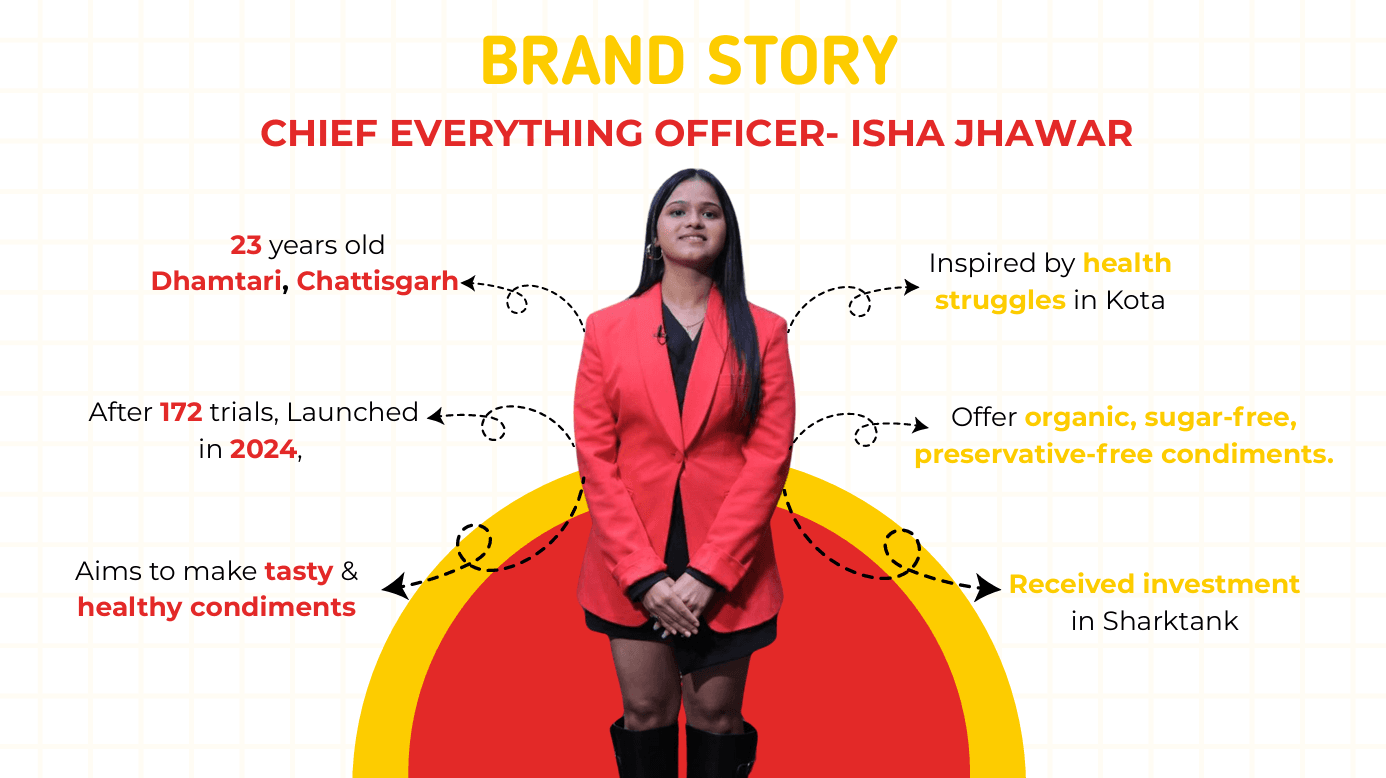
This isn’t just the story of a brand it’s the story of Isha, a self-proclaimed foodie who went from battling PCOD to building Repeat Gud, a brand on a mission to make indulgence feel a little less guilty.
Let’s rewind to 2013. Isha, the Founder & CEO of Repeat Gud, didn’t start with a business plan; she started with a personal problem. At 12, she was diagnosed with PCOD, gained 15 kilos in two months, and was banned from eating all junk and packaged food by her worried parents. As a true foodie, it felt like the end of the world.
Years later, in college, convenience foods crept back in. Hostel food was bland, and packaged snacks were an easy fix until her health took another hit.
Back home in 2019, her mom brought back the bans, and Isha brought the rebellion. But one Amazon search for “healthy mayo” led to a bigger realisation: there wasn’t a single option she could trust.
So, she decided to make her own.
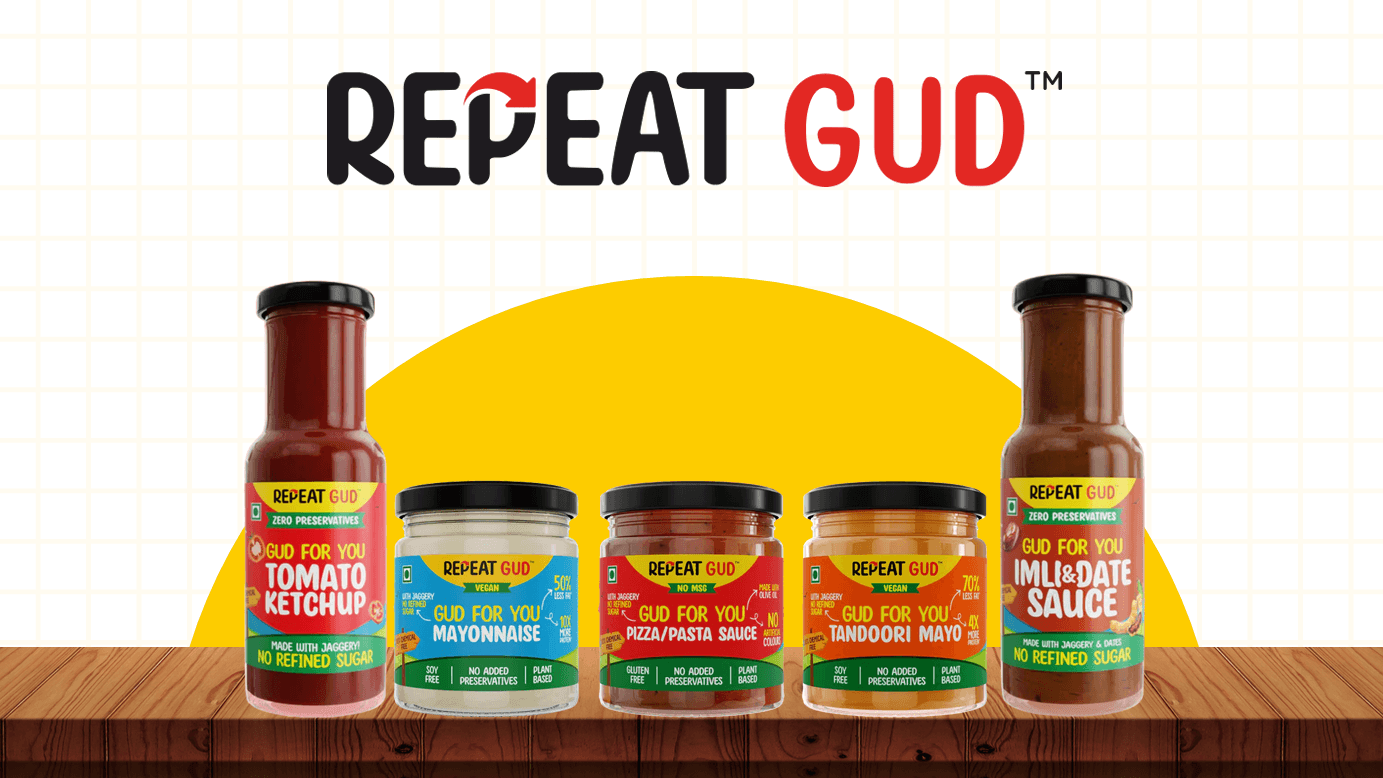
What started as a kitchen experiment turned into 172 batches of trial and error until she finally cracked the code. The result? India’s first guilt-free, clean-label mayo that tastes as good as it is for you.
Repeat Gud was born from a personal need, but it now stands for something bigger: making comfort food honest, and proving once again moms really do know best

Want to achieve results like Repeat Gud?
Join our Digital Marketing Masterclass and learn the exact strategies in just 45 mins.

Marketing Objective or Business Challenge
Repeat Gud’s key marketing goal is to:
Build brand awareness and trust among health-conscious families especially mothers with kids aged 3–15 by positioning itself as the go-to brand for clean-label, sugar-free, and preservative-free condiments.
This includes:
- Educating the market on the harmful effects of conventional sauces
- Creating strong digital recall via storytelling and influencer-driven content
- Establishing Repeat Gud as a trusted household name in the “healthy indulgence” category
- Driving D2C and e-commerce sales through targeted campaigns.
Business Challenges
Low Brand Awareness
- Despite a Shark Tank appearance, the brand is still in its early stage of recognition.
- Limited presence across offline and impulse-buy platforms like Blinkit or Zepto.
High Customer Acquisition Cost (CAC)
- Building trust for a niche product in a saturated sauce market is expensive, especially online.
Educating a Traditional Market
- Mothers and families are skeptical of “healthy” versions of traditionally indulgent products.
- The brand must explain why “no sugar” and “vegan mayo” isn’t code for “bland or boring.”
Limited Distribution
- Currently reliant on their website and Amazon.
- Lack of physical retail presence or sampling opportunities.
Strong Competition
- Competing with mass-market giants like Veeba and Kissan, and emerging niche players like Troovy.
Curious about how leading food brands dominate the market? Read this Zomato business model case study to understand how innovation and strategy reshape the dining industry.
Buyers Persona:

Sakshi Sharma
Metropolitan Cities
Occupation: Working Profession
Age: 28 - 45 year old
Motivation
- Seeking healthier, cleaner food options for their families.
- Want indulgent products that are both tasty and guilt-free.
- Desire products with clean labels, free from sugar and preservatives.
Interest & Hobbies
- Actively searching for healthy food alternatives and plant-based options for their families.
- Engaged in health and wellness communities, both online (social media, forums) and offline (parenting groups).
- Passionate about sustainable eating habits and trying new recipes with healthy ingredients.
- Follow trends in healthy living, clean-label food, and family-friendly wellness.
Pain Points
- Frustrated by the lack of healthy condiments in the market that actually taste good.
- Concerned about the hidden sugars and preservatives in conventional sauces and condiments.
- Tired of spending money on products that don’t meet their health standards for their children.
- Struggle to find food products that are kid-friendly, yet aligned with their own health-conscious choices.
Social Media Presence
- YouTube
Repeat Gud Marketing Strategy Breakdown
Repeat Gud’s marketing strategy combines digital and traditional marketing to build brand awareness and trust. Let’s take a look at the channels they leverage:
Social Media Marketing:
The brand uses Instagram, Facebook, YouTube, and X (Twitter) to share content that resonates with its target audience. Content includes health education, recipes using Repeat Gud sauces, and influencer collaborations.
The campaign #SauceWithoutAFSOS is a prime example of how Repeat Gud speaks directly to moms, promoting indulgence without the guilt.
Paid Media:
While Repeat Gud currently uses Meta Ads, there’s room for growth in paid advertising. Leveraging Google and Amazon ads would help increase brand visibility and drive sales.
Search Engine Optimisation (SEO):
Focus on health-related keywords such as “vegan mayo,” “sugar-free ketchup,” and “healthy sauces” helps Repeat Gud gain organic traction and reach health-conscious buyers searching for alternatives.
Influencer Marketing:
Collaborations with mom influencers like Sabhya & Mommy and Gunjan Dewan have helped the brand increase its trust factor, especially within niche communities. The addition of celebrity partnerships, such as Bharti Singh, amplifies visibility among families.
Email Marketing:
Although currently missing, email marketing could play a huge role in nurturing direct-to-consumer (D2C) leads and re-engaging cart abandoners.
On-ground Activation:
Repeat Gud’s product sampling kiosks at parks and play zones cater to its target audience in the physical world, where parents are often looking for healthy food options for their kids.
Outdoor Advertising:
Billboards in family-centric locations like parks and food courts would further enhance the brand’s visibility among its core audience.
Results and Impact
Repeat Gud has seen positive results in its marketing journey:
- Influencer-driven campaigns like #SauceWithoutAFSOS and #MaawaliGudness have helped boost engagement rates on social media, with influencer content driving up to 4.86% engagement on Instagram.
- Repeat Gud has built strong digital recall by establishing itself as a health-first brand without compromising on taste.
- Despite a limited paid media presence, the organic growth and influencer-driven content have led to a growing brand presence among health-conscious families.
However, the brand's limited paid media and distribution efforts have hindered its broader reach, making it important to tap into new advertising channels and increase product availability on quick-commerce platforms.
What Worked & Why
- Authentic Storytelling: Isha’s personal story and struggles with PCOD made Repeat Gud relatable. This personal touch created an emotional connection with the audience, turning a product into a meaningful solution.
- Influencer Marketing: Collaborating with trusted influencers who genuinely believe in the product helped build credibility and fostered a sense of community around the brand.
- Campaign Messaging: Campaigns like #SauceWithoutAFSOS perfectly captured the desire for indulgent food that doesn’t come with the guilt, making Repeat Gud a go-to choice for health-conscious families.
What Didn’t Work & Why
- Paid Advertising Strategy: The brand's reliance on organic reach and limited paid media efforts has left a gap in visibility. A more robust paid advertising strategy on platforms like Google and Amazon could lead to better traffic and conversion.
- Absence from Quick-Commerce: The absence from quick-commerce platforms like Blinkit and Zepto is a missed opportunity, especially for impulse buys among urban families.
- Underutilization of Post-Shark Tank Buzz: After gaining visibility from Shark Tank, Repeat Gud could have amplified its brand recognition through a stronger PR and follow-up campaign.
IIDE Student Recommendations: Key Areas for Brand Improvement
Boost Paid Advertising: Leveraging Google Search Ads and Amazon Sponsored Listings can increase Repeat Gud's visibility and help the brand capture high-intent traffic.
Expand into Quick-Commerce: Partnering with quick-commerce platforms like Blinkit, Zepto, and others could drive impulse buys and reach a wider customer base.
Focus on Email Marketing: Implementing abandoned cart reminders, product recommendation emails, and loyalty programs could help Repeat Gud retain customers and drive repeat sales.
Increase Retail Presence: Expanding into offline retail channels and pop-up events could allow customers to experience Repeat Gud firsthand, boosting trust and sales.
Want to Know Why 2,50,000+ Students Trust Us?
Dive into the numbers that make us the #1 choice for career success


MBA - Level
Post Graduate in Digital Marketing & Business Strategy

Best For
Fresh Graduates

Mode of Learning
On Campus (Mumbai & Delhi)

Starts from
May 29, 2026

Duration
11 Months
Live & Online
Advanced Online Digital Marketing Course
Best For
Working Professionals
Mode of Learning
Online
Starts from
Apr 6, 2026
Duration
4-6 Months

Online
Professional Certification in AI Strategy
Best For
AI Enthusiasts
Mode of Learning
Online
Duration
5 Months

Offline
Undergraduate Program in Digital Business & Entrepreneurship
Best For
12th Passouts
Mode of Learning
On Campus (Mumbai)
Duration
3 Years
Recent Post
I’m Aditya Shastri, and this case study has been created with the support of my students from IIDE's digital marketing courses.
The practical assignments, case studies, and simulations completed by the students in these courses have been crucial in shaping the insights presented here.
If you found this case study helpful, feel free to leave a comment below.

Aditya Shastri

Lead Trainer & Business Development Head at IIDE
Aditya Shastri leads the Business Development segment at IIDE and is a seasoned Content Marketing expert. With over a decade of experience, Aditya has trained more than 20,000 students and professionals in digital marketing, collaborating with prestigious institutions and corporations such as Jet Airways, Godrej Professionals, Pfizer, Mahindra Group, Publicis Worldwide, and many others. His ability to simplify complex marketing concepts, combined with his engaging teaching style, has earned him widespread admiration from students and professionals alike.
Aditya has spearheaded IIDE’s B2B growth, forging partnerships with over 40 higher education institutions across India to upskill students in digital marketing and business skills. As a visiting faculty member at top institutions like IIT Bhilai, Mithibai College, Amity University, and SRCC, he continues to influence the next generation of marketers.
Apart from his marketing expertise, Aditya is also a spiritual speaker, often traveling internationally to share insights on spirituality. His unique blend of digital marketing proficiency and spiritual wisdom makes him a highly respected figure in both fields.