Newly Launched: Post Graduation Program in Digital Marketing & Business Strategy.

Students Centric
Placements Report
Trackable results, real numbers
Reviews
Proven success, real voices
Trainers
Expert-led, Industry-Driven Training
Life at IIDE
Vibrant Spirit student life
Alumni
Successful Journeys, Inspiring Stories
Learning Centre
Webinars
Blogs
Case studies
Live, Interactive Masterclasses
Fresh Insights, quick reads
Real-life, Industry relevant
More
Hire from us
Hire Top Digital Marketing Talent
Work with us
Join Our Team, Make an Impact
Customised Training
Personalised digital marketing training for your company
Refer & earn
Simple, easy rewards
Contact us
Get the answers you need
About us
Know more about IIDE
Explore all course options

FOR FRESH GRADUATES
Post Graduation Program in Digital Marketing & Business Strategy- Ideal for Age: 20–25 Years

Can’t decide? Explore all our
Digital Marketing CoursesTrending

Professional Certification in AI Strategy
- Ideal for AI Enthusiast










Orginally Written by Aditya Shastri
Updated on Sep 30, 2025
Share on:
Discover how Lenskart's marketing strategy, leveraging AI, influencer marketing, and digital content, revolutionised the eyewear industry in India. By blending technology and creativity, Lenskart changed eyewear from a mere necessity to a fashion statement.
Before diving into the article, I’d like to inform you that the research and initial analysis for this piece were conducted by Shaika Parveen. She is a current student in IIDE's Online Digital Marketing course (January 2025 Batch).
If you found this helpful, feel free to reach out to Shaika to send a quick note of appreciation for her fantastic research – she’ll appreciate the kudos!
About Lenskart
Lenskart is a prominent eyewear brand founded in 2010 by Peyush Bansal, Amit Chaudhary, and Sumeet Kapahi. Initially launched as an online platform, Lenskart revolutionised the eyewear industry by offering affordable, stylish, and high-quality eyewear directly to consumers. As of 2025, Lenskart has expanded into an omnichannel brand with over 300 offline stores across India and a growing international presence.
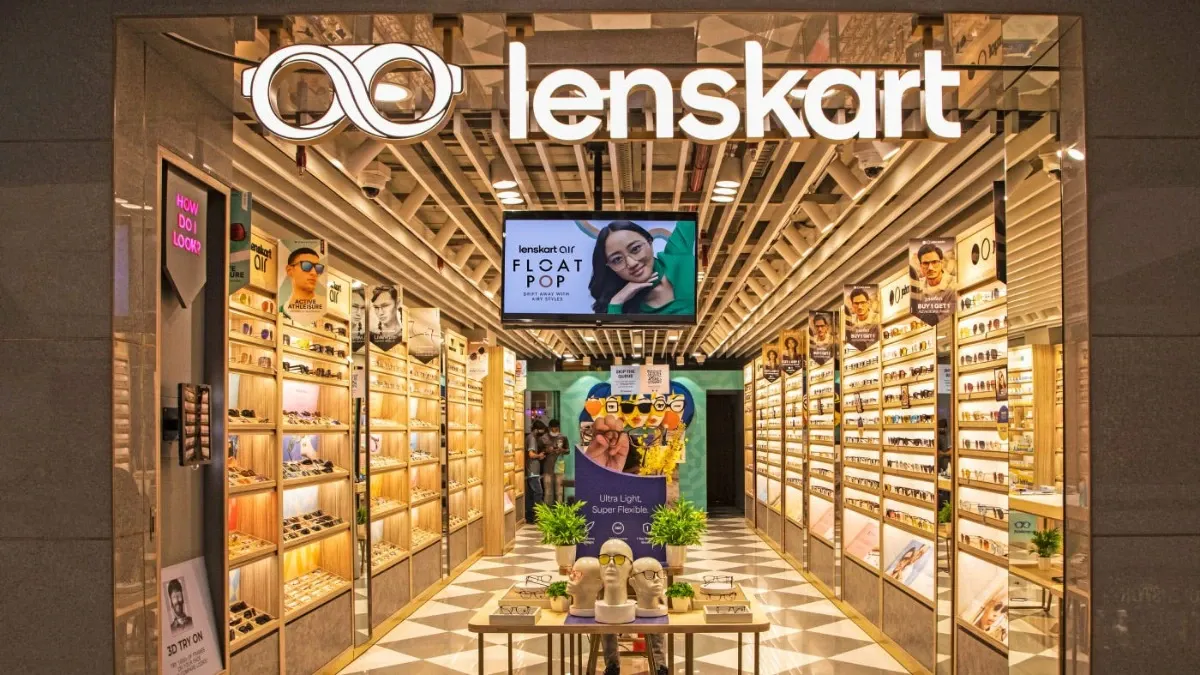
Lenskart’s marketing goals have consistently focused on customer acquisition, building brand recall, and repositioning eyewear as a fashion-forward product rather than just a medical necessity.

Learn Digital Marketing for FREE

Marketing Objective or Business Challenge
Lenskart’s biggest challenge was transforming eyewear from a utilitarian product to a trendy fashion accessory. To succeed, the brand needed to:
- Gain trust in online eyewear shopping.
- Shift perceptions of eyewear from a functional necessity to a fashion statement.
- Scale quickly while maintaining customer loyalty.
The marketing strategy was centred on three key objectives: customer acquisition, brand recall, and category repositioning.
Buyers Persona:

Rohan Russel
Bangalore
Occupation: Working Profession
Age: 28 - 38 year old
Motivations
- Wants eyewear that is trendy yet affordable
- Prefers eyewear with attractive features like AI try-ons
Interests & Hobbies
- Following fashion and lifestyle trends on Instagram and YouTube
- Exploring tech-enabled shopping tools
- Watching influencer content and product hauls
Pain Points
- Confused by too many options available online
- Concerned about frame quality and durability
- Frustrated with complex return or replacement processes
- Sometimes skeptical about weather products look the same in real life
Social Media Presence
- YouTube
- Snapchat
Marketing Channels Used by Lenskart
Main Channels for Marketing:
Digital Marketing: SEO, SEM, social media marketing, content marketing, and influencer marketing.
Traditional Marketing: TV ads, print media, outdoor campaigns, and offline events.
Digital Marketing
- Lenskart has invested heavily in digital marketing through SEO, SEM, and content marketing to engage with its audience across various digital platforms.
- The brand leverages a mobile-first design and focuses on keywords like “eyeglasses,” “sunglasses,” and “computer glasses.”
Traditional Marketing
- While Lenskart has a strong digital presence, it also embraces traditional marketing methods.
- It utilises TV commercials and outdoor advertisements to enhance brand visibility, particularly in regions with limited online penetration.
Lenskart Marketing Strategy Breakdown
Digital Marketing:
- SEO & SEM: As of June 2025, Lenskart’s website had 4.11 million organic search visits. The brand combined SEO with search engine marketing, Google Shopping ads, and retargeting.
- Content Strategy: Lenskart’s content strategy focuses on educational content like eye care tips, fashion guides, and product discovery. Video content plays a key role, making up 43% of its social media posts.
Influencer Partnerships & Brand Collaborations:
- Lenskart has partnered with Katrina Kaif, Karan Johar, and influencers like Bhuvan Bam to increase its fashion credibility.
- Campaigns like #KaranVsPeyush brought humour and product education together, engaging the audience and promoting interaction.
Social Media Marketing:
- Lenskart’s social media strategy is heavily focused on Instagram and YouTube, which together drive the majority of its traffic. Their YouTube channel leads with 53.4% of social traffic, followed by Facebook and Instagram.
App Marketing & Push Notifications:
- Lenskart uses personalised push notifications and email marketing to keep customers engaged.
- This includes tailored offers, product recommendations, and abandoned cart reminders, driving repeat business.
Media Mix (Performance vs Organic):
- Lenskart utilises a balanced approach, combining paid (SEM, Google Ads) and organic channels (SEO, content marketing) to drive traffic.
- The brand’s organic traffic continues to grow as a result of its focus on content and SEO.
Messaging and Tone of Voice:
- Lenskart’s tone is witty, clever, and style-conscious, while maintaining authority on topics like eye health.
- This approach enables the brand to connect with its audience on a personal level while ensuring its expertise remains unquestioned.
Results & Impact
Website Visitors: 8.67 million visitors in June 2025, with a 24K increase in visitors from the previous month.
Rankings: Lenskart ranked #1 in India for the keyword "Lenskart" with 331K visitors.
Brand Value: ₹37,000+ crore, reflecting the growing value of the brand.
Global Ranking: Improved from 6,186 to 5,575 within three months.
Consumer Growth: From 30 daily consumers in the early days to 3,000+ daily consumers today.
What Worked & Why
- AI Virtual Try-On: Solved customer indecision in online eyewear shopping.
- Omni-Channel Strategy: Combining online and offline retail boosted customer trust.
- Influencer Marketing: Collaborating with popular celebrities and influencers positioned eyewear as a trendy fashion accessory.
- Promotions: The “First Frame Free” campaign helped Lenskart expand its reach.
What Didn’t Work & Why
While Lenskart’s marketing strategies were largely successful, there were challenges with paid traffic:
- Paid traffic dropped by 11% in June 2025, indicating a potential issue with the landing pages or user experience.
- The bounce rate increased, and pages per session decreased, suggesting the need for further optimisation.
IIDE Student Recommendations: Key Areas for Brand Improvement
Focus on Organic SEO:
- Update older blog posts with fresh, high-quality content to maintain relevance and improve search engine rankings.
- Incorporate schema markup to enhance the visibility of product pages and blog posts, improving click-through rates from search engine results.
- Use niche long-tail keywords to capture more specific and relevant search traffic, targeting customers with clear buying intent.
Diversify Influencer Partnerships:
- While celebrity endorsements help elevate brand visibility, partnering with micro-influencers can bring a personal touch, making the brand more relatable to niche audiences.
- Micro-influencers typically have higher engagement rates, allowing for more authentic content that resonates deeply with their followers.
- Look for influencers who align with the brand's values, as this can enhance trust and drive stronger customer loyalty.
Leverage User-Generated Content:
- Feature customer reviews, selfies, and testimonials prominently on product pages to build social proof, encouraging potential buyers to make purchase decisions.
- Share user-generated content across social media channels, turning satisfied customers into brand advocates.
- Engage with users who share content by commenting, reposting, or giving them a platform to share their experiences, fostering a community around the brand.
Enhance Offline + App Synergy:
- Use QR codes in physical stores, linking customers to exclusive app-only deals or content, creating a seamless experience that drives both offline and online engagement.
- Offer in-store promotions or discounts for customers who download and use the app, encouraging further integration of both platforms.
- Create in-store pick-up options for online orders to increase app adoption and promote cross-channel shopping convenience.
Expand Rewards Programs:
- Enhance Lenskart Gold with additional perks like personalised style consultations, where customers can interact with experts for tailored eyewear suggestions.
- Offer exclusive early access to product launches or members-only sales, making the rewards program more appealing to loyal customers.
- Include gamified elements in the rewards program, such as earning points for actions like sharing on social media or referring friends, to increase customer engagement.
International Strategy:
- Tailor campaigns to specific global markets by adapting messaging, language, promotions, and pricing to meet the cultural and economic needs of local audiences.
- Utilise local influencers to enhance brand credibility and trust in new markets, showcasing products in a manner that resonates with regional audiences.
- Consider offering region-specific products or bundles that appeal to local preferences or trends, giving the brand a unique edge in international markets.
Want to Know Why 5,00,000+ Students Trust Us?
Dive into the numbers that make us the #1 choice for career success


MBA - Level
Post Graduate in Digital Marketing & Business Strategy

Best For
Fresh Graduates

Mode of Learning
On Campus (Mumbai & Delhi)

Starts from
May 29, 2026

Duration
11 Months
Live & Online
Advanced Online Digital Marketing Course
Best For
Working Professionals
Mode of Learning
Online
Starts from
Apr 22, 2026
Duration
4-6 Months

Online
Professional Certification in AI Strategy
Best For
AI Enthusiasts
Mode of Learning
Online
Duration
5 Months
Offline
Undergraduate Program in Digital Business & Entrepreneurship
Best For
12th Passouts
Mode of Learning
On Campus (Mumbai)
Duration
3 Years
Recent Post

Aditya Shastri

Lead Trainer & Business Development Head at IIDE
Aditya Shastri leads the Business Development segment at IIDE and is a seasoned Content Marketing expert. With over a decade of experience, Aditya has trained more than 20,000 students and professionals in digital marketing, collaborating with prestigious institutions and corporations such as Jet Airways, Godrej Professionals, Pfizer, Mahindra Group, Publicis Worldwide, and many others. His ability to simplify complex marketing concepts, combined with his engaging teaching style, has earned him widespread admiration from students and professionals alike.
Aditya has spearheaded IIDE’s B2B growth, forging partnerships with over 40 higher education institutions across India to upskill students in digital marketing and business skills. As a visiting faculty member at top institutions like IIT Bhilai, Mithibai College, Amity University, and SRCC, he continues to influence the next generation of marketers.
Apart from his marketing expertise, Aditya is also a spiritual speaker, often traveling internationally to share insights on spirituality. His unique blend of digital marketing proficiency and spiritual wisdom makes him a highly respected figure in both fields.