Newly Launched: Post Graduation Program in Digital Marketing & Business Strategy.

Students Centric
Placements Report
Trackable results, real numbers
Reviews
Proven success, real voices
Trainers
Expert-led, Industry-Driven Training
Life at IIDE
Vibrant Spirit student life
Alumni
Successful Journeys, Inspiring Stories
Learning Centre
Webinars
Blogs
Case studies
Live, Interactive Masterclasses
Fresh Insights, quick reads
Real-life, Industry relevant
More
Hire from us
Hire Top Digital Marketing Talent
Work with us
Join Our Team, Make an Impact
Customised Training
Personalised digital marketing training for your company
Refer & earn
Simple, easy rewards
Contact us
Get the answers you need
About us
Know more about IIDE
Explore all course options

FOR FRESH GRADUATES
Post Graduation Program in Digital Marketing & Business Strategy- Ideal for Age: 20–25 Years

Can’t decide? Explore all our
Digital Marketing CoursesTrending

Professional Certification in AI Strategy
- Ideal for AI Enthusiast









Orginally Written by Aditya Shastri
Updated on Sep 30, 2025
Share on:
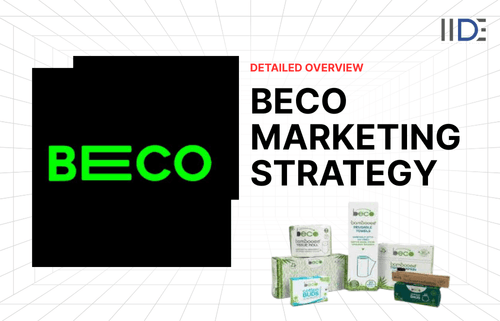
Beco, founded in 2018 in Mumbai by Aditya Ruia, Anuj Ruia, and Akshay Varma, is a trailblazing eco-conscious brand offering bamboo-based home, kitchen, and personal care products. Their sustainable product lineup consists of bamboo toothbrushes and biodegradable garbage bags, to natural dish scrubbers and laundry detergent sheets. This aims to reduce single-use plastic consumption while delivering effective, affordable, and convenient alternatives.
Before diving into the article, I’d like to inform you that the research and initial analysis for this piece were conducted by Aarti Dabholkar. She is a current student in IIDE's Online Digital Marketing course (February 2025 Batch).
If you found this helpful, feel free to reach out to Aarti Dabholkar to send a quick note of appreciation for her fantastic research – she’ll appreciate the kudos!
About Beco
Beco’s ethos is captured in their tagline: “Bamboo-based, eco‑friendly, affordable home care & kitchen care products. Let us all B‑eco together.
Their mission is to educate consumers about zero-waste living, environmental safety, and health, all wrapped in minimalist, modern packaging and plastic-free materials.

Learn Digital Marketing for FREE

Marketing Objective or Business Challenge
As a pioneer in sustainable home and kitchen care, Beco's primary business challenge lies in scaling its eco-friendly product line beyond a niche audience while navigating the price-sensitive Indian market. While urban millennials are increasingly eco-aware, the mass market still prioritises affordability and convenience over sustainability.
Beco faces three key challenges:
- Behavioural Shift Barrier: Encouraging consumers to replace long-standing plastic habits with biodegradable alternatives requires continuous education and trust-building.
- Value vs. Cost Perception: Sustainable products are often perceived as expensive or less effective; Beco must justify value without compromising price competitiveness.
- Market Penetration: Expanding from Tier 1 cities to Tier 2/3 regions is constrained by limited offline visibility and eco-literacy in these areas.
The brand’s marketing objective is to mainstream sustainability by making eco-products not just a lifestyle choice but an everyday norm, accessible, aspirational, and affordable.
Marketing Channels Used by Beco
Beco adopted a multi-pronged marketing approach to position itself as a trusted and affordable eco-friendly brand for everyday home care needs.
On the digital front, they focused on:
- SEO and content marketing via blogs and product pages to educate consumers on eco-living and increase organic visibility.
- Amazon Ads and product SEO to gain prominent placement and drive high-intent shoppers toward their sustainable alternatives.
- Social media marketing, especially on Instagram, to showcase product benefits, sustainability tips, and behind-the-scenes processes.
- Influencer collaborations with eco-conscious content creators, zero-waste lifestyle advocates, and green living bloggers to build trust and credibility among their niche audience.
To amplify brand visibility, Beco also gained media coverage in platforms like YourStory, CNBC TV18, and Times of India, highlighting its mission and eco-innovation.
From a sales perspective, Beco primarily focused on a direct-to-consumer (D2C) model through its website while also expanding its presence on e-commerce marketplaces like Amazon, Flipkart, and BigBasket and Quick retail platforms like
Zepto, Swiggy Instamart, Blinkit. Limited offline placements in select organic and eco-lifestyle stores further helped them reach eco-conscious buyers.
This omni-channel strategy enabled Beco to not only spread awareness but also educate the market, drive conversions, and strengthen its presence in India’s growing sustainable product space.
Beco Marketing Strategy Breakdown
1. Content Marketing & SEO
Beco’s digital foundation is built on educating consumers about sustainable alternatives through purposeful content marketing and SEO.
They regularly publish blog posts and website content that demystify eco-terms, explain product benefits, and guide users on sustainable swaps (e.g., “Why Bamboo Toothbrushes are Better Than Plastic Ones”). This helps them target both awareness and transactional keywords, such as:
- Eco-friendly dishwashing products
- Biodegradable garbage bags India
- Bamboo kitchen essentials
They’ve also focused on optimizing product descriptions on both their D2C site and marketplaces like Amazon, making sure keywords are embedded naturally while showcasing USPs like compostability, toxin-free materials, and zero plastic packaging.
Internally, Beco maintains a clean site structure with optimized page speed and mobile usability, aiding their organic traffic growth and conversion on mobile-first users.
2. Influencer Marketing
Beco’s influencer strategy centers around trust-building and authenticity, tapping into creators who live the values of minimalism, eco-consciousness, and zero-waste lifestyles.
They collaborated with:
- Eco-living YouTubers
- Zero-waste lifestyle influencers on Instagram
- Sustainable product reviewers on reels and IGTV
These influencers shared real-life use cases, tutorials, and honest reviews, making Beco’s products more relatable and accessible to their followers.
What worked especially well was the visual storytelling—how Beco’s sleek, minimalist products fit seamlessly into modern homes while offering an environmental benefit. This resonated strongly with Gen Z and millennial urban audiences looking to make conscious choices without compromising on design.
3. Performance Marketing & Marketplace Strategy
Beco leveraged performance marketing across Amazon and D2C retargeting to reach buyers actively searching for sustainable alternatives.
Key components included:
- Amazon Sponsored Products & Brand Ads to drive visibility and conversions
- Google Search Ads targeting keywords like “eco-friendly home care India” or “biodegradable garbage bags online”
- Retargeting via Meta Ads focused on cart abandoners and product viewers from their website
Their marketplace strategy especially on Amazon and Flipkart was complemented by review generation, SEO-friendly product listings, and deal placements to stay competitive.
4. Messaging & Brand Voice
Beco’s messaging is grounded in simplicity, sustainability, and solution-first thinking. Their brand voice is calm, modern, and helpful designed to empower people to live more consciously, one small switch at a time.
Their tagline “Let us all B-eco together” summarizes their inclusive mission.
Across all channels, Beco consistently emphasizes:
- Ease of switching from plastic to eco alternatives
- Minimalist design that complements modern homes
- Impact-driven choices every Beco product helps reduce plastic waste
- Affordability with sustainability
They avoid preaching or guilt-tripping and instead communicate with positive reinforcement -“Small changes, big impact.”
Results & Impact
Beco’s marketing strategy has shown meaningful traction over time, especially in the eco-conscious consumer segment.
Here are some of the key highlights and results:
- Sold over 2 million eco-friendly products across categories like kitchen rolls, toothbrushes, and garbage bags—showing strong product-market fit in the sustainable FMCG space.
- Bounce rate reduced by over 20%, indicating improved site engagement through clear communication and mobile optimization.
- Monthly website traffic crossed 40K, with approximately 35% coming from organic search—a testament to their SEO and content efforts.
- Built high-authority backlinks from platforms like YourStory, CNBC TV18, and The Better India, boosting their search visibility and brand credibility.
- Their Instagram engagement grew steadily, driven by influencer collaborations, sustainable living reels, and behind-the-scenes stories.
- User-generated content featuring unboxing videos, eco-tips, and home aesthetics with Beco products created authentic brand buzz.
- On Amazon, Beco’s product ratings consistently remain above 4.2 stars, helping drive repeat purchases and positive word-of-mouth.
This balanced mix of educational content, influencer marketing, and marketplace optimization helped Beco evolve from a niche startup to a mainstream sustainable brand in India’s conscious consumer market.
What Worked & Why
Clear Value Proposition in Sustainability:
- Positioned sustainability as both a necessity and a fashionable alternative, appealing to eco-conscious millennials and Gen Z while maintaining affordability.
Multi-Channel Marketing Approach:
- Combined digital marketing, influencer partnerships, and marketplace optimization to build brand awareness and drive conversions across various platforms.
Influencer Marketing Success:
- Collaborated with eco-living influencers and lifestyle bloggers, ensuring authenticity and tapping into an engaged community of eco-conscious consumers.
High-Quality Product Listings on E-Commerce Platforms:
- Optimized product listings on Amazon and Flipkart with SEO-rich descriptions, reviews, and high-quality images, improving visibility and driving higher sales.
Educational Content & Consumer Engagement:
- Provided value-driven content on sustainability and zero-waste living, establishing Beco as a thought leader in the eco-friendly space, driving organic visibility.
What Did Not Work & Why
Limited Offline Presence:
- Beco’s offline presence was confined to niche organic and eco-lifestyle stores, limiting exposure to a broader audience, especially in Tier 2 and Tier 3 cities.
Price Sensitivity in Tier 2/3 Cities:
- Struggled to overcome the perception that sustainable products are expensive, particularly in price-sensitive markets where affordability is a priority.
Over-Reliance on Organic Social Media Traffic:
- Focused mainly on Instagram for visibility, limiting reach. Expanding to platforms like TikTok and Pinterest could have enhanced engagement and visibility among broader audiences.
Underdeveloped Email Marketing:
- Lack of a robust email marketing strategy to nurture leads and drive repeat purchases. Personalizing emails and automating campaigns could improve conversions and retention.
Slow Website Optimization:
- Technical issues like slow load times and mobile responsiveness hindered user engagement and conversions, especially given the mobile-first nature of the Indian market.
IIDE Student Recommendations: Key Areas for Brand Improvement
Website SEO Enhancement
Beco’s website requires a stronger SEO foundation to improve organic visibility and ranking:
- Optimize on-page elements like title tags, meta descriptions, alt text, and heading structures.
- Address technical issues such as slow page load times, broken links, mobile responsiveness, and schema markup.
- Strengthen internal linking to pass link equity from blogs to product/category pages and reduce bounce rate.
Content Frequency & Depth
- Increase the volume and consistency of blog posts targeting high-intent and informational keywords.
- Expand educational content such as “eco-friendly alternatives for daily use,” “how-to guides,” and product comparison articles.
- Integrate SEO best practices to rank for long-tail and seasonal search terms.
Smarter Email Marketing
Beco can level up its email strategy through personalized automation based on customer behavior and purchase history.
- Send tailored emails like “Running low on kitchen rolls?” or “Make your home festive-ready with eco-decor.”
- Use browsing history and past orders to recommend product bundles or new launches.
- Automate reminders for repurchasing consumables (like garbage bags or dish scrubbers) to drive retention.
- Launch festive and seasonal campaigns with sneak peeks, eco-gifting guides, or sustainable Diwali checklists.
Offline Visibility through Retail Collaborations
Beco’s offline presence is limited. Expanding physical touchpoints can create new opportunities to engage curious customers:
- Host pop-up stalls at schools, college fests, apartment societies, farmers markets, or lifestyle exhibitions.
- Partner with eco-lifestyle cafés, refill stores, or curated pop-up events in metro and Tier 2 cities.
- Create in-store visibility with experience-led displays to explain the impact of plastic-free living.
Localized Influencer Strategy
- Expand influencer collaborations to include regional creators who can communicate in local languages.
- This helps reach price-sensitive audiences in Tier 2/3 cities who trust familiar faces and relatable content.
Conversion-Focused Optimizations
- Introduce time-bound offers, beginner bundles, or trial-size kits for new users.
- Add trust-building signals on product pages like customer reviews, eco-certifications, and usage videos.
- A/B test different CTA formats (“Shop Now” vs. “Start Your Eco Switch”) for better conversion.
User Experience Enhancements
- Refine website navigation and implement filters (e.g., by use-case, material, or room type).
- Add tools like a “Sustainable Starter Quiz” to help users discover their ideal product set.
- Simplify checkout, add UPI support, and integrate quick FAQs on product pages to reduce friction.
Advanced Analytics & Retargeting
- Use heatmaps and scroll data (via tools like Hotjar or Clarity) to optimize content layout and flow.
- Launch dynamic retargeting campaigns on Meta and Google to bring back visitors who showed purchase intent.
- Track engagement patterns to identify top-converting categories and amplify those through targeted campaigns.
Want to Know Why 5,00,000+ Students Trust Us?
Dive into the numbers that make us the #1 choice for career success


MBA - Level
Post Graduate in Digital Marketing & Business Strategy

Best For
Fresh Graduates

Mode of Learning
On Campus (Mumbai & Delhi)

Starts from
May 29, 2026

Duration
11 Months
Live & Online
Advanced Online Digital Marketing Course
Best For
Working Professionals
Mode of Learning
Online
Starts from
Apr 6, 2026
Duration
4-6 Months

Online
Professional Certification in AI Strategy
Best For
AI Enthusiasts
Mode of Learning
Online
Duration
5 Months
Offline
Undergraduate Program in Digital Business & Entrepreneurship
Best For
12th Passouts
Mode of Learning
On Campus (Mumbai)
Duration
3 Years
Recent Post

Aditya Shastri

Lead Trainer & Business Development Head at IIDE
Aditya Shastri leads the Business Development segment at IIDE and is a seasoned Content Marketing expert. With over a decade of experience, Aditya has trained more than 20,000 students and professionals in digital marketing, collaborating with prestigious institutions and corporations such as Jet Airways, Godrej Professionals, Pfizer, Mahindra Group, Publicis Worldwide, and many others. His ability to simplify complex marketing concepts, combined with his engaging teaching style, has earned him widespread admiration from students and professionals alike.
Aditya has spearheaded IIDE’s B2B growth, forging partnerships with over 40 higher education institutions across India to upskill students in digital marketing and business skills. As a visiting faculty member at top institutions like IIT Bhilai, Mithibai College, Amity University, and SRCC, he continues to influence the next generation of marketers.
Apart from his marketing expertise, Aditya is also a spiritual speaker, often traveling internationally to share insights on spirituality. His unique blend of digital marketing proficiency and spiritual wisdom makes him a highly respected figure in both fields.