Newly Launched: Post Graduation Program in Digital Marketing & Business Strategy.

Students Centric
Placements Report
Trackable results, real numbers
Reviews
Proven success, real voices
Trainers
Expert-led, Industry-Driven Training
Life at IIDE
Vibrant Spirit student life
Alumni
Successful Journeys, Inspiring Stories
Learning Centre
Webinars
Blogs
Case studies
Live, Interactive Masterclasses
Fresh Insights, quick reads
Real-life, Industry relevant
More
Hire from us
Hire Top Digital Marketing Talent
Work with us
Join Our Team, Make an Impact
Customised Training
Personalised digital marketing training for your company
Refer & earn
Simple, easy rewards
Contact us
Get the answers you need
About us
Know more about IIDE
Explore all course options

FOR FRESH GRADUATES
Post Graduation Program in Digital Marketing & Business Strategy- Ideal for Age: 20–25 Years

Can’t decide? Explore all our
Digital Marketing CoursesTrending

Professional Certification in AI Strategy
- Ideal for AI Enthusiast










Orginally Written by Aditya Shastri
Updated on Sep 19, 2025
What if a toothbrush could be more than just a toothbrush? Bamboo India set out to prove exactly that. Founded in 2016, this Pune-based startup is changing how India thinks about sustainability one bamboo product at a time. From humble beginnings with bamboo toothbrushes to a full range of eco-friendly essentials, Bamboo India has sparked a green revolution using modern marketing tools.
Through Instagram reels, micro-influencers, relatable storytelling, and SEO-optimized content, the brand speaks directly to environmentally conscious millennials and Gen Z consumers. But this isn’t just about selling products it’s about driving a movement toward a plastic-free lifestyle.
Before diving into the marketing strategy of Bamboo India, I’d like to inform you that the research and initial analysis for this piece were conducted by Anshika Tyagi, a student in IIDE's Online Digital Marketing course (March 2025 Batch).
If you found this case study on Bamboo India’s marketing strategy, feel free to reach out to Anshika Tyagi on Linkedin to send a quick note of appreciation for her fantastic research.
About the Brand
Bamboo India was founded by Yogesh Shinde in 2016 with a clear mission: to replace plastic with planet-friendly alternatives. It began with a single bamboo toothbrush but quickly grew into a full-fledged eco-lifestyle brand. Today, Bamboo India's product range includes earbuds, razors, straws, pens, and sustainable gift hampers.
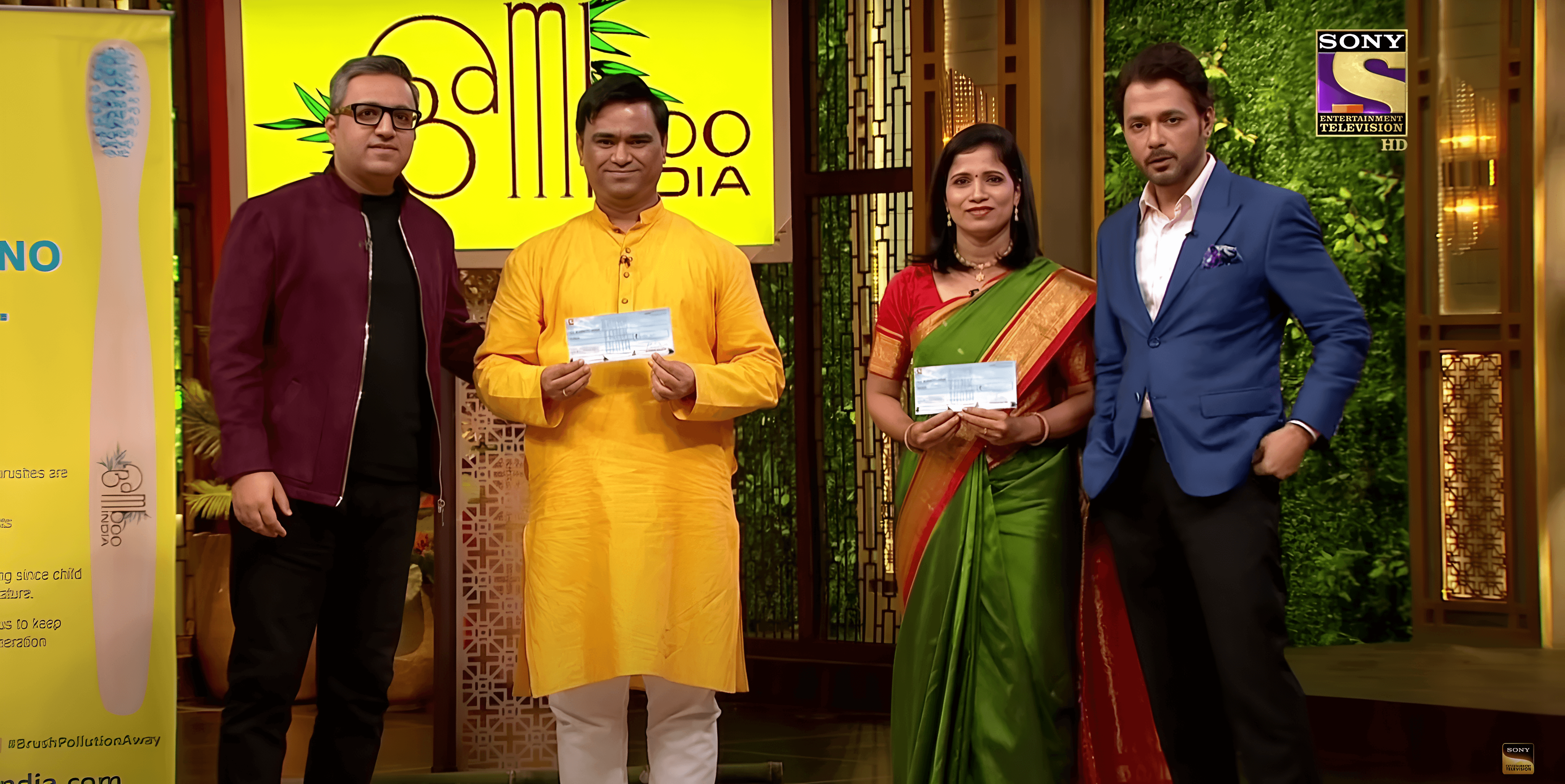
The company runs on a Direct to Consumer (D2C) model via its website, with strong marketplace presence on Amazon and Flipkart. It also caters to corporate gifting and export markets. More than a business, Bamboo India is a social enterprise committed to environmental impact and rural employment through local manufacturing.

Want to achieve results like Bamboo India?
Join our Digital Marketing Masterclass and learn the exact strategies in just 45 mins.

Marketing Objective or Business Challenge
1. Consumer Perception:
Most buyers believed bamboo products were fragile, expensive, and hard to maintain. Bamboo India had to change this narrative by showcasing product strength, easy cleaning, and cost-effectiveness over time through demos, durability tests, and real customer stories.
2. Market Confusion:
The sustainability space was crowded with brands making vague “eco-friendly” claims, causing skepticism. Bamboo India focused on transparency by highlighting certifications, supplier stories, and measurable impact helping customers trust that their choice truly makes a difference.
3. Behavioral Inertia
Consumers were deeply habituated to single-use plastics due to convenience. Bamboo India worked to break this habit with low-commitment starter packs, combo bundles, and easy availability in stores making bamboo products the most accessible and logical choice.
Three-Part Marketing Objective
A. Educate
Create awareness around the dangers of plastic pollution and benefits of bamboo alternatives using short videos, infographics, and school/community workshops making sustainability easy to understand and act on.
B. Differentiate
Stand out as an authentic, trustworthy brand by sharing verifiable certifications, impact dashboards, and behind-the-scenes manufacturing processes. Collaborate with credible influencers and educators to build authority and brand loyalty.
C. Prove Value
Highlight affordability and practicality through real-life user stories, side-by-side product comparisons, and long-term savings. Offer exceptional customer support and replacement policies to build confidence in bamboo as a long-term solution.
Buyers Persona:

Roohi Dhawan
Metropolitan Cities
Occupation: Digital Marketing Executive
Age: 28 - 38 year old
Lifestyle
- Eco-conscious urban professional with a minimalist, low-waste mindset
- Chooses natural, cruelty-free, and refillable products
- Prefers brands with transparent sourcing and impact reports
Pain Points
- Skeptical of greenwashing and vague eco claims
- Needs clear pricing, savings math, and simple care instructions
- Overwhelmed by too many “eco” brands and conflicting advice
Needs
- Verified certifications, third-party tests, and clear material specs
- Transparent lifecycle info, end-of-life guidance, and take-back options
- Proof of durability via demos, warranties, and real user reviews
Social Media Presence
- Follows sustainability creators and NGOs on Instagram and LinkedIn
- Skims Reddit and forums for unbiased user feedback
- Watches YouTube reviews and durability tests before purchase
Marketing Channels & Strategies Used by Bamboo India
1. Social Media Marketing
Instagram Reels and posts show simple, everyday swaps to bamboo, often timed with movements like #PlasticFreeJuly. The tone stays educational and uplifting, never scolding. Care tips, quick how-tos, and before-after reels reduce hesitation and drive saves, shares, and profile visits.
2. Influencer Marketing
Bamboo India partners with credible micro creators like @earthycharm and @minimalindia who film real routines at home or work. Their storytelling feels personal, with easy care guidance and price-to-value context. Reposts of UGC, testimonials, and comments threads build social proof and trust.
3. Content Marketing & SEO
Blogs such as “Why Bamboo vs Plastic?” and bite-size newsletters break down materials, costs, and maintenance in plain language. Target terms include “eco friendly gifts India” and “sustainable lifestyle products,” supported by internal links to relevant products. Email flows nurture interest with eco tips, customer stories, and simple comparisons that highlight value.
4. Organic vs Paid Media
Roughly 90% of it's growth comes from organic reach and community engagement. Paid is used in short, well-timed bursts during festivals, with Instagram and Google retargeting that averages about 4:1 ROAS. Creatives mirror seasonal use cases, while small budgets focus on warm audiences and cart abandoners.
5. Brand Voice & Messaging
The voice is practical and inspiring, focused on small habit changes that add up. Messaging emphasizes transparency, durability, and affordability over buzzwords, with content in English and Hindi to widen access. Clear proof points help close doubt gaps: third-party validations, warranties, and care instructions that show bamboo lasts.
Results & Impact
Bamboo India turned into a national brand with remarkable results:
- Revenue: ₹5 crore in FY 2023-24 with ₹1.2 crore profit
- Plastic Waste Reduction: Over 100,000 kg eliminated
- Social Impact: Local employment and rural manufacturing
- Media Boost: Shark Tank India appearance increased brand visibility
But perhaps their biggest win? Encouraging thousands to make small lifestyle changes with big environmental impacts.
What Worked & Why
- Product-Purpose Fit: Every product carried a clear environmental message
- Authentic Influencer Content: Relatable stories over flashy promotions
- Educational Storytelling: Blogs and Reels simplified complex ideas
- Habit-Focused Campaigns: Emphasized small changes over hard sells
What Didn’t Work & Why
- Urban-Centric Reach: Tier-2/3 markets remained under-targeted
- Heavy Instagram Reliance: Missed opportunities in SEO and YouTube
- No Loyalty Program: No gamification or incentives for repeat purchases
Recommendations & Future Strategies
1. SEO Diversification:
Bamboo India should expand its SEO strategy by targeting niche, long-tail keywords like "bamboo toothbrush for sensitive gums" and "plastic-free bathroom essentials" to capture high-intent consumers and improve search rankings.
2. Regional Language Campaigns:
By launching campaigns in regional languages like Hindi, Marathi, or Tamil, Bamboo India can connect with a broader audience in Tier 2 and Tier 3 cities, making sustainability more accessible and relatable.
3. Gamification and Rewards:
Introducing a "Plastic Saved" tracker and eco-points system will engage customers, encouraging repeat purchases and rewarding eco-conscious behaviors, fostering long-term loyalty.
4. Expand B2B:
Bamboo India can tap into the corporate gifting market by offering sustainable gift options like bamboo pens and toothbrushes, building partnerships with businesses committed to sustainability and boosting brand visibility.
5. Collaborations & Partnerships:
Collaborating with other eco-friendly brands or businesses focused on CSR initiatives will help Bamboo India increase exposure, create strategic alliances, and expand its reach in the B2B market.
Want to Know Why 2,50,000+ Students Trust Us?
Dive into the numbers that make us the #1 choice for career success


Courses Recommended for you
Live & Online
Advanced Online Digital Marketing Course

Best For
Working Professionals

Mode of Learning
Online

Starts from
Apr 6, 2026

Duration
4-6 Months

Online
Professional Certification in AI Strategy
Best For
AI Enthusiasts
Mode of Learning
Online
Duration
5 Months
Offline
Undergraduate Program in Digital Business & Entrepreneurship
Best For
12th Passouts
Mode of Learning
On Campus (Mumbai)
Duration
3 Years
Recent Post

Aditya Shastri

Lead Trainer & Business Development Head at IIDE
Aditya Shastri leads the Business Development segment at IIDE and is a seasoned Content Marketing expert. With over a decade of experience, Aditya has trained more than 20,000 students and professionals in digital marketing, collaborating with prestigious institutions and corporations such as Jet Airways, Godrej Professionals, Pfizer, Mahindra Group, Publicis Worldwide, and many others. His ability to simplify complex marketing concepts, combined with his engaging teaching style, has earned him widespread admiration from students and professionals alike.
Aditya has spearheaded IIDE’s B2B growth, forging partnerships with over 40 higher education institutions across India to upskill students in digital marketing and business skills. As a visiting faculty member at top institutions like IIT Bhilai, Mithibai College, Amity University, and SRCC, he continues to influence the next generation of marketers.
Apart from his marketing expertise, Aditya is also a spiritual speaker, often traveling internationally to share insights on spirituality. His unique blend of digital marketing proficiency and spiritual wisdom makes him a highly respected figure in both fields.