Newly Launched: Post Graduation Program in Digital Marketing & Business Strategy.

Students Centric
Placements Report
Trackable results, real numbers
Reviews
Proven success, real voices
Trainers
Expert-led, Industry-Driven Training
Life at IIDE
Vibrant Spirit student life
Alumni
Successful Journeys, Inspiring Stories
Learning Centre
Webinars
Blogs
Case studies
Live, Interactive Masterclasses
Fresh Insights, quick reads
Real-life, Industry relevant
More
Hire from us
Hire Top Digital Marketing Talent
Work with us
Join Our Team, Make an Impact
Customised Training
Personalised digital marketing training for your company
Refer & earn
Simple, easy rewards
Contact us
Get the answers you need
About us
Know more about IIDE
Explore all course options

FOR FRESH GRADUATES
Post Graduation Program in Digital Marketing & Business Strategy- Ideal for Age: 20–25 Years

Can’t decide? Explore all our
Digital Marketing CoursesTrending

Professional Certification in AI Strategy
- Ideal for AI Enthusiast










Orginally Written by Aditya Shastri
Updated on Dec 12, 2025
Share on:


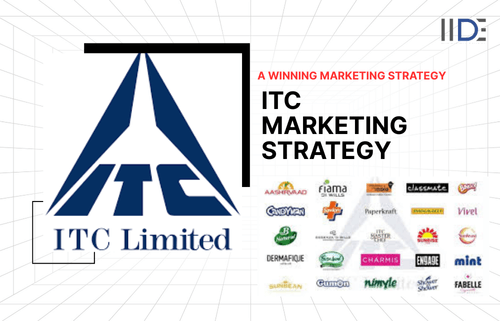
ITC's marketing strategy is a customer-centric approach that focuses on innovation, segmentation, distribution, and social responsibility, leveraging a diversified brand portfolio to create value for both consumers and stakeholders.
Key elements include targeted branding for specific segments, strong distribution reach, digital and multi-channel promotion, brand extensions, and strategic partnerships with brand ambassadors.
Before diving into the article, I’d like to inform you that the research and initial analysis for this piece were conducted by Riya Phodkar. She is a current student in IIDE’s PG In Digital Marketing & Strategy (March 2025 Batch).
If you found this helpful, feel free to reach out to Riya to send a quick note of appreciation for her fantastic research – she’ll appreciate the kudos!
About ITC
Founded in 1910 as the Imperial Tobacco Company, ITC has evolved into a diversified conglomerate, impacting various facets of Indian life.
Today, ITC operates across industries including FMCG, hospitality, agri-business, packaging, and IT services.
From Aashirvaad and Sunfeast in the kitchen to ITC Hotels and ITC Infotech, the brand’s presence is vast and growing.
ITC’s marketing strategy focuses heavily on digital platforms, using social media and online campaigns to connect with consumers across diverse categories.
The company also invests in sustainability and innovative packaging, positioning itself as a forward-thinking, eco-conscious brand.

Learn Digital Marketing for FREE

Marketing Objective or Business Challenge
Despite a strong product portfolio and deep market presence, ITC faces several challenges in its transformation journey.
The brand operates in a highly competitive FMCG landscape, where global giants and agile D2C startups dominate consumer attention and trust.
Key challenges include:
- Low Master Brand Visibility: ITC’s corporate identity remains disconnected from consumer perception.
- Brand Fragmentation: Multiple sub-brands dilute recall and emotional association with ITC as a parent company.
- Competitive Brand Recall: Rivals like Tata, Nestlé, and P&G enjoy stronger recognition across categories.
- Cultural Disconnect: ITC’s legacy in tobacco overshadows its FMCG transformation for some consumers.
- Digital Engagement Gaps: Friction on digital platforms, fragmented storytelling, and limited rural access slow initiatives like UNNATI and ITCMAARS.
The goal of ITC’s marketing strategy is repositioning and building trust through purpose-driven campaigns, SEO, influencer-led content, and AI-powered activations like #MyFantasyAdWithSRK, while promoting plant-based innovation to appeal to modern, conscious consumers.
Marketing Channels Used by ITC
1. Digital Marketing
ITC leverages digital platforms to engage with its audience and build brand awareness.
- SEO (Search Engine Optimisation) and SEM (Search Engine Marketing) are used to increase visibility in search results and drive organic traffic.
- Social Media: ITC utilises platforms such as Instagram, Facebook, and Twitter to engage with consumers, share campaigns, and connect with its audience.
- Influencer Partnerships: Collaborations with influencers enable the brand to connect with modern consumers, particularly younger audiences.
- AI-Powered Campaigns: ITC utilises AI for targeted advertising, enhancing personalised content delivery.
- Content Marketing: ITC creates educational and informative content, such as blogs, videos, and other digital assets.
- Email Marketing: Sending personalised offers and updates to their audience via email.
2. Performance Marketing
ITC invests in data-driven marketing strategies for high-return campaigns.
- Google Ads and YouTube Ads: Targeted ads that drive traffic to their website or promote products during high-visibility moments.
- Social Media Ads: Paid campaigns on social media platforms to engage specific customer segments.
3. Influencer & Creator Marketing
ITC collaborates with influencers and creators to build trust and engage their audience.
- Campaigns like #MyFantasyAdWithSRK leverage celebrity power and influencer networks to increase brand visibility and emotional connection with the audience.
4. Traditional Marketing
Despite focusing on digital, ITC still uses traditional marketing channels to reach a broader audience.
- TV Ads: Used for mass market reach during prime time.
- Print Media: Ads in newspapers and magazines to build brand awareness.
- Outdoor Campaigns: Billboards and hoardings in strategic locations to ensure visibility.
- Events: Sponsorships or event participation to connect with customers in person.
5. Retail & E-commerce
ITC has both a strong offline retail presence and an online platform to meet consumer needs.
- D2C Platforms: ITC’s own e-commerce websites and apps to sell directly to consumers.
- Partnerships with Marketplaces: ITC also sells through large online retailers like Amazon and Flipkart.
6. Sustainability Marketing
As part of its brand transformation, ITC promotes sustainability through its products.
- Focus on plant-based innovations and clean-label products to appeal to eco-conscious consumers.
ITC Marketing Strategy Breakdown
1. Digital Marketing
- SEO & SEM: ITC employs advanced AI tools like AI Search Grader to enhance organic visibility and optimise paid search campaigns, ensuring top rankings for key product categories.
- Performance Marketing: Utilises Google Ads, YouTube Ads, and social media advertising to target specific demographics, especially during peak shopping seasons.
- AI-Powered Campaigns: Launched #MyFantasyAdWithSRK, integrating generative AI to create personalised ad experiences, leading to increased engagement and brand recall.
2. Content Strategy
- Educational Content: Develops informative content across platforms, focusing on health, wellness, and sustainability, aligning with consumer interests.
- Interactive Formats: Incorporates interactive guides, video series, and podcasts to engage audiences and provide value beyond traditional advertising.
- Localized Content: Tailors content to regional preferences, ensuring cultural relevance and deeper connection with diverse consumer segments.
3. Influencer & Brand Partnerships
- Influencer Collaborations: Partners with both macro and micro-influencers to promote products, leveraging their reach and credibility to build trust.
- Brand Alliances: Forms strategic partnerships with like-minded brands to co-create campaigns, expanding reach and enhancing brand equity.
- Virtual Influencers: Explores the use of AI-generated influencers to engage tech-savvy audiences and stay ahead of digital trends.
4. Social Media Marketing
Platform Strategy:
- Instagram & YouTube: Focus on visual storytelling, product demonstrations, and influencer collaborations.
- Facebook: Shares customer testimonials, community stories, and CSR initiatives.
- Twitter/X: Engages in real-time conversations, trending topics, and customer service interactions.
Campaigns:
- #SavlonProtects: Aimed at promoting hygiene awareness during the pandemic.
- #FiamaGlows: Focused on skincare routines and product benefits.
5. App Marketing & Push Notifications
- Mobile App Engagement: Enhances user experience through personalized content, exclusive offers, and loyalty programs.
- Push Notifications: Sends timely updates about new product launches, seasonal promotions, and personalized recommendations to drive app usage and sales.
6. Email Marketing
- Personalized Campaigns: Delivers tailored content based on user behavior, preferences, and purchase history to increase open rates and conversions.
- Segmentation: Divides the audience into segments such as new customers, repeat buyers, and high-value customers to send relevant messages.
- Automation: Implements automated email flows for welcome series, cart abandonment, and re-engagement to maintain customer interest.
7. Media Mix: Performance vs. Organic
- Performance Marketing: Allocates budget to high-ROI channels like paid search and social media ads, especially during sales events.
- Organic Marketing: Focuses on building long-term brand equity through SEO, content marketing, and influencer partnerships.
- Balanced Approach: Strives for a 60-40 split between performance and organic efforts, adjusting based on campaign objectives and market conditions.
8. Messaging & Tone of Voice
- Brand Voice: Maintains a consistent tone that is trustworthy, approachable, and inclusive, resonating with a broad audience.
Campaign Messaging:
- Aashirvaad: Emphasises authenticity and quality in home-cooked meals.
- Savlon: Focuses on hygiene and protection.
- Fiama: Highlights self-care and confidence.
- Storytelling: Utilises narratives that connect emotionally with consumers, reinforcing brand values and building loyalty.
9. Channel Choices
- Instagram: Prioritised for its visual appeal and influencer collaborations, especially for products like Fiama and Aashirvaad.
- YouTube: Used for long-form content, tutorials, and customer testimonials, providing in-depth product information.
- TV: Continues to be a significant channel for mass reach, particularly during festive seasons and product launches.
- E-commerce Platforms: Strengthens presence on platforms like Amazon and Flipkart to reach a wider audience and boost sales.
Results & Impact
Metrics & Milestones Achieved
- Revenue Growth: ITC reported a consolidated revenue of ₹23,129 crore in Q1 FY26, marking a 19.5% year-on-year increase, driven by strong performances in FMCG and agriculture sectors.
- Profit Margins: The company's consolidated net profit stood at ₹5,343 crore for Q1 FY26, reflecting a 4.9% year-on-year growth.
- Brand Recall: Significant improvement in ITC's brand recall, particularly in the FMCG segment, thanks to targeted digital campaigns and influencer partnerships.
- Market Share: The FMCG segment now contributes to 65% of ITC's total revenue, showing successful diversification from its tobacco business.
Media Coverage
Financial Times highlighted ITC's strategic shift towards FMCG and agriculture, emphasising its resilience amid market challenges.
Business Standard reported on ITC's ₹20,000 crore investment plan to expand manufacturing capabilities and strengthen FMCG margins.
Economic Times covered ITC’s Q1 results, focusing on growth in revenue and profit, and the company’s strategic pivot to non-cigarette businesses.
Consumer Reaction
Positive Feedback: Consumers have expressed appreciation for ITC’s commitment to quality and sustainability, particularly in brands like Aashirvaad and Savlon.
Social Media Engagement: Campaigns like #MyFantasyAdWithSRK garnered significant engagement, with users sharing personalised experiences on Instagram and Twitter.
Customer Reviews: Brands like Fiama and Sunfeast have received favourable reviews for innovation and quality, contributing to increased brand loyalty.
What Worked & Why
Digital-first approach: Strong presence on Instagram, YouTube, and quick-commerce platforms like Blinkit boosted accessibility and engagement. Influencer-led campaigns: Authentic storytelling built emotional trust across diverse audiences.
- SEO & performance marketing: Lowered acquisition costs and improved visibility for new categories.
- Rural trade marketing: Protected volumes during urban slowdowns and reinforced brand trust.
- Sustainability messaging: Platforms like UNNATI and ITCMAARS positioned ITC as purpose-driven
What Didn’t Work & Why
While ITC did well locally, its international presence could have been more substantial. They didn’t focus enough on reaching NRI (Non-Resident Indian) audiences who might connect with the brand, especially in markets like the US, UK, and the Middle East.
The mobile experience was improved, but it still had some issues, such as navigation problems and checkout delays. This likely caused potential customers to abandon their carts before completing a purchase, particularly during high-traffic events like Diwali sales.
ITC also focused mainly on core keywords, missing the opportunity to target broader sustainability-related and health-conscious keywords. By not expanding their keyword strategy, they missed the chance to reach a wider audience, especially younger, health-conscious consumers.
On Shark Tank India, ITC didn’t secure a deal due to concerns over brand perception, legacy baggage (tobacco), and product innovation. The company’s reputation, stemming from its tobacco heritage, overshadowed its FMCG efforts, making it difficult to convince investors about the scalability of its new ventures.
Discover how Hindustan Unilever's 2025 marketing strategy leverages digital innovation, influencer partnerships, and sustainability to strengthen its leadership in India's FMCG sector in this detailed case study.
IIDE Student Recommendations: Key Areas for Brand Improvement
1. Digital Engagement & Social Media Presence
- Influencer Collaborations: Partner with micro-influencers and celebrities who resonate with Gen Z and Millennial consumers. For instance, collaborating with food bloggers to promote products like Aashirvaad or beauty influencers for Fiama can enhance brand visibility.
- Interactive Campaigns: Launch campaigns that encourage user-generated content, such as recipe contests or skincare challenges, to foster community engagement.
- Platform-Specific Content: Tailor content to suit the nuances of each platform. For example, short, engaging videos for Instagram Reels and in-depth tutorials for YouTube can cater to diverse audience preferences.
2. E-commerce Strategy & Mobile Experience
- User Experience Enhancement: Invest in improving website and mobile app interfaces to ensure seamless navigation, faster load times, and intuitive design.
- Personalisation: Implement AI-driven recommendations based on user behaviour and preferences to enhance shopping experiences.
- Multi-Channel Integration: Ensure consistency across all digital touchpoints, integrating online and offline channels for a cohesive customer journey.
3. Brand Perception & Legacy Challenges
- Rebranding Initiatives: Focus marketing efforts on ITC's FMCG and sustainability initiatives, distancing the brand from its tobacco roots.
- Transparency: Communicate the company's commitment to health and wellness through clear messaging and product labelling.
- Community Engagement: Participate in health and wellness events to showcase ITC's dedication to consumer well-being.
4. Sustainability & Packaging Innovations
- Sustainable Packaging: Continue to innovate in packaging solutions, exploring biodegradable materials and reducing plastic usage across product lines.
- Consumer Education: Educate consumers about the importance of sustainable packaging through campaigns and product labelling.
- Partnerships: Collaborate with environmental organisations to enhance credibility and reach in sustainability efforts.
5. International Expansion & NRI Market Engagement
- Targeted Campaigns: Develop marketing strategies that resonate with NRI audiences, highlighting the authenticity and quality of ITC products.
- Localized Offerings: Introduce product variants catering to regional tastes and preferences to appeal to diverse NRI communities.
- Digital Presence: Strengthen online platforms to facilitate easy access and purchasing for international customers.
6. Data-Driven Marketing & Consumer Insights
- Advanced Analytics: Utilise data analytics to gain deeper insights into consumer behaviour and preferences, enabling more targeted marketing efforts.
- Real-Time Feedback: Implement systems to gather and analyse customer feedback in real-time, allowing for agile marketing strategies.
- Personalised Campaigns: Leverage consumer data to create personalised marketing campaigns that resonate with individual preferences.
Want to Know Why 2,50,000+ Students Trust Us?
Dive into the numbers that make us the #1 choice for career success


MBA - Level
Post Graduate in Digital Marketing & Business Strategy

Best For
Fresh Graduates

Mode of Learning
On Campus (Mumbai & Delhi)

Starts from
May 29, 2026

Duration
11 Months
Live & Online
Advanced Online Digital Marketing Course
Best For
Working Professionals
Mode of Learning
Online
Starts from
Apr 6, 2026
Duration
4-6 Months

Online
Professional Certification in AI Strategy
Best For
AI Enthusiasts
Mode of Learning
Online
Duration
5 Months
Offline
Undergraduate Program in Digital Business & Entrepreneurship
Best For
12th Passouts
Mode of Learning
On Campus (Mumbai)
Duration
3 Years
Recent Post

Aditya Shastri
Lead Trainer & Business Development Head at IIDE
Aditya Shastri leads the Business Development segment at IIDE and is a seasoned Content Marketing expert. With over a decade of experience, Aditya has trained more than 20,000 students and professionals in digital marketing, collaborating with prestigious institutions and corporations such as Jet Airways, Godrej Professionals, Pfizer, Mahindra Group, Publicis Worldwide, and many others. His ability to simplify complex marketing concepts, combined with his engaging teaching style, has earned him widespread admiration from students and professionals alike.
Aditya has spearheaded IIDE’s B2B growth, forging partnerships with over 40 higher education institutions across India to upskill students in digital marketing and business skills. As a visiting faculty member at top institutions like IIT Bhilai, Mithibai College, Amity University, and SRCC, he continues to influence the next generation of marketers.
Apart from his marketing expertise, Aditya is also a spiritual speaker, often traveling internationally to share insights on spirituality. His unique blend of digital marketing proficiency and spiritual wisdom makes him a highly respected figure in both fields.