Newly Launched: Post Graduation Program in Digital Marketing & Business Strategy.

Students Centric
Placements Report
Trackable results, real numbers
Reviews
Proven success, real voices
Trainers
Expert-led, Industry-Driven Training
Life at IIDE
Vibrant Spirit student life
Alumni
Successful Journeys, Inspiring Stories
Learning Centre
Webinars
Blogs
Case studies
Live, Interactive Masterclasses
Fresh Insights, quick reads
Real-life, Industry relevant
More
Hire from us
Hire Top Digital Marketing Talent
Work with us
Join Our Team, Make an Impact
Customised Training
Personalised digital marketing training for your company
Refer & earn
Simple, easy rewards
Contact us
Get the answers you need
About us
Know more about IIDE
Explore all course options

FOR FRESH GRADUATES
Post Graduation Program in Digital Marketing & Business Strategy- Ideal for Age: 20–25 Years

Can’t decide? Explore all our
Digital Marketing CoursesTrending

Professional Certification in AI Strategy
- Ideal for AI Enthusiast










Orginally Written by Kartik Mittal
Updated on Dec 11, 2025
|5,900K+ views
Share on:
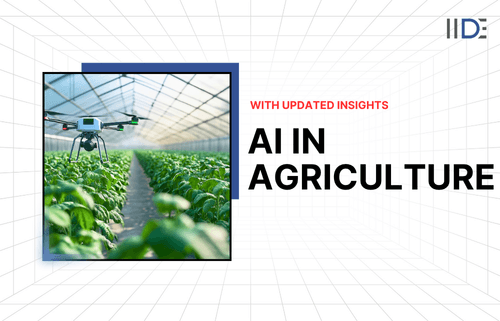
AI is revolutionizing agriculture in 2026 by making farming smarter and more efficient. With technologies like crop monitoring, predictive analytics, and automated equipment, farmers can increase yields, conserve resources, and adapt to changing conditions. These advancements are key to improving food security and sustainability across India and the world.
In 2025, artificial intelligence has become a game-changer for agriculture worldwide, and the numbers tell a compelling story of rapid growth and adoption. Today, nearly half of large-scale farms in developed countries are utilizing some form of AI, with smaller farms gradually catching up.
The global market for AI in agriculture, which was valued at around USD 4.7 billion in 2024, is projected to hit over USD 10 billion by 2032, growing at an impressive CAGR of over 26%. In India alone, the AI market in agriculture is expected to reach up to USD 350 million by 2033, driven by initiatives like the Digital India campaign and a rising demand for sustainable farming practices.
Farmers are now leveraging AI for a wide range of applications - precision irrigation that conserves water, drone-based crop monitoring, pest detection, and autonomous machinery, all contributing to improved yields and resource efficiency. For instance, AI-driven precision farming currently boosts crop yields by about 15-20%, while reducing input costs significantly.
The adoption trend is supported by decreasing costs of hardware and increasing awareness of AI’s benefits - making these advanced solutions more accessible, even to smallholder farmers. Industry leaders and startups alike are investing heavily in AI innovations, facilitating smarter, more sustainable, and more productive farms globally.
As industries further integrate AI at a large scale, professionals trained in this field will be the ones leading this revolutionary transformation in agriculture. Recognising this shift, IIDE - Digital Business School offers Online AI Course designed for working professionals, entrepreneurs, and freshers who want to master AI skills to accelerate career growth.
IIDE AI course Highlights:
- Hands-on Experience: Work on real-time projects and assignments for every course topic.
- Expert Faculty: Learn from industry veterans with real-world AI experience.
- Scenario-Based Learning: Work on AI projects relevant to your industry to maximise your career prospects.
- Supersessions: Exclusive sessions with CXOs and CMOs covering industry secrets and strategies.
- Industry Certification: Earn a globally recognised certificate to validate your expertise and boost your career.

Learn Digital Marketing for FREE


How Artificial Intelligence is Revolutionizing Agriculture in 2025
AI in agriculture is all about using smart technologies like machine learning, automation, computer vision, and natural language processing to solve traditional farming challenges. Simply put, AI systems collect and analyze vast amounts of data - from soil health and weather patterns to crop growth and pest activity and then provide actionable insights that help farmers make better decisions.
For example, machine learning models predict crop yields and disease outbreaks, automation handles tasks like planting and harvesting, and virtual assistants can provide quick expert advice in local languages through natural language processing.
The impact is already tangible: over 60% of farms worldwide are expected to use AI-powered tools by 2025, especially for precision crop management. These tools optimize resource use like water and fertilizer, and reduce waste, leading to higher yields and sustainability.
A recent report highlights how AI agriculture applications are ushering in a new era of resilient, data-driven farming by automating repetitive tasks and enhancing precision, transforming the entire supply chain from field to table. With AI’s growing footprint in farming, professionals trained in AI are set to lead this exciting transformation in agriculture.
Potential of AI in Agriculture
Predictive Analytics and Crop Forecasting
AI technology uses machine learning to analyze data from weather, soil, and crop conditions, helping farmers predict future crop yields and early risks such as disease or pest outbreaks. This forecasting enables farmers to plan better, reduce losses, and improve harvest outcomes. For example, AI models powered by drone imagery and sensor data optimize planting schedules and resource management.
Process Automation and Smart Farm Equipment
AI-driven automation automates labor-intensive tasks like planting, watering, and harvesting with autonomous tractors, robots, and drones. This reduces both costs and human error while ensuring precise application of inputs such as fertilizers and pesticides, improving efficiency and farm productivity.
Yield Optimization and Resource Efficiency
By continuously monitoring crop health and soil moisture, AI helps tailor irrigation, fertilization, and pest control to the exact needs of plants in different zones of a farm. This precision farming approach boosts overall yield and helps conserve water and chemicals, promoting sustainable agriculture.
Customer Engagement and Market Adaptation
AI systems analyze market trends, customer preferences, and supply chain logistics to help agriculturalists make smarter decisions on crop choices, pricing, and distribution. This improves profitability and reduces waste by aligning production more closely with demand patterns.
Sustainable Agriculture and Environmental Protection
AI provides insights that help implement eco-friendly farming practices, such as reducing chemical runoff, conserving water, and improving soil health. These approaches not only enhance productivity but also mitigate agriculture's environmental footprint, supporting long-term sustainability goals.
These practical AI applications are driving a transformation in modern farming, combining technology and tradition to create smarter, more resilient agricultural systems for 2026 and beyond.
Learn how AI in manufacturing is transforming production by automating processes, improving maintenance, and creating new roles like AI engineers and smart factory managers similar to that in agriculture.
Unlocking the Benefits of AI in Agriculture in 2026
AI is transforming agriculture by delivering measurable benefits across efficiency, accuracy, profitability, speed, and scalability. Key advantages include:
- Increased Crop Yields: AI-powered precision farming boosts crop yields globally by 15-30%, thanks to better monitoring, pest control, and optimized resource application.
- Resource Efficiency: Water usage is reduced by up to 40%, and fertilizer application accuracy improves by 85%, leading to less waste and lower costs.
- Labor and Cost Savings: Automated machinery and AI-driven farm management reduce labor costs by around 50%, while cutting fuel and input expenses significantly.
- Faster Decision-Making: Real-time AI analytics speed up critical decisions on irrigation, harvesting, and pest control, ensuring timely interventions that protect production.
- Scalability and Adaptability: AI solutions scale across smallholder farms to large agribusinesses, adapting to local conditions and crop types, improving profitability for all.
According to recent industry reports, while over 80% of agribusinesses recognize AI’s potential, full adoption is still growing, highlighting vast future opportunities. Small and large farms alike see strong returns on investment - 150% ROI for large farms and 120% for smallholders, making AI a vital tool in modern agriculture’s quest for sustainability and food security.
Real-Life Applications of AI in Agriculture
1. PCS AGRI (Morocco) - AI-Powered Farm Management
PCS AGRI uses AI-driven platforms combining IoT sensors and machine learning to monitor crop health, soil conditions, and weather in real-time. Their innovative tools like TRACK TOM optimize cherry tomato yield estimation and pest management using AI, enabling farmers to make precise decisions that maximize output and reduce resource waste. This example shows how integrating AI with existing agriculture equipment can simplify workflows and elevate farm productivity.
2. CinSOIL (Germany) - AI for Farm Carbon Offsetting
CinSOIL leverages AI with satellite imagery and machine learning to measure soil carbon sequestration accurately and provide regenerative farming recommendations. This helps farmers increase crop resilience against climate change while earning carbon credits through transparent reporting. The case illustrates how AI can simultaneously promote sustainability and offer financial incentives for eco-friendly farming practices.
3. Taranis (Israel/Global) - Precision Crop Intelligence
Taranis combines high-resolution aerial surveillance and AI-powered computer vision to detect crop threats like pests and diseases at a microscopic level. Their platform enhances fertilizer efficiency and pest control strategies across multiple countries by providing actionable insights that protect yields and reduce environmental impact. This demonstrates the power of AI-driven remote sensing and analytics in global crop management.
The Next Frontier of AI in Agriculture
AI is transforming agriculture with several game-changing applications that promise higher productivity, sustainability, and smarter farming decisions. Here are key AI innovations shaping the future:
- Autonomous Machinery: Self-driving tractors, drones, and robotic harvesters equipped with AI and computer vision are automating planting, spraying, and harvesting, reducing labor costs and increasing precision.
- Generative AI Virtual Agronomists: AI platforms analyze weather, soil, and market data to provide real-time, hyperlocal advice on planting, fertilization, and pest control - helping farmers optimize yields and manage risks effectively.
- AI-Enabled Carbon Farming: Using satellite imagery and machine learning, AI measures soil carbon sequestration and automates carbon credit certification, driving sustainable agricultural practices while generating new income streams.
These technological advances open up a range of promising careers in agriculture:
- Precision Farming Specialists: Experts who use AI-driven data analytics to maximize yield and optimize resource use.
- Agricultural Data Analysts: Professionals translating complex weather, soil, and crop data into actionable strategies.
- AI/ML Software Engineers: Developers creating advanced AI tools for crop health diagnostics and autonomous equipment control.
- Drone Operators & IoT Agronomists: Skilled personnel managing AI-powered drones and sensor networks to monitor crops and soil health in real time.
- Automation & Fleet Managers: Specialists overseeing AI-optimized machinery and supply chain logistics to improve productivity and reduce costs.
The Challenges and Ethical Implications of AI in Agriculture
Artificial Intelligence is undoubtedly transforming agriculture, but it also brings challenges and ethical considerations that must be carefully managed. Here’s a balanced look at the key issues:
- Job Displacement: AI-driven automation, from autonomous machinery to AI-powered analytics, reduces the need for manual labor in farming. This can lead to job losses for farm workers, especially in regions heavily reliant on traditional labor. While AI creates new high-tech jobs, transitioning the existing workforce requires careful reskilling and social support.
- Ethical Use and Bias: AI models in agriculture depend on data, which can sometimes reflect biases based on geographic, climatic, or crop-specific factors. Poorly trained AI systems might favor certain crops or farming practices, disadvantaging small or marginalized farmers. Ethical AI development demands transparency, inclusivity, and continuous review to avoid exacerbating inequalities.
- Compliance and Data Privacy: The use of AI involves collecting vast amounts of farm and farmer data, raising concerns about privacy and data security. Regulations around data usage and sharing in agriculture are still evolving, and non-compliance can expose farmers and companies to legal risks. Ensuring consent and secure handling of sensitive information is critical.
- Model Adaptability: Agricultural environments vary widely across regions - soil types, climate, crop varieties, making it hard for AI models trained on limited datasets to perform reliably everywhere. Building adaptable, generalizable AI models requires large, diverse datasets and ongoing regional customization.
- Access and Connectivity Gaps: Farmers in remote or lower-income areas may lack internet connectivity or the resources to adopt AI technologies. This digital divide could widen existing gaps in agricultural productivity and profitability unless addressed through infrastructure investment and affordable AI solutions.
Conclusion
In summary, artificial intelligence is fundamentally transforming agriculture by introducing precision, efficiency, and sustainability at an unprecedented scale. From predictive analytics and autonomous machinery to AI-enabled carbon farming and data-driven crop management, AI empowers farmers to optimize yields, conserve resources, and adapt to climate challenges. While offering measurable benefits like increased productivity and reduced costs, AI also opens exciting career pathways for data scientists, automation specialists, agronomists, and AI strategists.
However, responsible adoption requires addressing challenges such as job displacement, ethical use, bias, and data privacy. Overall, AI’s integration into agriculture promises a future where technology and traditional farming merge seamlessly, driving innovation and ensuring food security globally - offering valuable learning and growth opportunities for professionals ready to lead this smart farming revolution.
Want to Know Why 2,50,000+ Students Trust Us?
Dive into the numbers that make us the #1 choice for career success


MBA - Level
Post Graduate in Digital Marketing & Business Strategy

Best For
Fresh Graduates

Mode of Learning
On Campus (Mumbai & Delhi)

Starts from
May 29, 2026

Duration
11 Months
Live & Online
Advanced Online Digital Marketing Course
Best For
Working Professionals
Mode of Learning
Online
Starts from
Apr 6, 2026
Duration
4-6 Months

Online
Professional Certification in AI Strategy
Best For
AI Enthusiasts
Mode of Learning
Online
Duration
5 Months

Offline
Undergraduate Program in Digital Business & Entrepreneurship
Best For
12th Passouts
Mode of Learning
On Campus (Mumbai)
Duration
3 Years
Recent Post
Interesting AI Reads
You May Also Like
AI in agriculture involves using machine learning, computer vision, automation, and data analytics to optimize farming practices, improve crop yields, and enhance sustainability.
AI analyzes data from sensors, drones, and satellites to monitor crop health, predict diseases and pests, and optimize irrigation and fertilization, leading to yield increases of up to 30%.
Key technologies include predictive analytics, autonomous machinery, drone and satellite imagery, robotics, and AI-driven decision support systems.
Yes, AI-powered irrigation systems optimize water delivery based on soil moisture, weather, and crop needs, reducing water use by up to 50%.
While AI automates repetitive tasks reducing manual labor needs, it also creates new jobs in data analysis, AI system management, and smart machinery operation.
Increasingly yes; affordable AI tools, mobile apps, and cloud-based platforms are making advanced technology accessible to smallholder and marginalized farmers.
AI supports sustainable practices by optimizing inputs, enabling carbon farming, monitoring soil health, and helping farmers meet environmental standards.
Career paths include precision farming specialists, agricultural data analysts, AI engineers, drone operators, and automation managers focused on advancing smart farming.


Partner & CEO at One Impact and Digital Marketing Trainer
Kartik is a certified digital marketer and an experienced marketing trainer with a strong passion for imparting knowledge in the field of digital marketing. As a marketing leader, he brings expertise in SEO (Search Engine Optimization), ASO (App Store Optimization), Website Development & much more. His curiosity and commitment to staying updated with industry trends have made him a dedicated digital marketing educator.
Kartik's dedication to teaching has led him to train over 55,000 students globally. His students range from engineers, MBA graduates, start-up entrepreneurs, marketing managers, and even those new to the world of digital marketing. His sessions have reached learners across India, Canada, Dubai, the USA, and other parts of the globe.
Kartik is committed to helping students and professionals alike understand the complexities of digital marketing, empowering them to advance their careers and businesses in this dynamic industry. His deep knowledge and practical approach have earned him a reputation as top 1% digital marketing trainer.