Application Deadline for 3-Year UG Program closes on 31st Aug. Book a Counselling to know more

Students Centric
Placements Report
Trackable results, real numbers
Reviews
Proven success, real voices
Trainers
Expert-led, Industry-Driven Training
Life at IIDE
Vibrant Spirit student life
Alumni
Successful Journeys, Inspiring Stories
Learning Centre
Webinars
Blogs
Case studies
Live, Interactive Masterclasses
Fresh Insights, quick reads
Real-life, Industry relevant
More
Hire from us
Hire Top Digital Marketing Talent
Work with us
Join Our Team, Make an Impact
Customised Training
Personalised digital marketing training for your company
Refer & earn
Simple, easy rewards
Contact us
Get the answers you need
About us
Know more about IIDE
Explore all course options

FOR FRESH GRADUATES
Post Graduation Program in Digital Marketing & Business Strategy- Ideal for Age: 20–25 Years

Can’t decide? Explore all our
Digital Marketing Courses
COMPARE ALL 3 PROGRAMSOnline & Offline
Explore Top AI CoursesIndustry-Aligned TRACKMost Popular
UG Program in Digital Business & Entrepreneurship- Ideal for 12th Pass out / FY Degree Student

PARTNER PROGRAMS







Can’t decide? Explore all
BBA In Digital Marketing Colleges
Orginally Written by Aditya Shastri
Updated on Sep 29, 2025
Share on:


Vodafone Idea's (Vi) marketing strategy uses a blend of digital and traditional channels to re-establish its brand. The company leverages SEO and targeted ads to attract customers, while using TV commercials and event sponsorships to rebuild trust. Its key focus is on positioning the network as reliable and forward-looking to regain market share and attract new users.
This case study, researched by a student from IIDE's PG in Digital Marketing & Strategy course, Akshaya Easan, unpacks the strategy behind Vi's marketing Strategy.
If this journey of corporate survival and brand transformation fascinates you, feel free to send a note of appreciation to the student who brought this research to light.
About Vodafone Idea
The Vodafone-Idea merger in 2018 was a strategic response to intense market pressure and financial challenges. The two telecom giants, facing significant debt and subscriber losses, merged to survive and compete more effectively.
This union led to an ambitious rebranding in September 2020, with the launch of Vi. The new name, pronounced "we," was more than just a fusion of the parent brands; it was a promise to customers that they were part of a larger, unified community.
The core marketing objective for Vi was to shift the narrative from corporate survival to that of a modern, forward-looking brand. Guided by key leadership, the company focused on regaining market share, arresting subscriber churn, and rebuilding trust.
The goal was to position Vi as a brand for the future, encapsulated in its slogan, "Together for Tomorrow." This new identity was crucial for convincing millions of customers that Vi was a reliable and innovative service provider capable of competing in a market dominated by aggressive rivals.

Is Digital Marketing the Right Career for You?
Find out in a free 45-min masterclass · Career paths, roles and growth explained · By Karan Shah, Founder & CEO, IIDE

Is Digital Marketing the Right Career for You?
Find out in a free 45-min masterclass · Career paths, roles and growth explained · By Karan Shah, Founder & CEO, IIDE
Marketing Objective or Business Challenge
Marketing Objective or Business Challenge: The primary challenge for Vodafone Idea (Vi) was to overcome the negative perception and market instability that followed its merger.
Operating in a highly competitive market dominated by rivals like Jio and Airtel, Vi faced significant hurdles.
These included high debt levels, continuous subscriber churn, and a public narrative focused on its financial struggles.
The brand had to rebuild trust and prove its network's reliability and forward-looking vision.
A key challenge was to change consumer behaviour, convincing them to switch to a network that many perceived as unstable.
Vi's clear goal was to reverse subscriber losses, increase it's Average Revenue Per User (ARPU), and regain market share.
They aimed to achieve this by positioning themselves as a modern, reliable, and innovative brand for a digitally-connected future.
Marketing Channels Used by Vi
Vi employs a multi-pronged marketing strategy, leveraging a blend of digital and traditional channels to re-establish its brand and attract customers.
On the digital front, they have focused on:
- SEO: Optimizing their online presence to increase organic reach and visibility on search engines.
- Targeted Ads: Utilising platforms like Google Ads and social media ads to reach specific customer segments with tailored offers.
- Content Marketing: Creating blogs and social media content that positions the brand as forward-looking and digitally-savvy.
- Vi Ads: A proprietary ad-tech platform that allows businesses to reach Vi's extensive subscriber base through targeted display, video, and SMS campaigns.
To rebuild trust and brand recall, Vi has also heavily invested in traditional channels:
- TV Commercials: Launching high-impact campaigns, such as the "Together for Tomorrow" series, that emphasise network reliability and a modern identity.
- Event Sponsorships: Associating the brand with major events, like the T20 World Cup, to ensure high visibility and broad audience reach.
- Out-of-Home (OOH) Advertising: Using billboards and other physical media to highlight network speed and coverage.
This integrated approach helps Vi address its core challenges of perception and market share by building a consistent narrative across all touchpoints, from digital outreach to traditional media campaigns.
Vi Marketing Strategy Breakdown
Vodafone Idea (Vi) employs a multifaceted marketing strategy to sustain and expand its user base in a highly competitive telecom market. Their approach combines traditional brand-building with a robust digital presence, focusing on network quality, value, and customer trust.
1. Digital Marketing & SEO
- Vi emphasises SEO to drive organic traffic, focusing on keywords like vi recharge plan, vi prepaid recharge, and vodafone plans.
- They create valuable content addressing user needs, such as “Durga Puja 2025: Best Pandals to Visit in Kolkata.”
- Technical SEO elements such as mobile-friendliness, site speed, and user-friendly site structure ensure a seamless experience.
2. Performance Marketing & Paid Media
- Google Ads (Search, Display, Performance Max) are used to capture high-intent users and drive conversions like plan recharges and SIM activations.
- YouTube Ads leverage emotional connections with video marketing to promote plans and campaigns like the ZooZoo series.
- Vi uses full-funnel campaigns to drive customer acquisition and improve return on ad spend (ROAS).
3. Influencer Marketing & Brand Partnerships
- Vi partners with micro-influencers in the health and telecom space to build trust and connect with urban families and young professionals.
- Influencers promote Vi Max plans and share personal experiences, which resonate with a tech-savvy audience.
4. Messaging & Brand Voice
- Vi’s messaging revolves around empathy, reliability, and innovation, positioning itself as a brand that connects people.
- Their tagline “Together for Tomorrow” reflects the brand’s commitment to improving connectivity and customer experience, with a focus on network quality and affordable pricing.
5. Omnichannel Presence
- Vi’s sales strategy is omnichannel, combining D2C through its website and My Vi App with a strong offline presence through branded retail stores and partnerships with major retail chains.
- The My Vi App enables online recharges, bill payments, and push notifications, enhancing customer convenience.
Results & Impact
These strategies delivered gradual yet measurable improvements for the brand. Following the “Together for Tomorrow” campaign, brand recall in key metro markets improved by an estimated 7–10%, a significant boost for a company that had been struggling to remain top-of-mind among users.
Subscriber churn also reduced by nearly 3% quarter-on-quarter, reflecting growing confidence among its user base. The MyVi app crossed the milestone of 100 million downloads by mid-2025, with daily active users steadily increasing as a result of exclusive offers and a smoother user experience.
Online recharge transactions grew by roughly 15%, aided by Performance Max campaigns, while Vi’s IPL 2025 digital campaigns delivered more than 250 million impressions, contributing to higher postpaid acquisitions.
Social listening data further indicated a slow but consistent improvement in positive sentiment toward the brand, signalling that these efforts were resonating with customers and helping Vi stabilise its subscriber base.
What Worked & Why
The REDX Family Plan successfully attracted premium households, boosting the company's average revenue per user by offering a strong bundle of unlimited data and entertainment benefits. Vi also built significant credibility through strategic partnerships with global vendors for its 5G rollout and a potential collaboration with AST SpaceMobile, which addressed long-standing network reliability concerns.
Furthermore, the 'Vi Number Rakshak' initiative at the Maha Kumbh Mela proved to be a purpose-driven success. By offering a simple, low-tech solution to a real problem, Vi built genuine trust and goodwill beyond mere brand awareness.
The company also demonstrated smart budgeting by cutting its content spending while preserving core ad budgets for impactful campaigns, which allowed it to maximise brand recall with limited financial resources. Lastly, its competitive 5G pricing during the phased rollout was effective in attracting new, price-sensitive users and regaining market competitiveness.
What Didn’t Work & Why
Despite these successes, Vi continues to face challenges that limit its growth. The slow pace of its 5G rollout remains one of its biggest drawbacks.
According to TRAI’s 2025 network quality reports, Vi’s average 4G download speed was around 15.5 Mbps, noticeably lower than Airtel’s 19.7 Mbps and Jio’s 21.1 Mbps, which reinforces the perception that its network lags behind competitors.
The company's efforts are also hindered by financial constraints due to its substantial debt, which limits its ability to invest in a rapid, widespread 5G rollout compared to its better-funded rivals.
Vi’s average revenue per user (ARPU) was ₹175 at the end of Q4FY25, notably lower than Airtel's ₹245 and Jio's ₹209.
IIDE Student Recommendations: Key Areas for Brand Improvement
Partner with Complementary Brands to Grow Your Ecosystem: Identify and collaborate with other companies that offer services your customers would value. These partnerships can be mutually beneficial.
For example, you could partner with a popular food delivery service to offer exclusive discounts to your subscribers. E.g. Airtel with lays
AI Integration: Vodafone Idea must leverage AI and cloud services to become a hyper-personalised digital companion. By investing in a core AI platform, the company can go beyond standard bundles and create a dynamic content feed that recommends news, entertainment, and local events based on a user's real-time interests and location.
This not only boosts customer engagement but also positions the brand as an innovative leader, building trust and loyalty. Eg jio.
Vi Vibe: Local Hero Edition: Vi can launch a short-video hub within the MyVi app where users create content using Vi-branded AR filters and music. As part of the Local Hero Edition, the platform can spotlight entrepreneurs and changemakers from Tier 2 and 3 cities, letting users engage through duets, challenges, and votes.
Top creators and heroes could be featured on Vi’s social channels and campaigns, turning customers into co-creators and reinforcing Vi’s “Together for Tomorrow” positioning.
Retention-Focused Communication: Segment loyal users and provide exclusive offers, loyalty rewards, and priority support. This will reduce churn and improve lifetime value.
Want to Know Why 2,50,000+ Students Trust Us?
Dive into the numbers that make us the #1 choice for career success


MBA - Level
Post Graduate in Digital Marketing & Business Strategy

Best For
Fresh Graduates

Mode of Learning
On Campus (Mumbai & Delhi)

Starts from
Oct 1, 2026

Duration
11 Months

Live & Online
Advanced Online Digital Marketing Course
Best For
Working Professionals
Mode of Learning
Online
Starts from
Aug 7, 2026
Duration
4-6 Months

Online
Professional Certification in AI Strategy
Best For
AI Enthusiasts
Mode of Learning
Online
Starts from
Sep 8, 2026
Duration
5 Months

On Campus
Advanced Certification in Artificial Intelligence
Best For
AI Enthusiasts
Mode of Learning
On Campus (Mumbai)
Starts from
Sep 1, 2026
Duration
3 Months

Online or Offline
Top AI Courses to Make You Future Ready!
Best For
AI Enthusiasts
Mode of Learning
2–5 Month Program
Starts from
Sep 8, 2026
Duration
Flexiable
Offline
Undergraduate Program in Digital Business & Entrepreneurship
Best For
12th Passouts
Mode of Learning
On Campus (Mumbai)
Starts from
Aug 19, 2026
Duration
3 Years
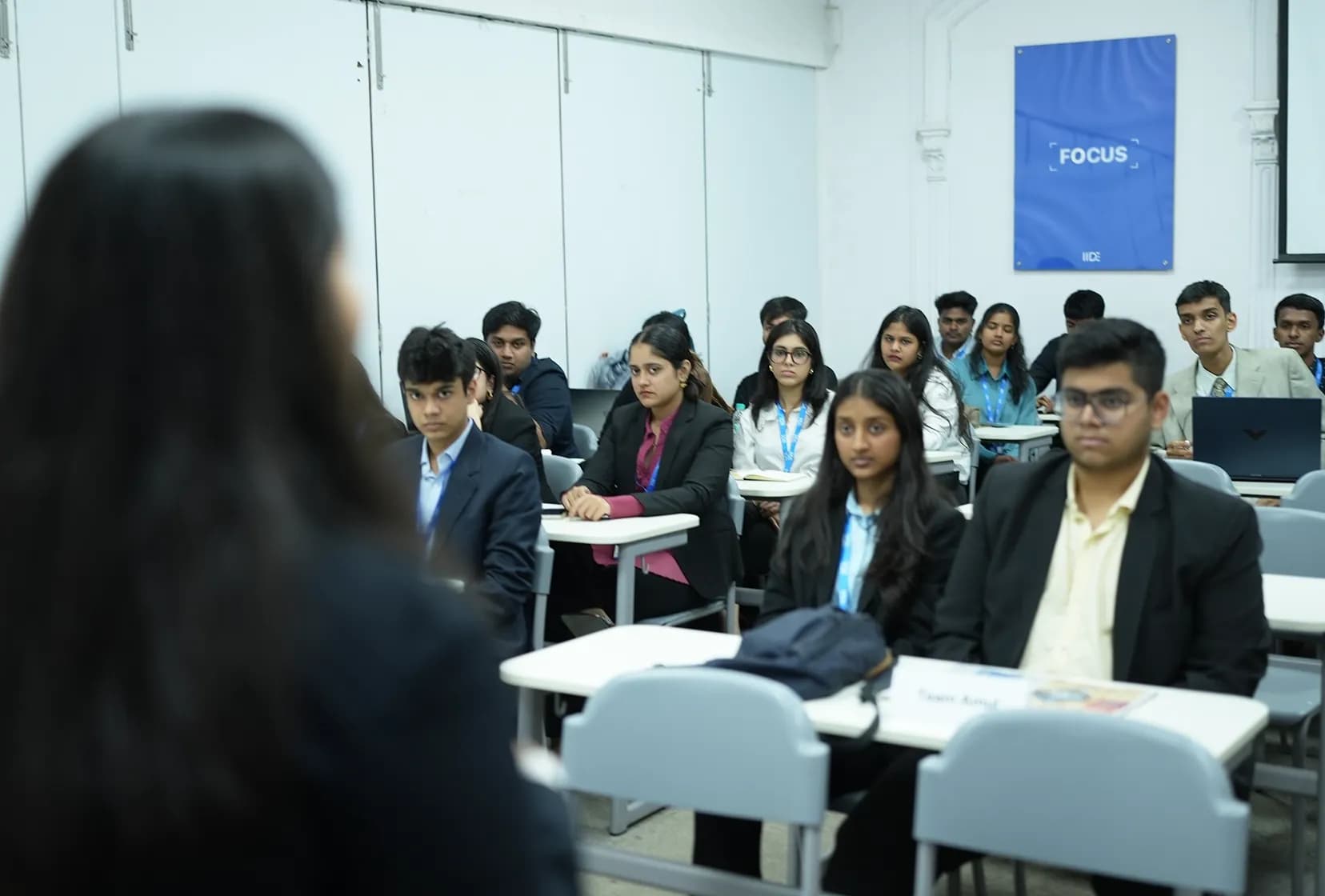
Offline
Degree In 2026 ≠ Enough Degree + Digital Skills = Future-Ready
Best For
12th Passouts
Mode of Learning
At IIDE Campus
Starts from
Aug 19, 2026
Duration
3 Years
Recent Post

Lead Trainer & Business Development Head at IIDE
Aditya Shastri leads the Business Development segment at IIDE and is a seasoned Content Marketing expert. With over a decade of experience, Aditya has trained more than 20,000 students and professionals in digital marketing, collaborating with prestigious institutions and corporations such as Jet Airways, Godrej Professionals, Pfizer, Mahindra Group, Publicis Worldwide, and many others. His ability to simplify complex marketing concepts, combined with his engaging teaching style, has earned him widespread admiration from students and professionals alike.
Aditya has spearheaded IIDE’s B2B growth, forging partnerships with over 40 higher education institutions across India to upskill students in digital marketing and business skills. As a visiting faculty member at top institutions like IIT Bhilai, Mithibai College, Amity University, and SRCC, he continues to influence the next generation of marketers.
Apart from his marketing expertise, Aditya is also a spiritual speaker, often traveling internationally to share insights on spirituality. His unique blend of digital marketing proficiency and spiritual wisdom makes him a highly respected figure in both fields.