
Students Centric
Placements Report
Trackable results, real numbers
Reviews
Proven success, real voices
Trainers
Expert-led, Industry-Driven Training
Life at IIDE
Vibrant Spirit student life
Alumni
Successful Journeys, Inspiring Stories
Learning Centre
Webinars
Blogs
Case studies
Live, Interactive Masterclasses
Fresh Insights, quick reads
Real-life, Industry relevant
More
Hire from us
Hire Top Digital Marketing Talent
Work with us
Join Our Team, Make an Impact
Customised Training
Personalised digital marketing training for your company
Refer & earn
Simple, easy rewards
Contact us
Get the answers you need
About us
Know more about IIDE
Explore all course options

FOR FRESH GRADUATES
Post Graduation Program in Digital Marketing & Business Strategy- Ideal for Age: 20–25 Years

Can’t decide? Explore all our
Digital Marketing Courses
FOR STUDENTSOn-campus
Advanced Certification in AI
FOR WORKING PROFESSIONALSOnline
Professional Certification in AI StrategyIndustry-Aligned TRACKMost Popular
UG Program in Digital Business & Entrepreneurship- Ideal for 12th Pass out / FY Degree Student

PARTNER PROGRAMS





Can’t decide? Explore all
BBA In Digital Marketing Colleges
Orginally Written by Karan Shah
Updated on Sep 25, 2025
Share on:


1. Outline Clear Objectives
Source: Google
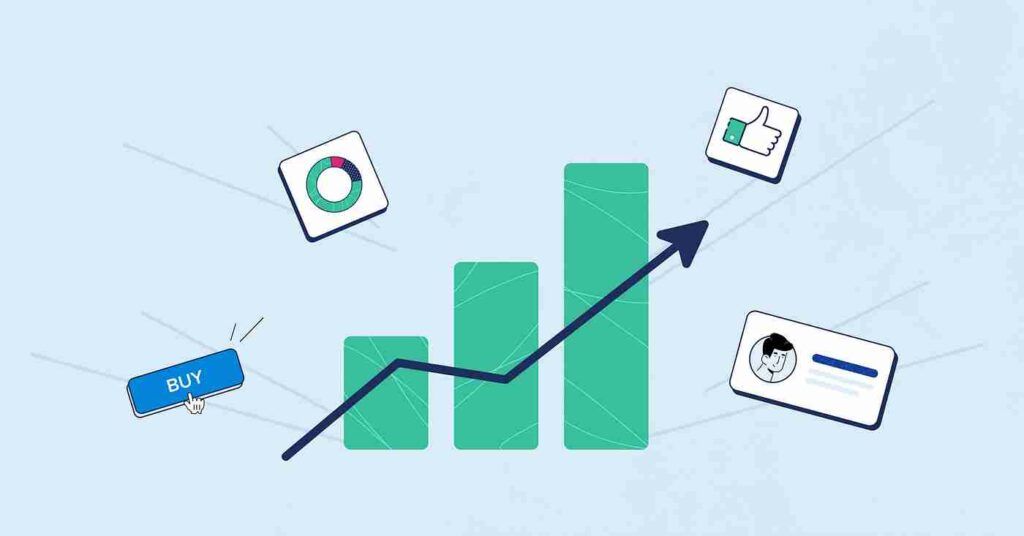
Before embarking on this journey to learn about various website optimisation techniques, it’s crucial to establish clear objectives. What specific action do you want visitors to perform that will help increase website conversions? Is it buying a product, signing up for a newsletter, asking for a quote, or downloading a resource? Defining your desired conversion will help you focus your efforts and measure your success accurately.
By aligning your website’s design, content, and call to action with these goals, you can significantly improve your chances of website conversion optimisation and overall conversion rate optimisation.
2. Engage Visitors With Eye-Catching Visuals

Source: Google
One way of improving website conversion is by utilising captivating images and visuals to grab attention, highlight your points, and enhance the appeal of your content. This aids visitors in grasping your message swiftly and keeps them engaged for longer. By incorporating such website optimisation techniques and adding visually appealing elements to it, you make your website more attractive and easier to navigate, thereby improving the overall user experience.
Additionally, showcasing your work on Instagram is a great way to enhance visual appeal. To master Instagram marketing, consider our free Instagram marketing course, which covers everything you need to know to effectively leverage this platform.
3. Tackle Customer Concerns
Frustrated by high bounce rates? You’re not alone. Many website visitors explore products or services without making a purchase. This is where conversion rate optimization (CRO) steps in. By understanding and addressing customer concerns through features like live chat, businesses can improve website conversions.
Another way to increase website conversions is by including testimonials and reviews which can significantly influence purchasing decisions, as people tend to trust the experiences and opinions of others.
Lastly, offering a money-back guarantee can build trust and make customers feel more confident in their purchases. Be sure to stick to the end of this blog to unveil other such website conversion strategies.
To apply these conversion strategies effectively, consider our digital marketing course. It covers key areas like CRO, content optimisation, and customer engagement to help transform visitors into loyal customers.
4. Play With CTA Phrases
Generic CTAs like ‘Download Now’ and ‘Sign-up’ are effective, but personalising them to the page context, such as ‘Download My Free Resource’ or ‘Apply My Coupon’, makes them more appealing. While it might seem like a small detail, A/B testing different CTA texts can lead to higher conversion rate optimisation. Implementing these website optimisation techniques ensures that your website performance optimisation strategies are working effectively.
Similarly, if you’re looking to take your digital marketing skills to the next level, consider post-graduation in digital marketing. This advanced programme will equip you with in-depth knowledge and strategies that can optimise your website performance, including crafting compelling CTAs and enhancing overall user experience.
If you’re considering investing your time in a post-graduation course in digital marketing but want to know more about what it entails, start by attending our free digital marketing masterclass. This will give you valuable insights and help you make an informed decision before committing to the course.
5. Review Your Website Data
A single data point might not reveal much, but analysing a collection of data can uncover trends. If only a few visitors ignore your CTA, it might not be an issue. However, if many do, adjustments are necessary. Use conversion optimisation tools and Google Search Console (GSC) data for comprehensive insights.
These tools show how visitors interact with your site, while GSC tracks key metrics like sessions and bounce rates. By analysing this data, you can identify patterns, understand how visitors find your site, and apply website conversion strategies to improve overall performance.
6. Improve Mobile Usability

Source: Google
With Google’s shift to mobile-first indexing, website optimisation for mobile devices is more crucial than ever. Failing to do so can negatively impact your Google rankings and reduce conversions. So, how can you make your site mobile-friendly? First, understand that mobile and desktop experiences are not the same. You can utilize Google’s mobile testing tool to assess your site’s website performance optimisation.
This tool provides targeted suggestions to improve your website conversion optimisation. For example, you might need to adjust your font size for mobile viewing, compress images to reduce load times or increase overall page speed, all crucial for improving website conversions.
7. Boost Page Loading Speed
If your pages load too slowly, visitors will likely leave, negatively impacting your conversion rate. Studies suggest aiming for load times of less than four seconds, with shorter times being more beneficial. Enhancing website performance optimisation can prevent visitors from leaving before the page fully loads. Techniques to increase speed include removing large images and using Accelerated Mobile Pages (AMPs).
PS: if you ever want to read about blogs written about various digital marketing topics then don’t forget to check these digital marketing blogs which might just be what you are looking for.
8. Craft Extensive and Quality-Rich Content
According to Buffer, a blog post should ideally be 1,600 words. This is just a starting point. Before finalising your content length, Google your main keyword and examine the top 10 results. If some of those pages are longer than 1,600 words, aim to match or exceed that length. While length isn’t the only factor, it signals to Google that you’re providing in-depth information. If readers stay engaged and read to the end, your chances of ranking higher are better and implementing effective website conversion strategies can further enhance your results.
Looking for more clarity? Consider enrolling in our online digital marketing course. This course will entirely cover content marketing, so you won’t need to seek additional resources elsewhere. Rest assured, you’ll gain all the knowledge you need.
Still unsure which course is right for you? Explore our selection of the best online marketing courses to find the perfect match for your needs.
9. Test Thoroughly Before Going Live
Before launching changes, it’s crucial to test everything. Testing is a key conversion rate optimisation method that helps you make data-driven decisions and minimize risks. Track and evaluate the effects of any changes to ensure they improve your conversion rate. A/B testing helps you compare new ideas with the original page to find out which one works better, so you can make informed decisions before making changes.
This method ensures that visitor preferences guide your decisions, not assumptions. Use conversion optimisation tools like VWO Testing to create and compare different versions of your pages to find the most effective ones.
Consider how leading brands approach this. For instance, the marketing strategy of Jollibee focuses on localised campaigns that resonate deeply with regional audiences, while McDonald’s marketing strategy relies on global consistency combined with localised promotions. Both brands continuously test their marketing strategies to fine-tune their approaches and enhance engagement.
10. Craft a Narrative on Your Landing Page
Source: Google
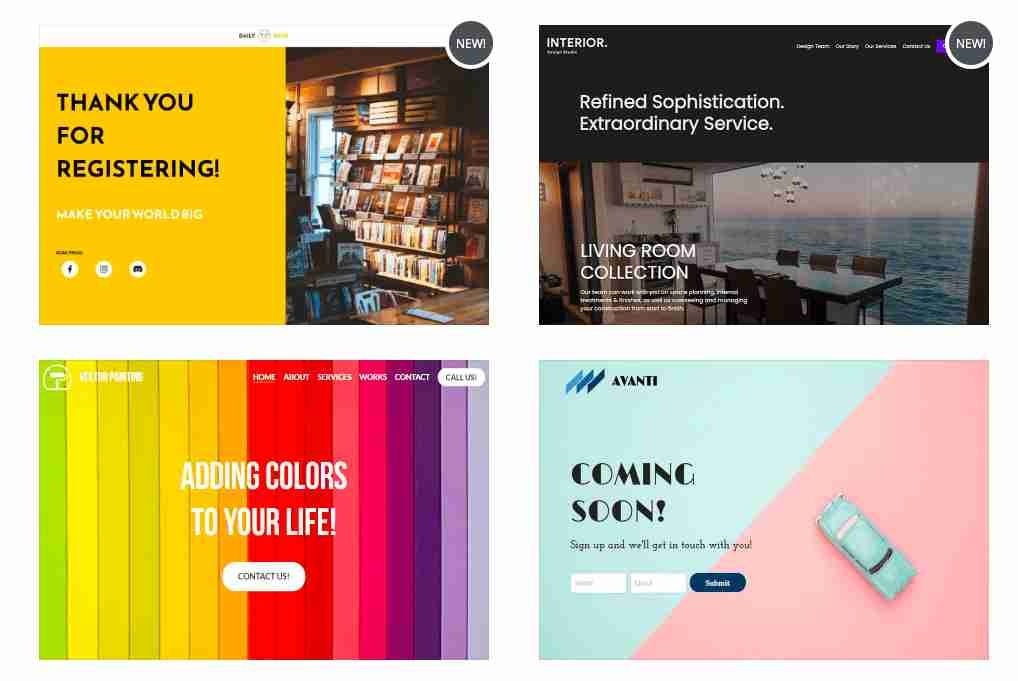
Using storytelling on your landing page can dramatically boost your conversion rate optimisation. By telling an engaging story that relates to your audience, you build an emotional bond that encourages them to act. Stories illustrate the benefits of your product or service in a way that enhances website conversion optimisation, making it more appealing to potential customers and helping to increase website conversions.
11. Monitor Your Success
The last step in website conversion optimization is to measure your results. It’s important to keep track of how your website or landing page is performing by looking at key metrics like conversion rates, bounce rates, and user engagement. By examining these numbers, you can see if your website conversion tips are working.
This ongoing review will help you spot areas that need improvement and adjust your strategies to increase website conversions. Regularly checking your results makes sure your website stays effective and keeps achieving positive outcomes.

Learn Digital Marketing for FREE

Want to Know Why 2,50,000+ Students Trust Us?
Dive into the numbers that make us the #1 choice for career success



MBA - Level
Post Graduate in Digital Marketing & Business Strategy

Best For
Fresh Graduates

Mode of Learning
On Campus (Mumbai & Delhi)

Starts from
Jul 31, 2026

Duration
11 Months

Live & Online
Advanced Online Digital Marketing Course
Best For
Working Professionals
Mode of Learning
Online
Starts from
Aug 7, 2026
Duration
4-6 Months

Online
Professional Certification in AI Strategy
Best For
AI Enthusiasts
Mode of Learning
Online
Starts from
Jul 28, 2026
Duration
5 Months

On Campus
Advanced Certification in Artificial Intelligence
Best For
AI Enthusiasts
Mode of Learning
On Campus (Mumbai)
Starts from
Jul 27, 2026
Duration
3 Months

Online or Offline
Top AI Courses to Make You Future Ready!
Best For
AI Enthusiasts
Mode of Learning
2–5 Month Program
Starts from
Jul 28, 2026
Duration
Flexiable
Offline
Undergraduate Program in Digital Business & Entrepreneurship
Best For
12th Passouts
Mode of Learning
On Campus (Mumbai)
Starts from
Aug 1, 2026
Duration
3 Years
Offline
Undergraduate Program in Digital Business & Entrepreneurship
Best For
12th Passouts
Mode of Learning
On Campus (Mumbai)
Starts from
Aug 1, 2026
Duration
3 Years
Recent Post
Digital Marketing Courses Nearby
You May Also Like
To measure conversion rate optimisation, track key metrics like conversion rates, user behaviour, and A/B test results. Analyse these data points to assess the effectiveness of your changes.
To check website performance and enhance conversion rate optimisation, use tools like Google Analytics and PageSpeed Insights to monitor traffic, load times, and user engagement. Analyse these metrics to apply effective website optimisation techniques and identify areas for improvement.
SEO boosts conversion rates by driving targeted traffic, ensuring the right audience finds your site. Improved visibility and relevance increase the likelihood of visitors taking desired actions, enhancing website conversion optimisation.
To measure a website's KPI, track key metrics like conversion rates, bounce rates, and user engagement using analytics tools. Compare these against your predefined goals to gauge performance, and apply website conversion strategies to optimise results.
To boost organic conversions, apply website conversion optimisation techniques, such as creating valuable content that meets user needs, optimizing for search intent, and enhancing usability. Implementing such CRO best practices can increase website conversions effectively.

Founder and CEO at IIDE
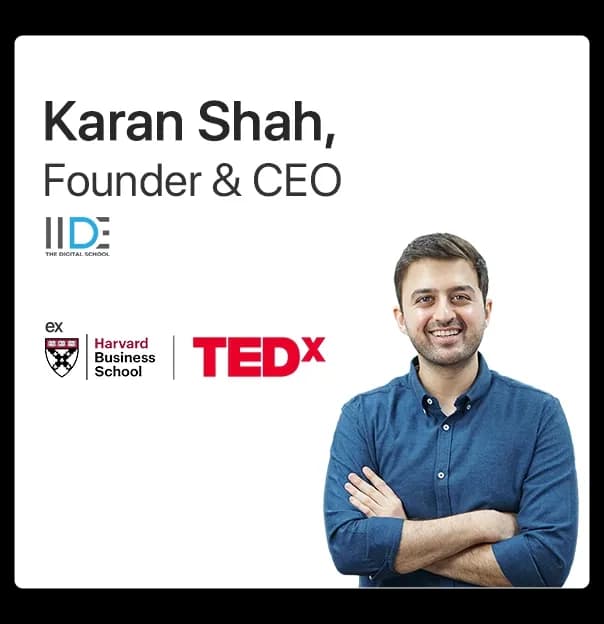
Karan Shah is the Founder and CEO of IIDE – The Digital School, Asia’s premier digital marketing institute. With over ten years of hands-on experience in the digital marketing industry, Karan has played a pivotal role in empowering thousands of students to forge successful careers in this ever-evolving field.
His vast expertise encompasses various areas such as paid search, social media marketing, programmatic marketing, and much more. Karan's passion for education, teaching, and public speaking led him to establish IIDE, where he offers world-class digital marketing education designed to meet industry standards.
To date, he has trained over 60,000 students and worked with more than 25 corporates, sharing his knowledge through both online and offline platforms. A Harvard Business School alumnus with a specialisation in E-commerce, Karan is also an accomplished Tedx speaker. His industry insights and teaching excellence have earned him a prestigious role as a visiting faculty member at India’s top management institutes, including the Indian Institutes of Management (IIMs).