Application Deadline for 3-Year UG Program closes on 31st Aug. Book a Counselling to know more

Students Centric
Placements Report
Trackable results, real numbers
Reviews
Proven success, real voices
Trainers
Expert-led, Industry-Driven Training
Life at IIDE
Vibrant Spirit student life
Alumni
Successful Journeys, Inspiring Stories
Learning Centre
Webinars
Blogs
Case studies
Live, Interactive Masterclasses
Fresh Insights, quick reads
Real-life, Industry relevant
More
Hire from us
Hire Top Digital Marketing Talent
Work with us
Join Our Team, Make an Impact
Customised Training
Personalised digital marketing training for your company
Refer & earn
Simple, easy rewards
Contact us
Get the answers you need
About us
Know more about IIDE
Explore all course options

FOR FRESH GRADUATES
Post Graduation Program in Digital Marketing & Business Strategy- Ideal for Age: 20–25 Years

Can’t decide? Explore all our
Digital Marketing Courses
COMPARE ALL 3 PROGRAMSOnline & Offline
Explore Top AI CoursesIndustry-Aligned TRACKMost Popular
UG Program in Digital Business & Entrepreneurship- Ideal for 12th Pass out / FY Degree Student

PARTNER PROGRAMS






Can’t decide? Explore all
BBA In Digital Marketing Colleges
Orginally Written by Aditya Shastri
Updated on Dec 11, 2025
Share on:


Sam’s Club, founded in 1983, is a membership-based warehouse chain that stands as a powerhouse in the wholesale retail sector in 2025. With over 600 locations, the company offers bulk products ranging from groceries to electronics. In this article, we explore the SWOT analysis of Sam’s Club, analysing its market positioning, strengths, weaknesses, opportunities, and threats. Why is understanding this analysis vital for entrepreneurs and business students?
About Sam’s Club
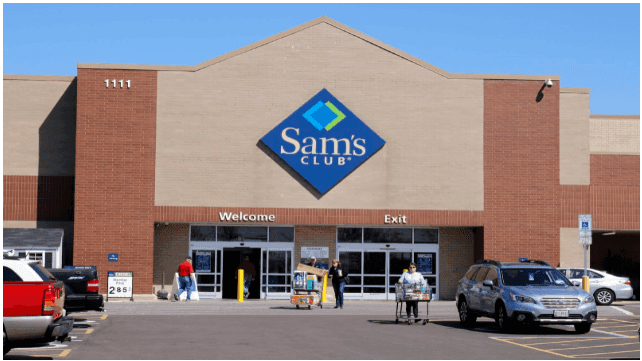
Founded in 1983 by Walmart, Sam’s Club provides a membership-based model that offers wholesale products to consumers. With its slogan "Expect more. Pay less," Sam’s Club continues to grow in 2024-2025 by integrating digital strategies and enhancing its customer experience.
As a member of Walmart’s family, it leverages the brand’s vast logistics and financial resources. SWOT stands for Strengths, Weaknesses, Opportunities, and Threats – a framework to evaluate Sam's Club’s market position.
Overview Table
| Official Company Name | Sam's West, Inc. |
|---|---|
| Founded | 1983 |
| Website | www.samsclub.com |
| Industries Served | Wholesale, Retail, Membership Services |
| Geographic Areas Served | USA, Puerto Rico |
| Revenue | $80+ Billion (2025 estimate) |
| Net Income | $4.2 Billion (2025 estimate) |
| Employees | 100,000+ |
| Main Competitors | Costco, BJ’s Wholesale Club, Amazon |

Is Digital Marketing the Right Career for You?
Find out in a free 45-min masterclass · Career paths, roles and growth explained · By Karan Shah, Founder & CEO, IIDE

Is Digital Marketing the Right Career for You?
Find out in a free 45-min masterclass · Career paths, roles and growth explained · By Karan Shah, Founder & CEO, IIDE
SWOT Analysis of Sam's Club
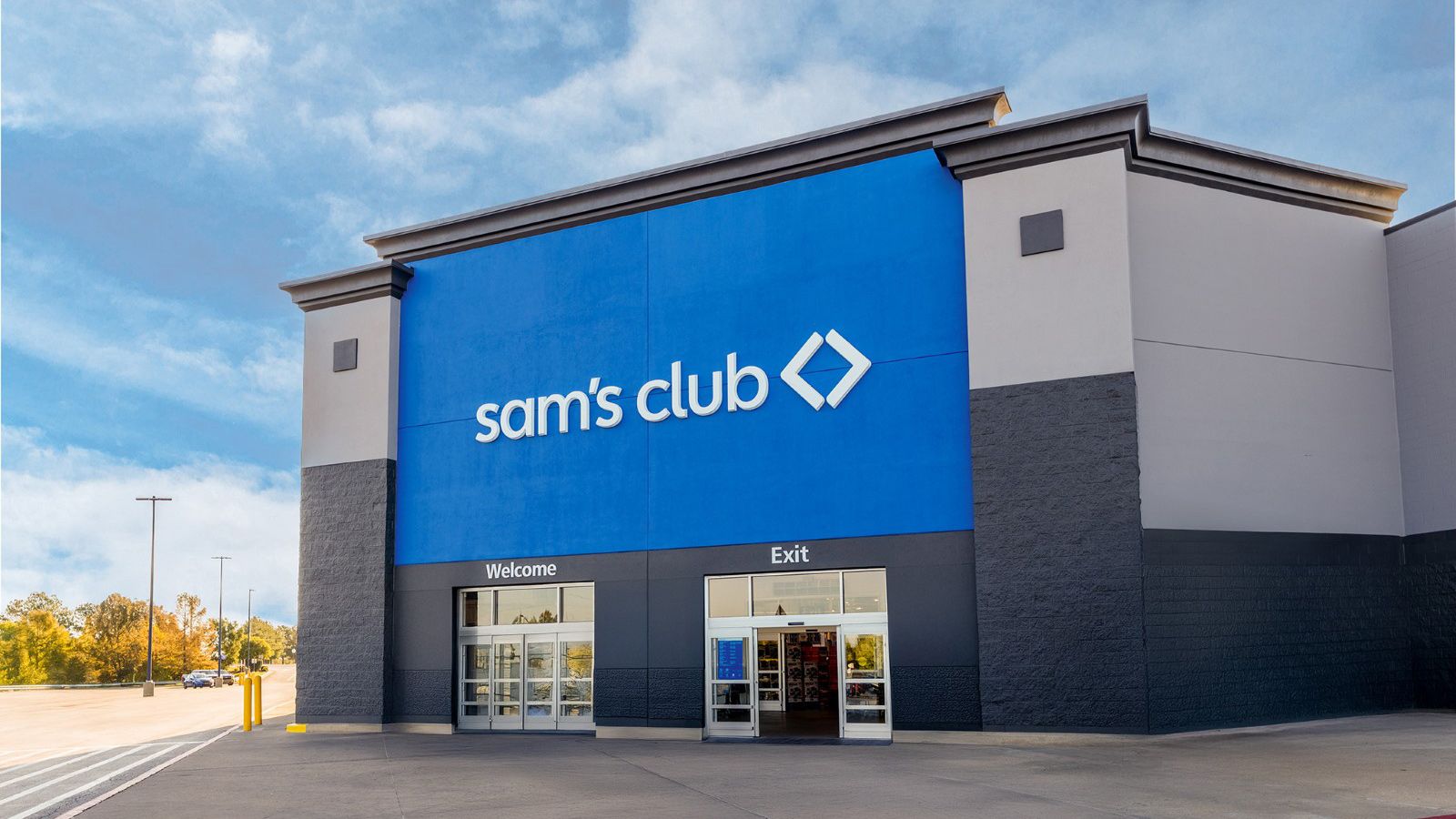
Brand Strength: Sam's Club’s Superpowers in 2025
Brand Equity & Recognition:
- Sam’s Club has firmly positioned itself as one of the leading wholesale retailers, leveraging Walmart’s infrastructure to enhance its market presence.
- The brand is synonymous with bulk buying and value, and its membership model fosters strong customer loyalty, particularly among businesses and budget-conscious consumers.
Market Leadership & Position:
- Sam’s Club maintains a dominant position in the wholesale retail market, with a significant market share in the U.S.
- The company’s competitive pricing, paired with its focus on quality products and services, makes it a preferred choice for bulk shoppers, including small businesses.
Financial Performance:
- In 2025, Sam's Club continues to generate robust financial results, driven by consistent membership renewals and its growing e-commerce presence.
- The brand’s expansion of click-and-collect services has further boosted its ability to capture a growing online shopper base.
Global Presence:
- While Sam's Club is predominantly focused on the U.S. market, its strong ties to Walmart’s global network provide the potential for further international expansion.
- Sam's Club remains an integral part of Walmart’s broader retail ecosystem, which drives cross-market collaboration and supply chain synergies.
Customer Loyalty:
- The membership model cultivates a high level of customer retention.
- Shoppers value the exclusive deals and bulk pricing, further contributing to Sam’s Club’s market strength.
SWOT analysis of CarMax reveals how customer-centric service and supply chain efficiencies contribute to success in big-box retail models.
Brand Weakness: Sam's Club’s Struggles in 2025
Overreliance on the U.S. Market:
- Despite having a strong U.S. presence, Sam’s Club heavily depends on the domestic market for revenue.
- This geographic concentration limits its global growth and puts it at risk of economic downturns that disproportionately affect the U.S. consumer market.
High Membership Fees:
- Sam’s Club’s membership fees can be a barrier to entry for new customers, especially in price-sensitive markets.
- Competitors like Costco have more competitive pricing models, which could lure customers who are hesitant to commit to annual fees.
Limited International Presence:
- Compared to Costco, which has an established global presence, Sam’s Club has fewer international outlets.
- This limited international expansion restricts its ability to tap into growing economies where warehouse clubs are gaining popularity.
Slow Innovation in Technology:
- While Sam’s Club has made strides in e-commerce and click-and-collect services, its pace of technological innovation lags behind competitors like Amazon and Costco, which have more advanced online platforms and automated processes.
Brand Opportunities: Sam's Club’s Path to Growth
Geographic Expansion:
- Sam’s Club can capitalise on its membership model by expanding into emerging markets such as Asia, Africa, and Latin America, where warehouse clubs are gaining popularity.
- This expansion will help Sam’s Club diversify its revenue streams and reach new, untapped customer bases.
Sustainability and Ethical Practices:
- With the growing emphasis on sustainability, Sam’s Club has an opportunity to align its product offerings with eco-friendly trends.
- This includes introducing more sustainable packaging and offering products aligned with ESG (Environmental, Social, and Governance) principles, appealing to eco-conscious consumers.
Technological Advancements:
- Sam’s Club should embrace AI, big data, and automation to improve inventory management, enhance customer experience, and streamline supply chain processes.
- These innovations can provide a significant competitive edge in the evolving retail space.
Partnerships with Health and Wellness Brands:
- The increasing demand for health-conscious products presents an opportunity for Sam’s Club to form strategic partnerships with health and wellness brands to cater to the growing fitness-conscious demographic.
- By offering exclusive health-oriented products and services, Sam’s Club can capitalise on this trend.
Brand Threats: Sam's Club’s Competitive and External Risks
Intensified Competition:
- Costco, Amazon, and other warehouse clubs continue to ramp up their presence and market share, increasing competitive pressure.
- Sam’s Club faces pricing competition and consumer loyalty challenges from these larger, well-established rivals.
Economic Volatility:
- Economic downturns and inflation can reduce consumer spending on bulk purchases, especially for non-essential goods.
- As a retailer that relies on large-volume purchases, Sam’s Club is vulnerable to fluctuations in consumer confidence and disposable income.
Geopolitical Instability:
- Sam’s Club operates in multiple global markets and, like other multinational retailers, faces risks from geopolitical instability, including trade wars, tariffs, and trade barriers.
- These issues could impact the brand’s global supply chains and international expansion plans.
Supply Chain Disruptions:
- As a global retailer, Sam’s Club is susceptible to supply chain disruptions, especially those arising from global trade tensions, natural disasters, or pandemic-related restrictions.
- These disruptions can impact product availability and increase costs, affecting profitability.
Shifting Consumer Preferences:
- As consumers shift towards healthier lifestyles, sustainable products, and digital-first shopping experiences, Sam’s Club must evolve to meet these new expectations.
- Failure to adapt quickly to these trends could impact its relevance and market position.
Business model of IKEA provides a comparative look at how large retailers optimize logistics, pricing, and in-store experience for scale.
Summary Table – SWOT of Sam's Club
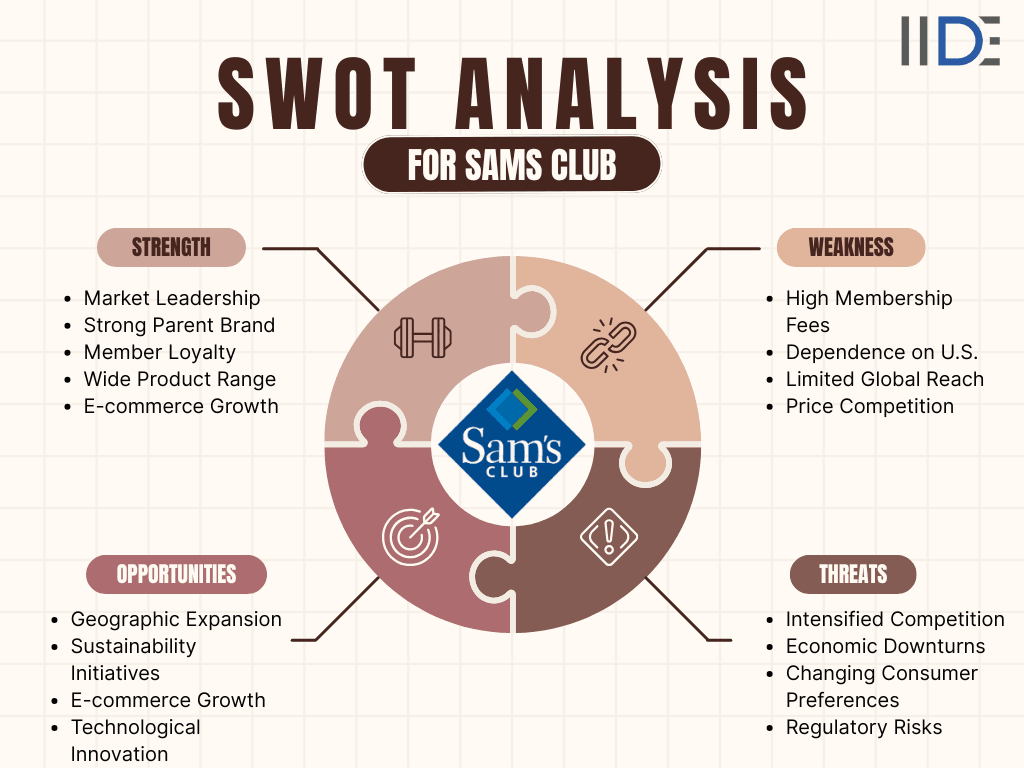
IIDE Student Takeaway, Conclusion & Recommendations
Sam’s Club is a dominant player in the wholesale retail market, benefiting from strong brand recognition, financial stability, and customer loyalty.
However, the company faces challenges such as high membership fees, limited international expansion, and reliance on the U.S. market.
Moreover, its slower adoption of new technologies and evolving consumer preferences present significant vulnerabilities.
Core Tension:
The core tension for Sam’s Club lies in balancing its well-established model with the need to adapt to emerging trends in sustainability, digital shopping, and health-conscious consumer demands.
While the company has established dominance in bulk retail, it must innovate to remain competitive in an evolving market.
Future Outlook:
Sam’s Club’s future depends on how effectively it addresses its weaknesses and capitalises on opportunities like global expansion and product diversification.
The company’s strong foundation, coupled with investments in technology and sustainability, can help it stay relevant and competitive in the future.
Actionable Recommendations:
Expand Internationally: Focus on growing presence in emerging markets where demand for warehouse clubs is rising.
Invest in Technological Advancements: Leverage AI, big data, and automation to enhance customer experience and improve operational efficiency.
Diversify Product Portfolio: Introduce health-focused and sustainable products to attract the growing eco-conscious consumer base.
Streamline Membership Pricing: Review membership fees and explore ways to make membership more accessible to a broader consumer base.
Conclusion:
Sam’s Club’s future success hinges on strategic innovation and global diversification.
By adapting to changing consumer preferences and enhancing digital capabilities, Sam’s Club can maintain its leadership in the wholesale retail market.
Entrepreneurs and business students can learn from Sam’s Club’s ability to balance operational strengths with market adaptability in a rapidly changing retail landscape.
Want to Know Why 5,00,000+ Students Trust Us?
Dive into the numbers that make us the #1 choice for career success



MBA - Level
Post Graduate in Digital Marketing & Business Strategy

Best For
Fresh Graduates

Mode of Learning
On Campus (Mumbai & Delhi)

Starts from
Oct 1, 2026

Duration
11 Months

Live & Online
Advanced Online Digital Marketing Course
Best For
Working Professionals
Mode of Learning
Online
Starts from
Sep 4, 2026
Duration
4-6 Months

Online
Professional Certification in AI Strategy
Best For
AI Enthusiasts
Mode of Learning
Online
Starts from
Sep 8, 2026
Duration
5 Months

Online or Offline
Top AI Courses to Make You Future Ready!
Best For
AI Enthusiasts
Mode of Learning
2–5 Month Program
Starts from
Sep 8, 2026
Duration
Flexiable

On Campus
Advanced Certification in Artificial Intelligence
Best For
AI Enthusiasts
Mode of Learning
On Campus (Mumbai)
Starts from
Sep 1, 2026
Duration
3 Months
Offline
Undergraduate Program in Digital Business & Entrepreneurship
Best For
12th Passouts
Mode of Learning
On Campus (Mumbai)
Starts from
Aug 19, 2026
Duration
3 Years
Offline
Degree In 2026 ≠ Enough Degree + Digital Skills = Future-Ready
Best For
12th Passouts
Mode of Learning
At IIDE Campus
Starts from
Aug 19, 2026
Duration
3 Years
Recent Post
Sam's Club has a flexible return policy. If you're not satisfied with a product, you can return most items within 90 days for a refund or exchange. Some exceptions apply to certain categories like electronics and tires, which may have shorter return windows.
Yes, Sam's Club has pharmacies in many of its stores. Members can access prescription medications, over-the-counter products, and other health services at discounted prices.
Yes, Sam's Club offers special promotions, discounts, and coupons from time to time. These offers are often available in-store, online, or through the Sam's Club app. Plus members also receive additional savings during exclusive member events.
Yes, Sam's Club holds seasonal sales, especially during holidays like Black Friday, Labour Day, and Christmas. These sales include discounts on a variety of products across different categories.

Lead Trainer & Business Development Head at IIDE
Aditya Shastri leads the Business Development segment at IIDE and is a seasoned Content Marketing expert. With over a decade of experience, Aditya has trained more than 20,000 students and professionals in digital marketing, collaborating with prestigious institutions and corporations such as Jet Airways, Godrej Professionals, Pfizer, Mahindra Group, Publicis Worldwide, and many others. His ability to simplify complex marketing concepts, combined with his engaging teaching style, has earned him widespread admiration from students and professionals alike.
Aditya has spearheaded IIDE’s B2B growth, forging partnerships with over 40 higher education institutions across India to upskill students in digital marketing and business skills. As a visiting faculty member at top institutions like IIT Bhilai, Mithibai College, Amity University, and SRCC, he continues to influence the next generation of marketers.
Apart from his marketing expertise, Aditya is also a spiritual speaker, often traveling internationally to share insights on spirituality. His unique blend of digital marketing proficiency and spiritual wisdom makes him a highly respected figure in both fields.