
Students Centric
Placements Report
Trackable results, real numbers
Reviews
Proven success, real voices
Trainers
Expert-led, Industry-Driven Training
Life at IIDE
Vibrant Spirit student life
Alumni
Successful Journeys, Inspiring Stories
Learning Centre
Webinars
Blogs
Case studies
Live, Interactive Masterclasses
Fresh Insights, quick reads
Real-life, Industry relevant
More
Hire from us
Hire Top Digital Marketing Talent
Work with us
Join Our Team, Make an Impact
Customised Training
Personalised digital marketing training for your company
Refer & earn
Simple, easy rewards
Contact us
Get the answers you need
About us
Know more about IIDE
Explore all course options

FOR FRESH GRADUATES
Post Graduation Program in Digital Marketing & Business Strategy- Ideal for Age: 20–25 Years

Can’t decide? Explore all our
Digital Marketing Courses
COMPARE BOTH OUR PROGRAMSOffline
Offline AI Courses with Dual CertificationsIndustry-Aligned TRACKMost Popular
UG Program in Digital Business & Entrepreneurship- Ideal for 12th Pass out / FY Degree Student

PARTNER PROGRAMS





Can’t decide? Explore all
BBA In Digital Marketing Colleges
Orginally Written by Aditya Shastri
Updated on Jun 8, 2026
Share on:


Red Bull's marketing strategy in 2026 centers on experiential marketing, owned media, and athlete-driven content rather than traditional advertising.
As the world's leading energy drink brand, Red Bull has built its global identity around adrenaline, adventure, and peak performance. Their most powerful marketing channels include the Red Bull Media House, event ownership like Red Bull Flugtag and Formula 1, influencer and athlete partnerships, and a dominant presence across YouTube, Instagram, and Twitch.
About Red Bull
You know that moment when your energy completely gives out right in the middle of something that matters? A tight deadline, a long ride, a session that just needs two more hours. That is the exact gap Red Bull was built to fill.
In 1987, Dietrich Mateschitz and Chaleo Yoovidhya launched Red Bull in Austria, inspired by a Thai energy tonic that factory workers had been using for years. They took that formula, refined it, carbonated it, and introduced it to the world as the first mainstream energy drink ever created. Nobody had done it before.
Their two-bulls logo and the tagline "Red Bull Gives You Wings" quickly became more than just branding. It became a mindset that an entire generation bought into, quite literally.
Red Bull went from handing out free cans outside college gates to owning Formula 1 teams and sponsoring the world's biggest gaming events, and somewhere along the way, it stopped being just a drink.
Today, Red Bull sells nearly 14 billion cans annually across 178 countries, and in India it continues to lead the premium energy segment, especially among urban youth who live at full speed.
Their marketing goal has always been straightforward. Build a brand so deeply embedded in sports, music, gaming, and adventure culture that buying a Red Bull feels less like a purchase and more like a statement about who you are.

Is Digital Marketing the Right Career for You?
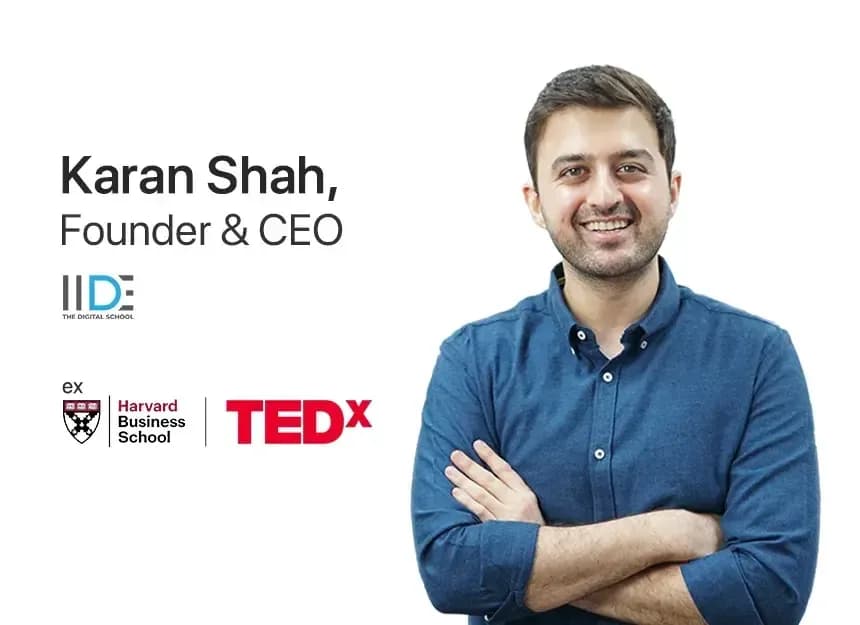
Find out in a free 45-min masterclass · Career paths, roles and growth explained · By Karan Shah, Founder & CEO, IIDE

Is Digital Marketing the Right Career for You?
Find out in a free 45-min masterclass · Career paths, roles and growth explained · By Karan Shah, Founder & CEO, IIDE
Marketing Objective and Business Challenge
Red Bull's main goal in 2026 is to be seen as a lifestyle brand, not just an energy drink.
They want to own the adrenaline space so completely that whenever someone thinks of extreme sports, peak performance, or pushing through a tough day, Red Bull is the first name that comes to mind.
Their marketing focus sits around three things: staying relevant with Gen Z, building brand loyalty that drives repeat sales, and protecting their premium image in a crowded market.
The challenge? Brands like Celsius and Ghost are growing fast by targeting health-conscious consumers who want clean, natural ingredients.
Gen Z consumers are also harder to impress. They research before they buy and expect brands to be fully honest with them.
Holding on to that bold, high-energy identity while adapting to a wellness-driven generation is the real battle Red Bull is fighting right now.
Buyers Persona:

Arjun Mehta
Bengaluru
Occupation: UX Designer and Amateur Motorsport Enthusiast
Age: 24 years
Motivation
- Wants to stay at peak performance through design sprints, hackathons, and late-night freelance sessions without burning out.
- Aspires to be part of bold, high-performance circles that match his fast-moving and ambitious lifestyle.
- Thrives on pushing limits, whether it is on the racetrack, in gaming, or delivering work ahead of deadline.
Interest & Hobbies
- Follows Formula 1 closely and competes in amateur karting on weekends
- Watches live esports tournaments on Twitch and plays Valorant and Call of Duty competitively
- Enjoys trail running, gym sessions, and spontaneous motorcycle road trips
Pain Points
- Energy crashes mid-session kill his focus right when deadlines and creative pressure peak
- A packed schedule constantly forces him to choose between his career and the adventures he lives for
- The fear of missing the next big trend, event, or cultural moment keeps him permanently on edge
Social Media Presence
- YouTube
- Twitch / Discord
Marketing Channels Used by Red Bull
Red Bull follows a marketing strategy that most beverage brands would never dare to try. Instead of spending on traditional ads, they built their own media empire, owned their own events, and put real people at the center of every campaign.
On the content and media front, they invested in:
- Red Bull Media House to produce original documentaries, films, and sports content.
- Red Bull TV to stream live events and extreme sports programs globally.
- The Red Bulletin magazine to reach over 2 million lifestyle-focused readers every month.
To build trust and cultural relevance, Red Bull partnered with 700 plus elite athletes across motorsport, gaming, and extreme sports, letting them tell the brand story naturally through their own content on YouTube, Instagram, TikTok, and Twitch.
They also earned massive traditional media exposure through Formula 1 race coverage, global sports broadcasts, and press features in publications like Forbes, BBC Sport, and ESPN, without paying for a single ad slot.
When it comes to sales, Red Bull stocks shelves across supermarkets, petrol stations, gyms, and nightclubs in 178 countries, with branded mini fridges at checkout counters driving impulse purchases every day.
This mix of owned media, experiential events, athlete partnerships, and smart retail placement is what keeps Red Bull at the top of the market year after year.
Red Bull's Marketing Strategy Breakdown
1. Digital Marketing
Red Bull spends roughly 25 to 30 percent of its total annual revenue on marketing, one of the highest ratios in the consumer goods industry.
- Their website targets lifestyle and action keywords like "Formula 1 live updates" and "MTB stunts" rather than generic energy drink searches.
- Interactive event portals and tournament sign-ups capture first-party consumer data directly.
- The brand's digital campaigns focus entirely on extreme entertainment, with the product integrated naturally into the action rather than pushed front and centre.
2. Content Strategy
Red Bull treats content as a product, not a promotional tool.
- Red Bull Media House (founded 2007): Produces sports documentaries, original films, and licensed content.
- Red Bull TV: Streams live extreme sports events and cultural programs globally for free.
- The Red Bulletin: Magazine reaches over 2 million readers monthly with sports and lifestyle stories.
- Red Bull Records: Supports indie and electronic artists, keeping the brand rooted in music culture.
Flagship Campaign Red Bull Stratos (2012)- Felix Baumgartner's freefall from the edge of space pulled 8 million concurrent YouTube views and generated billions in earned media at a fraction of the cost of traditional advertising.
3. Social Media Marketing
Red Bull runs its social channels like a curated extreme sports news network.
- YouTube (22 million plus subscribers): Long-form race highlights, athlete documentaries, and event recaps.
- Instagram and TikTok: Short, raw, high-energy POV clips and stunt footage designed to stop mid-scroll.
- Twitch and Discord: Live esports tournament sponsorships and real-time gaming community engagement.
Captions are always conversational and informal with zero corporate tone.
Community interaction includes athlete Q&As, AR filters, and meme-based content tailored to specific subcultures.
Monster Energy chose a rawer, louder identity rooted in metal music, motorsports, and street culture rather than owned media. The Marketing Strategy of Monster shows exactly how a rival built a billion-dollar brand on a completely opposite approach.
4. Influencer and Athlete Partnerships
Red Bull does not pay people to promote a drink. They build real, long-term partnerships with athletes and creators who genuinely live the brand.
- Global Athlete Roster (700 plus): Elite athletes across motorsport, extreme sports, and gaming naturally integrate Red Bull into their content every day.
- Athlete Support System: Athletes receive training support, media production resources, and access to Red Bull performance centres, not just a sponsorship deal.
- GoPro Partnership (2016): GoPro became the exclusive POV camera provider for all Red Bull events, creating first-person action content that both brands benefited from equally.
- Esports and Gaming Creators: Top creators including Ninja receive custom-funded streaming studio setups and host private Red Bull creator tournaments under the brand name.
Every partnership is built to feel native to the creator's world, which is exactly why it never looks like an ad.
5. App Marketing and Push Notifications
Red Bull TV App delivers live event broadcasts, athlete documentaries, and original series to mobile and connected TV screens.
- Push notifications are event-driven, not promotional.
- Examples include "Formula 1 Qualifying is live now" and "Watch this 90-foot cliff dive live."
- Notifications drive immediate app opens and live viewership at peak moments.
6. Email Marketing
Weekly emails deliver curated lifestyle content, upcoming events, and local athlete highlights with no product promotion.
- Email lists are segmented by interest. Formula 1 fans receive motorsport content while gamers receive esports tournament updates.
- This keeps open rates high and unsubscribe rates low because every email feels personally relevant.
7. Media Mix: Performance vs Organic
- Organic (80 percent): Owned sports franchises, Red Bull TV, self-funded events, and earned media from viral stunts.
- Performance (20 percent): Selective paid spend to scale existing viral content, run localised event ads, and capture e-commerce traffic during key retail windows.
8. Messaging and Tone of Voice
Core tagline: "Red Bull Gives You Wings" a philosophical promise of human potential, not a product description.
- Tone is energetic, daring, confident, and peer-like across every single channel.
- The voice never changes whether it appears on a YouTube documentary, a TikTok clip, or a push notification.
Results & Impact
Red Bull's marketing strategy has delivered results that most brands spend decades chasing. Here are the key highlights:
- 13.969 billion cans sold in 2025 (yes, billion!), proving that the demand for Red Bull is stronger than ever across every market they operate in.
- Group revenue crossed euro 12.196 billion in FY2025, continuing a growth run that has stayed consistent year after year without a single major dip.
- Red Bull holds a 43% global market share in the energy drink category, a number that competitors have tried and failed to crack for over a decade.
- Their owned digital platforms pull in over 2 billion annual views, giving the brand a direct audience relationship that no paid campaign can buy.
- Social listening data shows 80% plus positive brand sentiment, which is almost unheard of in a category that regularly faces health-related criticism.
User-generated content from events like Red Bull Flugtag and Soapbox Race floods Instagram and YouTube every year organically, with fans posting reels, race reactions, and event stories without being asked.
What Worked and Why
Red Bull's success came from one core decision: stop selling a drink and start selling a feeling.
- Their "adrenaline lifestyle" positioning caught people's attention because it gave consumers something to identify with, not just consume.
- Owning their events worked because it turned every attendee into a content creator.
- Millions of organic posts from Red Bull Flugtag and Soapbox Race go up every year without a single paid push.
- Athlete partnerships worked because people trust people.
- Red Bull used real athletes sharing real experiences, and that authenticity built emotional connections that no traditional ad ever could.
- Building the Red Bull Media House lowered their long-term marketing costs significantly and generated traffic and viewership that converted into genuine brand loyalty.
All of this helped Red Bull grow from a single energy drink into one of the most recognised lifestyle brands on the planet.
Red Bull's rise was not accidental it was built on clear strengths, bold bets, and a few weaknesses the brand is still navigating. The SWOT Analysis of Red Bull tells that story in full.
What Didn't Work and Why
For all its global success, Red Bull's audience has always leaned heavily male, leaving a large chunk of potential consumers feeling like the brand was never really built for them.
- Years of extreme sports and motorsport content made female consumers feel overlooked, and that gap is something the brand is still actively trying to close in 2026.
- Their digital experience also had room for improvement.
- For years the website functioned more as a content hub than a direct sales platform, which meant potential customers browsing for products often dropped off before completing a purchase.
- Red Bull was also slow to respond to the clean energy shift.
- By focusing too long on their original high-sugar formula, they handed brands like Celsius and Ghost a head start with health-conscious consumers that proved difficult to recover from.
- Finally, being built almost entirely around one product category remains their biggest long-term risk.
If regulations around high-caffeine or high-sugar drinks tighten in major markets, Red Bull has very few other products to absorb that kind of hit.
Conclusion
Red Bull has made one thing very clear over the past four decades. You do not need the best product in the room. You need the best story.
From a small Thai-inspired tonic to a €12 billion media and lifestyle empire, Red Bull never really sold an energy drink.
They sold speed, ambition, adventure, and the feeling that you are capable of pushing further than you think. They sold that idea so consistently, across so many channels and so many years, that the can itself became almost secondary to what it stands for.
Owning events, building a media house, signing 700 plus athletes, and spending 25 to 30 percent of revenue on marketing every single year takes a level of commitment that most brands simply are not willing to make.
But that commitment is exactly why Red Bull is still number one in 2026, with nearly 14 billion cans sold, a media house generating its own revenue, and a brand sentiment score that most companies can only dream about.
For any marketer trying to build something that actually lasts, Red Bull is not just a case study. It is a masterclass in what happens when a brand fully commits to an idea and never lets go of it.
Want to Know Why 2,50,000+ Students Trust Us?
Dive into the numbers that make us the #1 choice for career success


MBA - Level
Post Graduate in Digital Marketing & Business Strategy

Best For
Fresh Graduates

Mode of Learning
On Campus (Mumbai & Delhi)

Starts from
Nov 27, 2026

Duration
11 Months

Live & Online
Advanced Online Digital Marketing Course
Best For
Working Professionals
Mode of Learning
Online
Starts from
Nov 2, 2026
Duration
4-6 Months

Offline
Top AI Courses to Make You Future Ready!
Best For
AI Enthusiasts
Mode of Learning
2–5 Month Program
Starts from
Nov 24, 2026
Duration
Flexiable
Offline
Undergraduate Program in Digital Business & Entrepreneurship
Best For
12th Passouts
Mode of Learning
On Campus (Mumbai)
Duration
3 Years

Offline
Degree In 2026 ≠ Enough Degree + Digital Skills = Future-Ready
Best For
12th Passouts
Mode of Learning
At IIDE Campus
Duration
3 Years
Recent Post
You May Also Like
Red Bull was founded by Dietrich Mateschitz and Chaleo Yoovidhya in Austria in 1987.
Red Bull focuses on experiential marketing, owned media, and athlete-driven content instead of traditional ads. The brand sells an adrenaline lifestyle rather than just an energy drink.
Red Bull prefers to create its own content through the Red Bull Media House and own massive events like Flugtag. This builds deeper, more authentic connections with their target audience.
Red Bull builds long term partnerships with over 700 elite athletes across motorsports, gaming, and extreme sports. These athletes naturally integrate the brand into their daily content.
Red Bull spends roughly 25 to 30 percent of its total annual revenue on marketing. This is one of the highest marketing spend ratios in the entire consumer goods industry.
Red Bull runs its social channels like an extreme sports news network. They share raw, high energy stunt footage on TikTok and Instagram while hosting live gaming tournaments on Twitch.
The tagline is a philosophical promise of human potential, not just a product feature. It connects the drink to ambition, speed, adventure, and the drive to push past limits.
Red Bull sells nearly 14+ billion cans annually across 178 countries. This massive sales volume gives them a dominant 43 percent global market share in the energy drink category.

Lead Trainer & Business Development Head at IIDE
Aditya Shastri leads the Business Development segment at IIDE and is a seasoned Content Marketing expert. With over a decade of experience, Aditya has trained more than 20,000 students and professionals in digital marketing, collaborating with prestigious institutions and corporations such as Jet Airways, Godrej Professionals, Pfizer, Mahindra Group, Publicis Worldwide, and many others. His ability to simplify complex marketing concepts, combined with his engaging teaching style, has earned him widespread admiration from students and professionals alike.
Aditya has spearheaded IIDE’s B2B growth, forging partnerships with over 40 higher education institutions across India to upskill students in digital marketing and business skills. As a visiting faculty member at top institutions like IIT Bhilai, Mithibai College, Amity University, and SRCC, he continues to influence the next generation of marketers.
Apart from his marketing expertise, Aditya is also a spiritual speaker, often traveling internationally to share insights on spirituality. His unique blend of digital marketing proficiency and spiritual wisdom makes him a highly respected figure in both fields.