
Students Centric
Placements Report
Trackable results, real numbers
Reviews
Proven success, real voices
Trainers
Expert-led, Industry-Driven Training
Life at IIDE
Vibrant Spirit student life
Alumni
Successful Journeys, Inspiring Stories
Learning Centre
Webinars
Blogs
Case studies
Live, Interactive Masterclasses
Fresh Insights, quick reads
Real-life, Industry relevant
More
Hire from us
Hire Top Digital Marketing Talent
Work with us
Join Our Team, Make an Impact
Customised Training
Personalised digital marketing training for your company
Refer & earn
Simple, easy rewards
Contact us
Get the answers you need
About us
Know more about IIDE
Explore all course options

FOR FRESH GRADUATES
Post Graduation Program in Digital Marketing & Business Strategy- Ideal for Age: 20–25 Years

Can’t decide? Explore all our
Digital Marketing Courses
COMPARE ALL 3 PROGRAMSOnline & Offline
Explore Top AI CoursesIndustry-Aligned TRACKMost Popular
UG Program in Digital Business & Entrepreneurship- Ideal for 12th Pass out / FY Degree Student

PARTNER PROGRAMS







Can’t decide? Explore all
BBA In Digital Marketing Colleges
Orginally Written by Aditya Shastri
Updated on Feb 16, 2026
Share on:


Nirma’s marketing strategy transformed the Indian detergent market by offering an affordable and widely accessible product. However, as consumer preferences shifted toward modern formats and digital discovery, the brand’s consumer business lost relevance despite strong industrial growth.
Today, Nirma faces a gap between high brand recognition and low purchase consideration, especially among younger buyers.
The brand’s marketing objective is to rebuild relevance and preference while retaining its value-for-money positioning.
Before diving into the article, I’d like to inform you that the research and initial analysis for this piece were conducted by Virti Nandu. She is a current student in IIDE's Post Graduate Program in Digital Marketing (May 2025 Batch).
If you find this case study helpful, feel free to reach out to Virti Nandu and send a quick note of appreciation for her fantastic research - she’ll appreciate the kudos!
About Nirma
Imagine trying to fight a massive global corporation with nothing but a backyard experiment and a bicycle. In 1969, Dr. Karsanbhai Patel did exactly that, taking on giants who were selling detergent at ₹13 per kg.
His weapon was a simple yellow powder made in his own home in Ahmedabad, sold door-to-door for just ₹3 per kg. By offering a quality product at one-third the cost of his competitors, Karsanbhai didn't just undercut them. He unlocked a massive new market of middle-class buyers that the big players had completely ignored.
This bold move kicked off a golden era for the brand. Throughout the 1980s and 1990s, Nirma became unstoppable, not just because of the price, but because of its brilliant marketing.
That iconic television jingle Washing Powder Nirma became deeply ingrained in Indian culture, building massive trust and turning a local experiment into a symbol of everyday life across villages and cities alike.
But there is a side to Nirma that most people don't see. As the brand grew, it quietly transformed into an industrial giant.
Today, it operates across both Consumer and Industrial products. The group is now a leading producer of Linear Alkyl Benzene and among the largest soda ash producers globally.
Perhaps most impressively, they are the second-largest producer of vacuum-evaporated edible salt in India, operating the country’s largest salt works at a single location.
However, this industrial success hides a harsh truth about their consumer business. According to the Annual Report for FY 2025–26, the group’s real money now comes from these industrial products, not the washing powder that made them famous. The consumer side has slowly lost its shine.
As shoppers started looking for better quality and modern branding, Nirma stayed the same. It didn't adapt to the digital age or the demand for premium products.
Today, the brand has slipped out of people’s hearts. It is no longer a first choice. It is just a "legacy" option bought mainly because it is cheap and available, setting the stage for the massive challenge they face today.
Quick Stats
| CEO | Dr. Karsanbhai K Patel |
| CMO | Ashish Jha |
| Area Served | India |
| Industry | FMCG, Soda Ash, Cement, Salt |
| Market Revenue | INR 7,100-7,738 Crore (FY24-25 est.) |
| Vision | offer better quality products and services that maximise value to the customer |
| Tagline | Sabki Pasand Nirma |
While Nirma disrupted the market with low pricing, it is essential to compare the Marketing Mix of Hindustan Unilever to see how the market leader responded.
Marketing Strategy of Nirma
Nirma's STP and Marketing retain their core value-for-money focus in 2026, with subtle adaptations for eco-conscious consumers and digital growth amid stable market dynamics.
Segmentation, Targeting, and Positioning
Nirma maintains excellent reach through robust distribution channels spanning rural and urban India, ensuring vast coverage in 2026.
It segments by economic levels, prioritizing budget-conscious households unable to afford premium detergents while stressing 'Value for Money'now enhanced with eco-friendly variants for modern buyers.
Targeting all Indian households and laundry stores, Nirma positions as the affordable, high-value choice for price-sensitive families seeking reliable whitening and cleaning at reasonable prices.
Marketing Campaigns
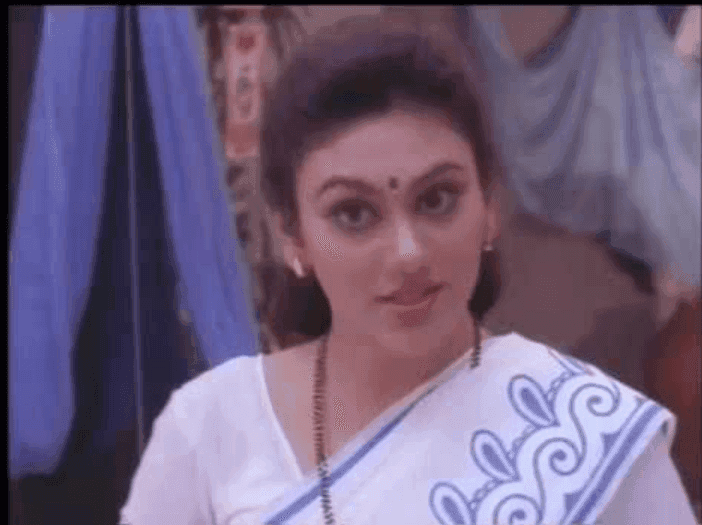
This was a television Ad which ran in the 1980s. In this ad, Nirma Described that the same superior quality is available at cheaper prices so why take the costly product?
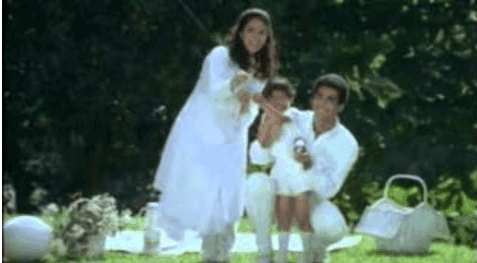
This ad was a great success depicting that every woman likes whitewashed clothes and that Nirma provides the best whitening in clothes.
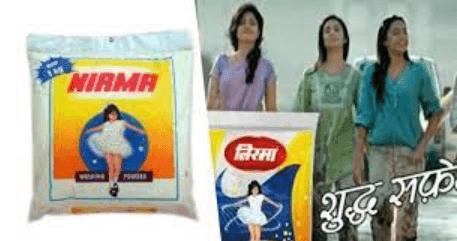
This advertisement most importantly breaks the stereotype of the typical Indian Middle-class woman who was a housewife and an affectionate mother and who was largely concerned with domestic duties but is now confident and bold, ready to take on any challenges.
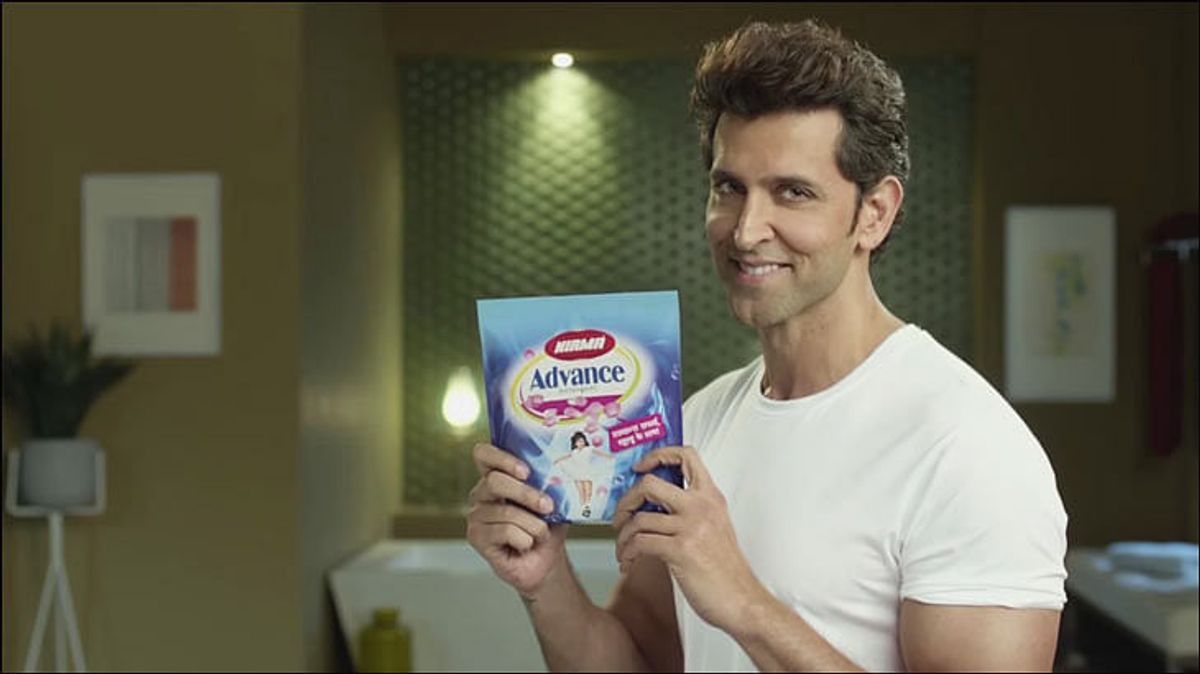
Hrithik Roshan stars in the active "Naye Zamane Ke Ziddi Daagon Ke Liye" campaign (launched pre-2026), targeting tough stains for modern families.

Is Digital Marketing the Right Career for You?
Find out in a free 45-min masterclass · Career paths, roles and growth explained · By Karan Shah, Founder & CEO, IIDE

Is Digital Marketing the Right Career for You?
Find out in a free 45-min masterclass · Career paths, roles and growth explained · By Karan Shah, Founder & CEO, IIDE
Marketing Objective or Business Challenge
Despite being a legendary household name with quality products, Nirma is facing a serious crisis of relevance. While the market evolved with liquid detergents, pods, and other specialized cleaning agents for washing machines, Nirma’s portfolio remained stuck in the past.
The brand failed to innovate and became disconnected from modern consumer needs.
Worse, the brand is struggling with brand recall because they are simply not present where the customers are. While the audience has moved to digital platforms and social media, Nirma is still relying on traditional methods.
Their social media pages have been inactive for years, still displaying old posts of Akshay Kumar and Hrithik Roshan. Even with Shehnaaz Gill as the current ambassador, there is no consistent content, just a single TVC released annually.
Nirma’s marketing objective is to strengthen its leadership in the mass-market detergent segment by reinforcing its value-for-money positioning among price-sensitive households across India.
The brand aims to sustain high brand recall and loyalty by combining wide rural and urban reach with affordable pricing and relatable messaging that connects with consumers.
Much like Nirma’s Gujarat-based origins, the Business Model of Amul showcases the power of local supply chains in capturing the Indian heartland.
Buyers Persona:

Priya
Ahmedabad
Occupation: Housewives
Age: 25 – 55 years old
Motivations
- Maximise the monthly household budget with efficient, reasonably priced detergents
- Prefer legacy brands trusted since childhood and used at home for years
- Look for strong foam and reliable cleaning for uniforms and workwear
- Feel confident choosing practical products over expensive “fancy” labels
Interests & Lifestyle
- Watches daily soaps, cricket, and regional cinema as family entertainment
- Actively compares deals at kirana stores, wholesale markets, and supermarket discounts
- Enjoys sharing relatable comedy and devotional content with family
- Follows practical home remedies and “desi jugaad” fixes to save money
Pain Points
- Tough oil, mud, and sweat stains require long scrubbing
- Rising premium detergent prices strain overall household spending
- Worry that loose or unbranded powders may damage fabrics or irritate hands
- Frustrated by “magic” marketing claims that don’t outperform regular powder
Social Media Behaviour
- YouTube
Marketing Channels Used by Nirma
Nirma has historically followed a mass-market strategy that relies heavily on traditional media, deep retail distribution, and iconic audio branding, rather than the digital-first approach used by modern brands.
Television & Radio: This is their primary engine. They run high-frequency ads on news channels and general entertainment networks to ensure the brand stays top-of-mind for the average Indian household with simple, direct messaging around Swadeshi (Made in India), Safedi (whiteness), and Kifayati (value for money).
Outdoor Advertising: You will often see Nirma on large wall paintings in rural villages, railway stations, and billboards in Tier 2 cities where internet usage might be lower.
Retail Network: Nirma has one of the deepest distribution networks in India, ensuring availability in millions of local Kirana stores.
Digital & E-commerce Presence: Nirma is minimally active online, listed on a few e-commerce sites, with social media rarely updated and YouTube mainly hosting long-format TV commercials.
Nirma Marketing Strategy Breakdown
1. Sonic Branding as the Core Strategy
While most brands focus on explaining product features, Nirma built its identity around sound.
The brand understood early that a catchy tune stays in memory far longer than technical explanations about ingredients or performance.
The Jingle as a Brand Asset
- The iconic “Washing Powder Nirma” tune is more than just a song it is one of the brand’s strongest marketing assets.
- It created deep emotional recall among consumers and continues to trigger nostalgia and trust even today.
Visual Consistency
- The spinning girl mascot on the packaging has remained unchanged for decades.
- This consistency works like a visual cue on crowded store shelves, helping hurried shoppers and even low-literacy buyers identify the brand instantly.
2. Celebrity Power to Shift Brand Perception
Nirma faced a long-standing challenge: low price was often equated with low quality.
To overcome this, the brand strategically associated itself with popular celebrities to elevate perception.
Masculine Appeal
Featuring action stars like Hrithik Roshan and Akshay Kumar helped position Nirma as powerful and tough on stains, moving beyond the stereotype of being only a “housewife’s detergent.”
Relatability Factor
The choice of Shehnaaz Gill reflects a modern, aspirational journey from small towns to big cities.
Mirroring the life story and ambitions of Nirma’s core audience.
3. The “Modern Nostalgia” Campaign Push
To reconnect with younger audiences, Nirma launched a refreshed campaign for Nirma Advance.
The Remix Strategy
- Instead of traditional advertising, the campaign was designed like a music video.
- It brought together Daler Mehndi for energy and Vaishali Samant for nostalgic recall.
Campaign Objective
- The idea was to blend the trust of the past with the vibrancy of the present.
- Making the brand feel energetic, relevant, and appealing to younger consumers who typically ignore conventional detergent ads.
4. Deep Distribution Network as a Marketing Strength
Nirma’s biggest competitive advantage has always been its availability.
Direct-to-Retailer Model
- In its early days, the brand bypassed traditional distributors and sold directly to retailers.
- By removing middlemen, Nirma offered better margins to shopkeepers, motivating them to actively push the brand.
Strong Rural Penetration
- This approach helped build a deep distribution network across India.
- Today, Nirma is widely available even in the smallest villages where premium brands often struggle due to pricing or logistics.
5. Messaging and Brand Voi ce
Nirma’s communication has always been simple, emotional, and rooted in Indian values.
Core Themes
- Swadeshi (Made in India)
- Safedi (Whiteness and cleaning power)
- Kifayati (Affordability and value for money)
Tone and Language
The brand speaks in a humble yet confident voice, using simple language that resonates with the masses rather than complex marketing jargon.
Tagline Impact
“Sabki Pasand Nirma” reinforces the idea of collective trust positioning the brand as a smart, popular choice that millions of Indians already believe in.
Nirma’s expansion into the soap category put it in direct competition with heritage brands; you can compare their positions in this SWOT Analysis of Lifebuoy.
Results & Impact
Nirma’s marketing outcomes reflect a clear contrast between strong legacy-led recall and weak modern market adaptation.
Brand Recall & Retention: The iconic jingle and spinning girl mascot continue to deliver high mental availability in rural India, supporting an estimated ~12% share in the mass-market detergent segment, largely driven by repeat purchases.
Campaign Engagement: The recent “Tujhsa Hi Nirma Hai” campaign featuring Daler Mehndi and Vaishali Samant gained over 1 million YouTube views within 1 month organically, without any paid ads.
Retail Reach Impact: Presence across lakhs of kirana and mass retail outlets ensured constant shelf visibility, sustaining volume sales in rural and Tier-2 markets despite limited digital activity.
Youth Re-engagement: The remix-led campaign triggered renewed digital conversations after years of inactivity, marking Nirma’s first measurable re-entry into youth-focused platforms.
What Worked & Why
Sonic Branding & Mascot: The Washing Powder Nirma jingle and spinning girl remain strong memory cues, directly contributing to recall-led purchases in price-sensitive markets.
Celebrity Endorsements: Associations with Hrithik Roshan, Akshay Kumar, and Shehnaaz Gill helped counter the "low price = low quality" perception and reinforced trust.
Modern Nostalgia Strategy: Remixing the iconic jingle with contemporary voices successfully unlocked organic digital reach, proving nostalgia still drives engagement when refreshed correctly.
Deep Distribution Model: Direct-to-retailer strategy ensured availability in small towns and villages, converting visibility into consistent sales.
Relatable Communication: Simple, culturally rooted messaging like Sabki Pasand Nirma sustained emotional relevance among middle-class households.
What Didn’t Work & Why
Product Innovation Gap: Absence of liquids, pods, and machine-specific variants limited relevance in urban and modern households, where competitors expanded aggressively.
Tag Perception is low : The very "affordability" that built the brand is now hurting them, as aspirational buyers associate "low price" with "harsh chemicals" or "low quality" for their expensive clothes.
Digital & Social Media Neglect: Digital Silence was a major strategic error. By ignoring social media for years and treating it as a "TV ad storage unit," they completely lost connection with the Gen-Z and Millennial audience.
Limited Paid Media Use: Lack of Google, Meta, or e-commerce ads reduced discoverability, letting competitors capture online shoppers searching for “best detergent” or “stain remover.”
Want to Know Why 50,00,00+ Students Trust Us?
Dive into the numbers that make us the #1 choice for career success


MBA - Level
Post Graduate in Digital Marketing & Business Strategy

Best For
Fresh Graduates

Mode of Learning
On Campus (Mumbai & Delhi)

Starts from
Oct 1, 2026

Duration
11 Months

Live & Online
Advanced Online Digital Marketing Course
Best For
Working Professionals
Mode of Learning
Online
Starts from
Sep 4, 2026
Duration
4-6 Months

Online
Professional Certification in AI Strategy
Best For
AI Enthusiasts
Mode of Learning
Online
Starts from
Sep 8, 2026
Duration
5 Months

Online or Offline
Top AI Courses to Make You Future Ready!
Best For
AI Enthusiasts
Mode of Learning
2–5 Month Program
Starts from
Sep 8, 2026
Duration
Flexiable

On Campus
Advanced Certification in Artificial Intelligence
Best For
AI Enthusiasts
Mode of Learning
On Campus (Mumbai)
Starts from
-
Duration
3 Months
Offline
Undergraduate Program in Digital Business & Entrepreneurship
Best For
12th Passouts
Mode of Learning
On Campus (Mumbai)
Starts from
-
Duration
3 Years
Offline
Degree In 2026 ≠ Enough Degree + Digital Skills = Future-Ready
Best For
12th Passouts
Mode of Learning
At IIDE Campus
Starts from
-
Duration
3 Years
Recent Post
You May Also Like

Lead Trainer & Business Development Head at IIDE
Aditya Shastri leads the Business Development segment at IIDE and is a seasoned Content Marketing expert. With over a decade of experience, Aditya has trained more than 20,000 students and professionals in digital marketing, collaborating with prestigious institutions and corporations such as Jet Airways, Godrej Professionals, Pfizer, Mahindra Group, Publicis Worldwide, and many others. His ability to simplify complex marketing concepts, combined with his engaging teaching style, has earned him widespread admiration from students and professionals alike.
Aditya has spearheaded IIDE’s B2B growth, forging partnerships with over 40 higher education institutions across India to upskill students in digital marketing and business skills. As a visiting faculty member at top institutions like IIT Bhilai, Mithibai College, Amity University, and SRCC, he continues to influence the next generation of marketers.
Apart from his marketing expertise, Aditya is also a spiritual speaker, often traveling internationally to share insights on spirituality. His unique blend of digital marketing proficiency and spiritual wisdom makes him a highly respected figure in both fields.