
Students Centric
Placements Report
Trackable results, real numbers
Reviews
Proven success, real voices
Trainers
Expert-led, Industry-Driven Training
Life at IIDE
Vibrant Spirit student life
Alumni
Successful Journeys, Inspiring Stories
Learning Centre
Webinars
Blogs
Case studies
Live, Interactive Masterclasses
Fresh Insights, quick reads
Real-life, Industry relevant
More
Hire from us
Hire Top Digital Marketing Talent
Work with us
Join Our Team, Make an Impact
Customised Training
Personalised digital marketing training for your company
Refer & earn
Simple, easy rewards
Contact us
Get the answers you need
About us
Know more about IIDE
Explore all course options

FOR FRESH GRADUATES
Post Graduation Program in Digital Marketing & Business Strategy- Ideal for Age: 20–25 Years

Can’t decide? Explore all our
Digital Marketing Courses
COMPARE BOTH OUR PROGRAMSOffline
Offline AI Courses with Dual CertificationsIndustry-Aligned TRACKMost Popular
UG Program in Digital Business & Entrepreneurship- Ideal for 12th Pass out / FY Degree Student

PARTNER PROGRAMS






Can’t decide? Explore all
BBA In Digital Marketing Colleges
Orginally Written by Aditya Shastri
Updated on Jun 23, 2026
Share on:


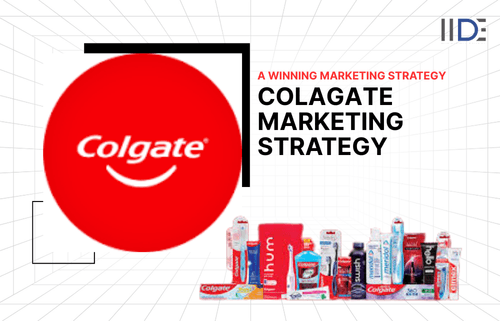
Colgate India’s marketing strategy has positioned it as a leader in the oral care market, with a market share of over 50% as of 2025. Facing slowing demand, herbal competition, and consumer confusion, Colgate focused on premiumization and digital campaigns to engage consumers.
The brand launched parenting-led campaigns to build trust and expanded its e-commerce presence to meet the needs of modern consumers.
Colgate’s strategy heavily relies on digital marketing, particularly social media and influencer campaigns, while maintaining its strong retail presence. This integrated approach combines tradition with innovation to enhance loyalty, address affordability, and solidify Colgate’s place as a trusted oral care brand.
Before diving into this article, I’d like to inform you that the research and initial analysis for this piece were conducted by Keval Soni, a current student in IIDE’s PG Digital Marketing course (2025 Batch).
If you found this helpful, feel free to reach out to Keval Soni to send a quick note of appreciation for her fantastic research - he’ll appreciate the kudos!
About Colgate
Founded by William Colgate in 1806 as a small candle and soap business, Colgate has surely come a long way. Headquartered in New York City, Colgate has subsidiaries all over the world and a vibrant, global consumer base.
Colgate is known all over the world for high-quality oral hygiene, so much so that it has dominated the world market when it comes to toothbrushes, toothpaste, and dental hygiene.
Over the past few decades, Colgate has achieved this standard by implementing fantastic marketing strategies and even getting dentists on board to endorse its products.

Is Digital Marketing the Right Career for You?
Find out in a free 45-min masterclass · Career paths, roles and growth explained · By Karan Shah, Founder & CEO, IIDE

Is Digital Marketing the Right Career for You?
Find out in a free 45-min masterclass · Career paths, roles and growth explained · By Karan Shah, Founder & CEO, IIDE
Marketing Objective or Business Challenge
As of 2026, Colgate’s primary marketing objective is to transition from a reactive repair brand to a proactive health-tech partner by leveraging AI-driven diagnostics and "product-service loops." Facing the challenge of a highly saturated global market where 80% of consumers brush only once daily, Colgate is moving beyond traditional toothpaste sales toward premiumization and behavioral change.
By integrating free digital dental screenings into their packaging and expanding their science-backed "beauty-forward" categories (like the Visible White Purple line), the brand aims to unlock higher lifetime value, driving a targeted 1% to 4% organic sales growth despite global macroeconomic volatility and intense competition from local players.
Buyers Persona:

Isha Verma
Primarily Tier 1 and Tier 2 cities
Occupation: Working Profession, Students, Parents
Motivations
- Seeks trusted, effective oral care products for their family.
- Prefers brands that offer a balance of premium quality and affordability.
- Concerned about health and wellness for the entire family.
- Interested in natural ingredients and herbal solutions for oral care.
Interests & Hobbies
- Follows wellness, health, and beauty trends.
- Active on social media, following influencers in the health and beauty space.
- Watches lifestyle content, including family care and well-being.
- Participates in online shopping for convenience and deals.
Pain Points
- Frustrated with high-priced products without noticeable value.
- Concerned about harmful chemicals in some oral care products.
- Wants assurance of value for money, especially when budgets are tighter.
- Seeks products that cater to natural/organic preferences in oral care.
Social Media / Digital Presence
- Active on Instagram, YouTube, and Facebook.
- Engages with influencer content that aligns with family health and wellness.
- Follows brands with natural/organic positioning in their marketing.
- Uses e-commerce platforms (Amazon, Flipkart) for purchasing oral care products.
Marketing Channels Used by Colgate India
1. Digital Marketing
- SEO & Content: Colgate leveraged oral health blogs, dentist Q&A, and campaign microsites to educate parents and drive organic traffic.
- Influencer Marketing: Collaborated with micro-parenting creators and dentists to produce relatable brushing reels and educational content for Instagram and YouTube Shorts.
- E-commerce Marketing: Promoted products through targeted ads, seasonal bundles, and personalised recommendations on Flipkart, Amazon, and BigBasket, boosting conversions.
2. Traditional Marketing
- TV Advertising: Remains a backbone for mass reach, running family-oriented ads across Hindi and regional languages to reinforce trust and credibility.
- Print & Outdoor: Newspaper spreads, metro branding, and hoardings in Tier 1 and urban areas ensured consistent offline visibility.
- On-ground Programs: Initiatives like Bright Smiles, Bright Futures in schools and rural dental camps engaged communities directly, building long-term brand trust.
Marketing Strategy Breakdown of Colgate India
1. Digital-First Storytelling
- Campaign: Smile Karo Aur Shuru Ho Jaao - Colgate continued its flagship campaign, emphasising the power of a smile to inspire positivity and action. “Smile karo aur shuru ho jao” reached 300 million+ urban consumers, boosting brand recall to 69% and lifting “oral-care expertise” perception to 83%, reinforcing consumer trust.
- Execution: Featured real-life stories of individuals overcoming challenges, such as Divyanshu Ganatra, India's first visually impaired solo paragliding pilot.
- Platforms: Launched across YouTube, Instagram, and Colgate microsites.
- Community Engagement: Introduced the Keep India Smiling Scholarship, supporting youth with mentorship and financial aid.
2. Influencer Marketing
- Campaign: Smile Out Loud & Parenting Reels - Colgate collaborated with micro-parenting influencers and dentists to educate and emotionally connect with Indian parents.
- Execution: Influencers shared tips on kids' brushing and sensitive teeth, using authentic home settings.
- Platforms: Reels on Instagram and YouTube Shorts.
- Community Engagement: Followers contributed user-generated content, boosting organic reach.
3. Retail & E-commerce Push
Colgate focused on premiumization and omnichannel availability to reach both urban and semi-urban consumers.
- Ecom ads: including high-impact Amazon and Flipkart ads, highlight Colgate’s excellence in creative, omnichannel marketing. Advertising & promotions spend climbed to ₹822 cr in FY 25, up 8.2% YoY, cementing leadership.
- Offers: Introduced limited-time bundles and personalised recommendations to increase conversion rates.
- Offline Presence: Maintained a dominant shelf presence in pharmacies, supermarkets, and kirana stores, supported by POS branding.
4. Traditional Marketing
While digital campaigns drove engagement, TV and regional media remained critical for mass reach and reinforcing Colgate’s trust narrative.
- TV Ads: Family-oriented commercials emphasised the “trust of doctors,” portraying relatable morning routines and family bonding.
- Regionalisation: Ads were dubbed and adapted in Tamil, Bengali, Marathi, and other regional languages to resonate culturally with diverse audiences.
- Print & Outdoor: Newspaper spreads, metro branding, and outdoor hoardings complemented TV campaigns, ensuring consistent visibility across multiple touchpoints.
5. Messaging & Brand Voice
Colgate maintained a consistent voice, empathetic, simple, and trustworthy, across all channels.
- Key Themes: Health, family love, daily routines, and premium oral protection.
- Language & Style: Used everyday Hindi and regional dialects in TV, print, and digital ads to create relatability and trust.
Results & Impact
- Colgate retained its No. 1 oral-care position in India, holding steady market share despite rising herbal/ayurvedic competition.
- Advertising & promotions spend rose 8.2% YoY to ₹822 crore, powering both digital and offline visibility and premium product growth.
- The “Smile Karo Aur Shuru Ho Jaao” campaign reached 300 million+ urban consumers, lifting brand recall to 69% and “oral-care expertise” perception to 83%.
- The Keep India Smiling Scholarship deepened goodwill by providing mentorship and financial aid to youth.
- Influencer campaigns like “Smile Out Loud” drove high Instagram and YouTube engagement, generating user-generated content and stronger awareness among young parents.
- Retail & e-commerce pushes with Amazon/Flipkart ads, bundles, and personalised recommendations improved conversion rates and average order value while driving premiumization.
- Traditional media, family-oriented TV ads, and regional-language adaptations ensured mass reach and cultural relevance across urban and semi-urban markets.
- Consistent, empathetic brand voice in Hindi and regional dialects reinforced trust, creating a seamless cross-channel experience and boosting repeat purchase intent.
What Worked & Why?
Colgate's marketing strategy was successful because it deeply understood the needs of families, offering simple, reliable oral health solutions. By addressing common parental concerns, Colgate's campaigns resonated emotionally with their target audience.
Specific Insight/Innovation that Stood Out:
- The combination of TV ads for broad reach, digital platforms to target younger urban parents, and in-store promotions to encourage purchases created a balanced, effective media mix.
- Additionally, Colgate’s premiumization strategy, offering specialised products like Sensitive, Herbal, and Whitening, helped the brand stand out in a competitive market, driving revenue despite declining category volumes.
- Furthermore, the "Bright Smiles, Bright Futures" school programs played a key role in building trust and loyalty among families, further solidifying Colgate as a reliable, community-focused brand.
What Didn’t Work & Why?
Urban Slowdown and Affordability Perception:
- Premium products are facing a significant sales decline in urban markets.
- Consumers perceive these high-priced items as unaffordable due to economic shifts and increased price sensitivity, leading them to seek cheaper alternatives.
- This indicates a mismatch between the brand's premium positioning and current consumer purchasing power.
Herbal Positioning Gap and Intense Competition:
- The brand's herbal offerings, like Colgate Vedshakti, struggle against local competitors such as Dabur.
- Dabur has a stronger, more authentic association with Ayurveda, creating a "herbal positioning gap."
- This makes it difficult for Vedshakti to establish a distinct identity in the highly competitive herbal segment.
Limited Non-Resident Indian (NRI) Outreach:
- The brand is missing a key opportunity by not targeting Non-Resident Indians.
- NRIs often maintain a strong connection to Indian brands, but current marketing focuses solely on the domestic market.
- Expanding outreach to this loyal consumer base abroad could unlock a valuable revenue stream and strengthen the brand's global presence.
IIDE Student Recommendations: Key Areas for Improvement
1. Deeper Vernacular Campaigns
- To significantly grow in Tier 2/3 cities, we will expand influencer partnerships in Tamil, Telugu, and Bengali-speaking regions, utilising local influencers to engage consumers.
- Concurrently, we will launch targeted regional YouTube campaigns in the U.S. and the Middle East to connect with Non-Resident Indians (NRIs) who trust Colgate India products.
2. Broaden Keyword Coverage
- Move beyond traditional oral health terms to include "parenting hacks" and "healthy lifestyle routines."
- This will help capture a wider audience actively searching for relevant content, increasing search traffic and brand visibility.
3. Gamified Kids Engagement
- Develop interactive AR filters or brushing timer games specifically for children.
- These can be integrated into popular platforms like Instagram Reels or YouTube Kids to make oral hygiene fun and engaging for a younger audience.
4. Affordable Premium Packs
- Introduce smaller, more affordable premium toothpaste packs in the ₹30–₹40 range.
- This makes high-quality oral care accessible to a broader mass market, boosting sales and penetration.
5. Stronger Herbal Play
- Double down on the Vedshakti line by securing endorsements from credible Ayurveda-backed influencers, such as Ayurvedic doctors and yoga instructors.
- This reinforces the natural and health-conscious appeal of the product.
6. Sustainability Push
- Implement eco-friendly packaging initiatives and launch toothbrush recycling campaigns.
- These efforts are designed to appeal to environmentally conscious Gen Z parents and align with their values.
To Conclude
Colgate India’s 2026 marketing strategy demonstrates a masterful balance between mass-market trust and digital-first innovation, successfully maintaining its top-tier status through a mix of high-impact TV campaigns and hyper-targeted influencer storytelling.
While the brand has seen massive success with its "Smile Karo Aur Shuru Ho Jaao" narrative, reaching over 300 million consumers and boosting brand recall to 69%, it now faces the dual challenge of navigating an urban premiumization slowdown and stiff competition from authentic Ayurvedic players like Dabur.
To sustain this momentum, Colgate’s path forward lies in closing the herbal positioning gap through credible endorsements, expanding into vernacular and NRI markets, and making premium oral care more accessible via smaller, affordable price points.
Ultimately, by integrating sustainability and gamified engagement for younger generations, Colgate is effectively evolving from a legacy toothpaste provider into a modern, wellness-centric health partner.
Want to Know Why 5,00,000+ Students Trust Us?
Dive into the numbers that make us the #1 choice for career success



MBA - Level
Post Graduate in Digital Marketing & Business Strategy

Best For
Fresh Graduates

Mode of Learning
On Campus (Mumbai & Delhi)

Starts from
Nov 27, 2026

Duration
11 Months

Live & Online
Advanced Online Digital Marketing Course
Best For
Working Professionals
Mode of Learning
Online
Starts from
Oct 7, 2026
Duration
4-6 Months

Offline
Top AI Courses to Make You Future Ready!
Best For
AI Enthusiasts
Mode of Learning
2–5 Month Program
Starts from
Nov 23, 2026
Duration
Flexiable
Offline
Undergraduate Program in Digital Business & Entrepreneurship
Best For
12th Passouts
Mode of Learning
On Campus (Mumbai)
Starts from
-
Duration
3 Years

Offline
Degree In 2026 ≠ Enough Degree + Digital Skills = Future-Ready
Best For
12th Passouts
Mode of Learning
At IIDE Campus
Starts from
-
Duration
3 Years
Recent Post
You May Also Like
Colgate now combines physical products (toothpaste) with digital services, such as AI-powered dental screenings, to create a continuous ecosystem of care.
As of early 2026, Colgate remains the market leader in India, holding over 50% of the oral care market.
The campaign shifts the focus from functional benefits (white teeth) to emotional optimism, positioning a smile as a tool for overcoming life's challenges.
In the 2025-2026 period, Colgate India’s advertising and promotion spend grew to approximately ₹822 crore, an 8.2% year-on-year increase.
Colgate collaborates with micro-influencers - specifically dentists and parents to create educational content like Parenting Reels for Instagram and YouTube.
Urban marketing focuses on premiumization and e-commerce ads, while rural strategy relies on family-oriented TV commercials and on-ground school programs.
While it competes globally with P&G (Oral-B), in India its main challenge comes from herbal brands like Dabur and Patanjali.

Lead Trainer & Business Development Head at IIDE
Aditya Shastri leads the Business Development segment at IIDE and is a seasoned Content Marketing expert. With over a decade of experience, Aditya has trained more than 20,000 students and professionals in digital marketing, collaborating with prestigious institutions and corporations such as Jet Airways, Godrej Professionals, Pfizer, Mahindra Group, Publicis Worldwide, and many others. His ability to simplify complex marketing concepts, combined with his engaging teaching style, has earned him widespread admiration from students and professionals alike.
Aditya has spearheaded IIDE’s B2B growth, forging partnerships with over 40 higher education institutions across India to upskill students in digital marketing and business skills. As a visiting faculty member at top institutions like IIT Bhilai, Mithibai College, Amity University, and SRCC, he continues to influence the next generation of marketers.
Apart from his marketing expertise, Aditya is also a spiritual speaker, often traveling internationally to share insights on spirituality. His unique blend of digital marketing proficiency and spiritual wisdom makes him a highly respected figure in both fields.