
Students Centric
Placements Report
Trackable results, real numbers
Reviews
Proven success, real voices
Trainers
Expert-led, Industry-Driven Training
Life at IIDE
Vibrant Spirit student life
Alumni
Successful Journeys, Inspiring Stories
Learning Centre
Webinars
Blogs
Case studies
Live, Interactive Masterclasses
Fresh Insights, quick reads
Real-life, Industry relevant
More
Hire from us
Hire Top Digital Marketing Talent
Work with us
Join Our Team, Make an Impact
Customised Training
Personalised digital marketing training for your company
Refer & earn
Simple, easy rewards
Contact us
Get the answers you need
About us
Know more about IIDE
Explore all course options

FOR FRESH GRADUATES
Post Graduation Program in Digital Marketing & Business Strategy- Ideal for Age: 20–25 Years

Can’t decide? Explore all our
Digital Marketing Courses
COMPARE BOTH OUR PROGRAMSOffline
Offline AI Courses with Dual CertificationsIndustry-Aligned TRACKMost Popular
UG Program in Digital Business & Entrepreneurship- Ideal for 12th Pass out / FY Degree Student

PARTNER PROGRAMS





Can’t decide? Explore all
BBA In Digital Marketing Colleges
Orginally Written by Aditya Shastri
Updated on Jun 9, 2026
Share on:


About Nike
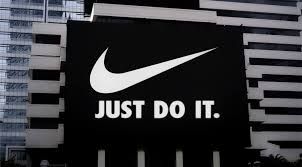
Ask any Indian college student to name one sports brand, and chances are, Nike comes first. Not because of the biggest ad budget, but because somewhere along the way, Nike stopped being a shoe brand and became a personal statement.
That identity was built over six decades. Phil Knight, a runner from Oregon, started by selling Japanese running shoes from the boot of his car in 1964. His coach, Bill Bowerman, obsessively redesigned every shoe they sold. Together, they built Blue Ribbon Sports, which became Nike in 1971, named after the Greek goddess of victory.
The brand changed forever in 1984 when Nike signed a 21-year-old Michael Jordan to a deal that created the Air Jordan line and permanently redefined what a sports brand could be. "Just Do It," launched in 1988, became one of the most recognised taglines in advertising history. Not because it sold shoes but because it spoke to something every person feels.
Today, Nike operates in 190+ countries, employs 44,000+ people, and generates $46.3 billion in revenue. But in 2026, for the first time in decades, the brand is being forced to ask itself a hard question: Does the world still feel the same way about Nike?
| Quick Stats Table | |
|---|---|
| Metric | Details |
| Founded | 1964, Eugene, Oregon, USA (as Blue Ribbon Sports) |
| Founders | Phil Knight & Bill Bowerman |
| CEO | Elliott Hill (returned October 2024) |
| Headquarters | Beaverton, Oregon, USA |
| Company Type | Public |
| Employees | 44,000+ |
| Annual Revenue | $46.3 Billion (FY2025) |
| Revenue Change | -10% YoY steepest decline in decades |
| Gross Margin | 40.3% (FY2025) |
| Nike Direct Revenue | $18.8 Billion |
| Digital Sales Change | -20% YoY |
| Market Cap | ~$95 Billion (2026) |
| Retail Stores | 1,000+ Globally |
| Countries Present | 190+ |
| Listed On | NYSE (NKE) |
| India Entry | 1996 |
| Key Competitors | Adidas, Puma, Under Armour, New Balance, Lululemon |
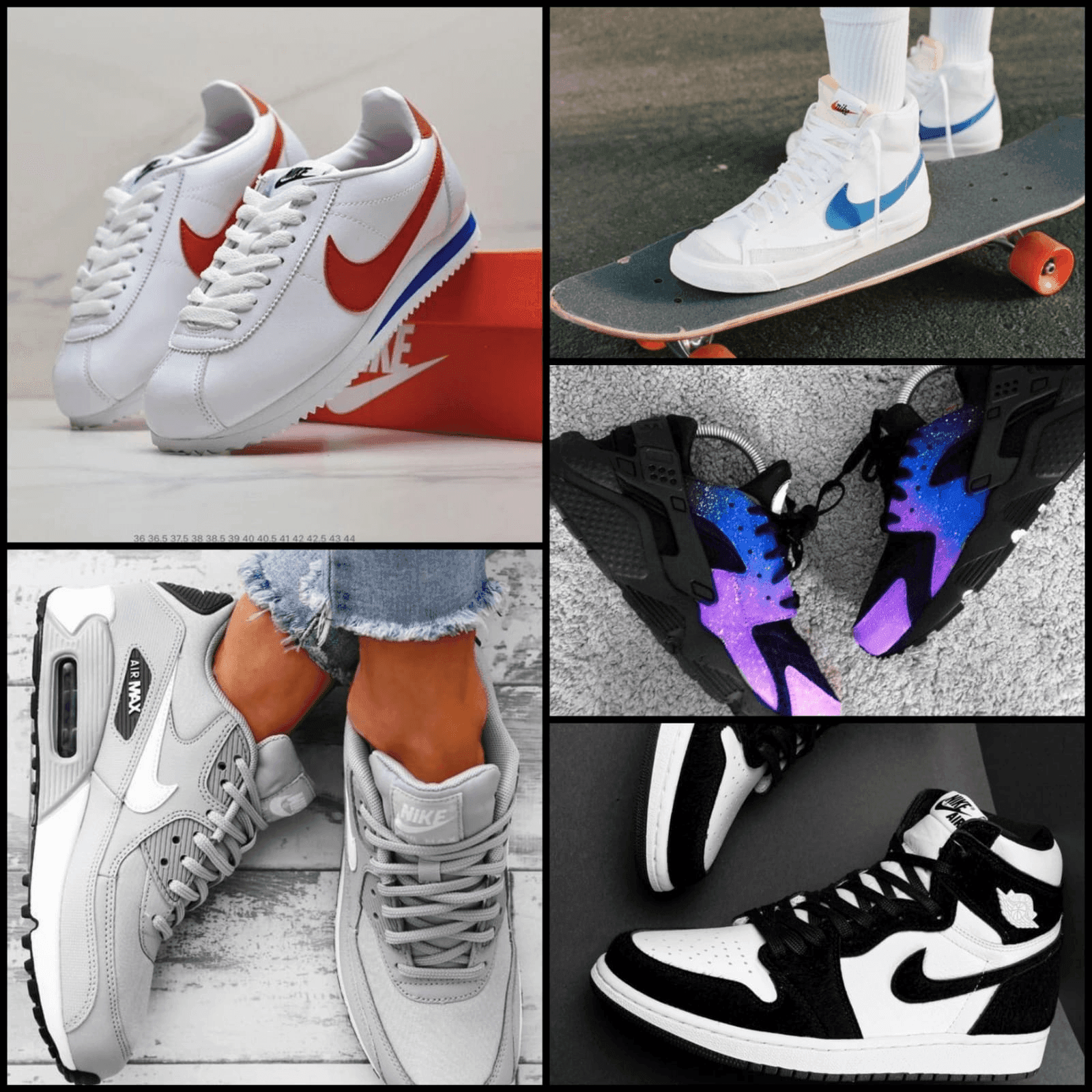
| Signature Products | Air Jordan, Air Max, Air Force 1, Dri-FIT, Nike Pro |
Marketing Objective Challenge
Nike's marketing challenge in 2026 is unlike anything the brand has faced before. For three decades, the formula was simple: sign the biggest athletes, tell the most emotional stories, and let the product speak for itself. That formula built a $90 billion company. It also made Nike complacent.
The Core Challenges:
1. The Direct-to-Consumer Bet That Backfired - Between 2020 and 2023, Nike aggressively cut ties with wholesale partners like Foot Locker and department stores, betting everything on its own Nike app and website. Digital sales boomed during COVID, then collapsed. By FY2025, Nike Brand Digital was down 20% year-on-year, and the wholesale partners Nike had abandoned were now showcasing Adidas, New Balance, and On Running instead. Nike had optimised for a digital future that its customers weren't ready for.
2. Losing the Sneaker Culture - Nike built its brand on cultural relevance, Air Jordans, Dunks, collaborations with Kanye, Travis Scott, and Off-White. But by over-retailing its most coveted silhouettes and losing its scarcity edge, Nike turned hype into habit. The sneakerhead community, Nike's most vocal brand ambassadors, quietly started moving to New Balance and Adidas.
3. China Market Collapse - China was supposed to be Nike's next $10 billion opportunity. Instead, domestic Chinese brands like Anta and Li-Ning capitalised on rising nationalist sentiment, and Nike's China revenues declined sharply. A market that was growing at 20%+ annually is now a problem that has no easy fix.
4. India Opportunity Not Yet Captured - India is the world's fastest-growing major economy and has 600 million people under 25. Nike has been present since 1996, but has never truly cracked India's mass market, where Adidas, Puma, and homegrown brands like HRX by Hrithik Roshan compete aggressively on price. Nike's premium positioning works for urban youth but leaves most of India's addressable market untouched.
5. The Innovation Gap - For years, Nike's product pipeline relied on retro silhouettes, Air Max, Air Force 1, and Dunk rather than genuine innovation. Competitors like On Running, Hoka, and New Balance filled the gap with performance-first products that serious runners and gym-goers actually preferred. Nike is now playing catch-up in the very category it invented.
Nike's Marketing Objectives in 2026:
- Rebuild wholesale relationships and rebalance the Direct-to-Consumer model
- Reignite cultural heat around key franchises Air Jordan, Dunk, Air Max
- Recover China market share lost to domestic competitors. Expand India market penetration beyond premium urban youth
- Re-establish Nike as a performance innovation leader, not just a lifestyle brand
Target Audience
Nike does not market to one type of customer; it markets to an emotion. But behind that emotion are five very distinct audience segments, each requiring a different approach.
- The Serious Athlete - Professional and semi-professional athletes across football, basketball, tennis, cricket, and running. In India, this includes club-level cricketers, gym regulars, and competitive runners who need performance gear that actually works. Nike markets to this segment through athlete endorsements, performance product launches, and sport-specific campaigns. This audience buys Nike because it works, not just because it looks good.
- The Sneaker Enthusiast - Urban youth aged 18-30 who follow sneaker culture, limited edition drops, and brand collaborations. In India, this segment is rapidly growing, driven by Instagram, YouTube sneaker reviews, and the rise of resale platforms like StockX. They don't just buy Nike, they collect it, talk about it, and build an identity around it. Losing this segment to New Balance and Adidas has been one of Nike's most painful recent challenges.
- The Aspirational Buyer - India's largest Nike customer segment, college students, young professionals, and first-time earners who buy Nike as a status symbol. A pair of Air Force 1s or Nike running shoes represents an upgrade, an achievement, a signal. For this segment, Nike is less about sport and more about what wearing Nike says about who you are.
- The Performance-Conscious Consumer - Gym-goers, yoga practitioners, runners, and fitness enthusiasts who buy Nike for Dri-FIT, Nike Pro, and ZoomX running technology. This segment is growing fastest in India's Tier 1 cities, driven by rising health consciousness post-pandemic and the boom in premium gym culture. They are also the segment most likely to switch to On Running, Hoka, or Lululemon if Nike's performance credentials slip.
- The Corporate & Institutional Buyer - Sports teams, schools, colleges, and corporations that buy Nike in bulk for uniforms, merchandise, and branded activewear. In India, Nike has supplied kits to several IPL teams and school sports programmes, a B2B segment that builds brand visibility at the grassroots level in a way no Instagram ad can replicate.
Marketing Channels Used by Nike
Nike's marketing reaches its audience across every channel where athletes, sneaker enthusiasts, and aspirational buyers spend their attention, both online and offline.
Owned Channels:
- Nike App & SNKRS App direct purchase, exclusive drops, and member-only access
- Nike.com global e-commerce and brand hub
- Nike-owned retail stores 1,000+ globally, including NikeTown flagship experiences
- Nike Training Club & Nike Run Club apps are free fitness tools that build a daily brand habit
Paid & Performance Channels:
- Television emotional brand campaigns during major sporting events like the Olympics, the FIFA World Cup, IPL
- Google Search & Display Ads capturing high-intent buyers searching for specific products
- Social Media Advertising Meta, Instagram, YouTube, and Snapchat targeting youth demographics
- Programmatic Advertising retargets: website visitors and app users
Content & Social Media:
- Instagram 306 million+ followers globally, daily product and campaign content
- YouTube long-form brand films, athlete documentaries, and product launches
- Twitter/X real-time sports conversation and campaign amplification
- TikTok reaching Gen Z through challenges, athlete content, and trend participation
Influencer & Creator Marketing:
- Global athlete endorsements Cristiano Ronaldo, LeBron James, Serena Williams, Virat Kohli
- India-specific partnerships, cricket and Bollywood celebrity tie-ups
- Micro-influencer network fitness creators, sneaker reviewers, and lifestyle bloggers
Sponsorships & Events:
- Sports team kits NFL, NBA, FIFA national teams, IPL teams
- Marathon and running events sponsoring major city marathons globally
- School and college sports programmes building brand loyalty at the grassroots level
Direct & Loyalty:
- Nike Membership free programme with early access to products, exclusive content, and personalised recommendations
- NikePlus premium loyalty tier with additional benefits
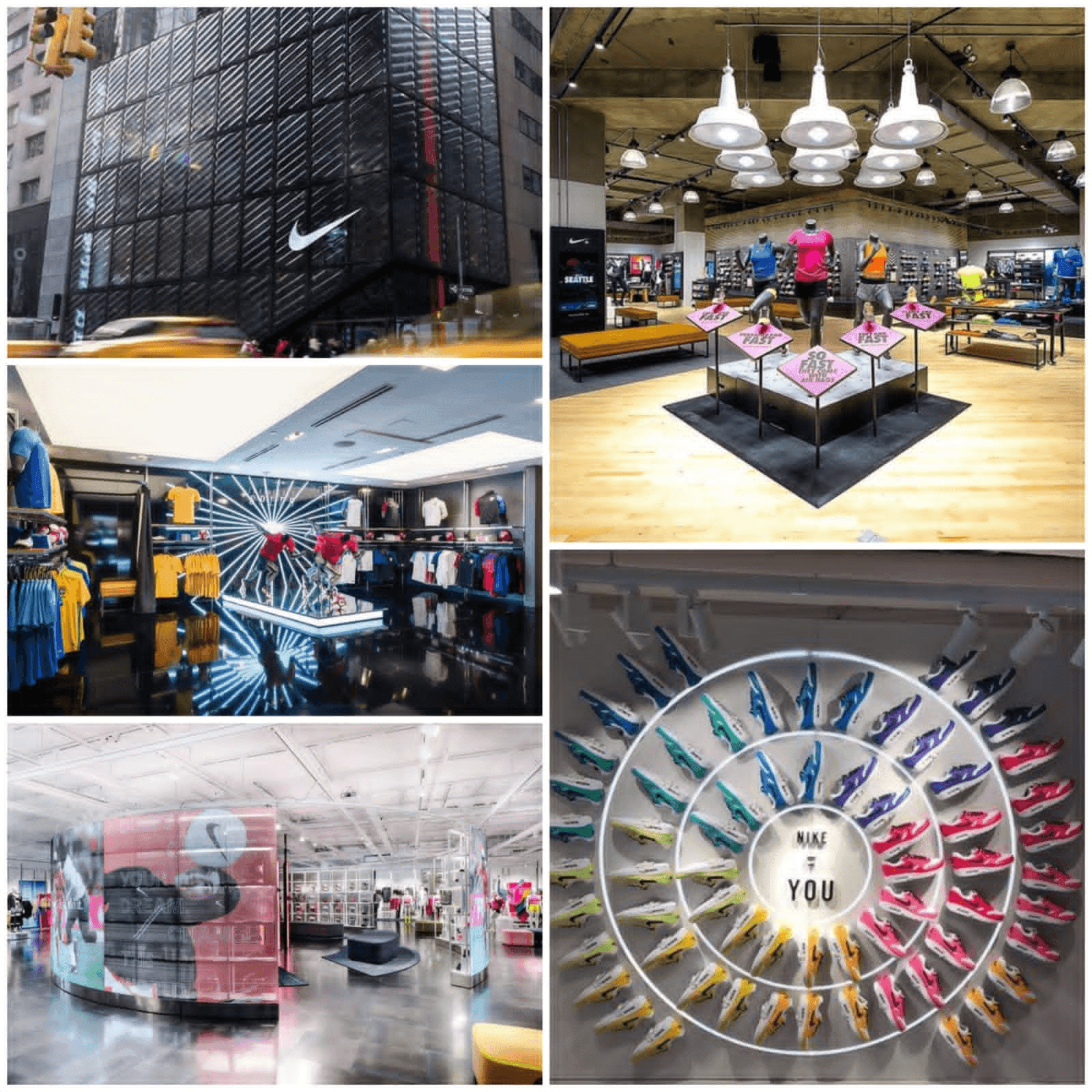
Nike's marketing channels span every platform where athletes and sneaker enthusiasts spend their attention, a multi-channel approach that is best understood alongside the SWOT Analysis of Nike, which reveals the strategic strengths and vulnerabilities behind every channel decision Nike makes.

Is Digital Marketing the Right Career for You?
Find out in a free 45-min masterclass · Career paths, roles and growth explained · By Karan Shah, Founder & CEO, IIDE

Is Digital Marketing the Right Career for You?
Find out in a free 45-min masterclass · Career paths, roles and growth explained · By Karan Shah, Founder & CEO, IIDE
Marketing Strategy Breakdown
1. Emotional Advertising Strategy
Nike has never really sold shoes; it has sold the feeling of what you could become. From "Just Do It" in 1988 to "You Can't Stop Us" in 2020, every major Nike campaign has been built around human aspiration rather than product features. The brand consistently chooses stories of underdogs, comebacks, and perseverance because those stories connect with every person, regardless of whether they play sports at all.
- "Just Do It" was launched in 1988, still Nike's most powerful brand asset globally
- "You Can't Stop Us" split-screen film showing parallel moments across sports, 58 million YouTube views
- "Dream Crazy" ft. Colin Kaepernick, controversial but drove 31% sales increase in the week it launched
- India campaigns "Da Da Ding" ft. Deepika Padukone became a cultural anthem for Indian women in sport
- Every campaign is built around emotion first, product second, a discipline most brands fail to maintain
2. Athlete Endorsement Strategy
No brand in history has used athlete endorsements more effectively than Nike. The Michael Jordan deal in 1984 didn't just sell shoes; it created a template that Nike has followed for 40 years: find the athlete who represents something bigger than sport, sign them before the world knows their name, and build a story around them.
- Cristiano Ronaldo, LeBron James, and Serena Williams are global icons anchoring Nike's premium positioning
- Virat Kohli, India's most commercially powerful athlete, is central to Nike India's cricket strategy
- Emerging athlete investments signing young athletes before they peak keeps endorsement costs low and authenticity high
- Jordan Brand is a $7 billion sub-brand built entirely on one athlete's legacy, still growing 40 years later
- Nike spends $1.3 billion annually on demand creation athlete deals are the single largest component
3. Direct-to-Consumer (DTC) Strategy
Nike's most ambitious and most troubled marketing move of the last decade was its bet on direct-to-consumer. By cutting wholesale partners and pushing customers to Nike.com and the Nike App, the brand aimed to own the customer relationship completely. The strategy worked during COVID. It unravelled after.
- Nike App and SNKRS App designed to create an exclusive, members-only buying experience
- SNKRS App creates artificial scarcity for limited drops, driving hype and resale culture
- Nike Membership: 160 million+ members globally, providing first-party purchase data
- DTC revenue reached $18.8 billion in FY2025 but fell 13% as digital sales collapsed 20%
- CEO Elliott Hill's 2026 reset rebuilding wholesale relationships with Foot Locker and multi-brand retailers that Nike had abandoned
4. Social Media & Content Strategy
Nike's social media strategy is built around one principle: show real athletes doing real things, and let the product earn its place in the frame. Unlike luxury brands that manufacture perfection, Nike consistently uses raw, unfiltered athlete content that feels earned rather than staged.
- Instagram: 306 million+ followers, the highest of any sports brand globally
- YouTube: long-form athlete documentaries and brand films that generate millions of organic views
- Nike Training Club & Nike Run Club apps 50 million+ downloads, creating daily touchpoints with consumers
- India social strategy: cricket-first content, regional language campaigns, and Bollywood crossover moments
- TikTok Gen Z engagement through sneaker culture, fitness challenges, and athlete-led content
5. India Marketing Strategy
India represents one of Nike's most important and most underdeveloped opportunities. With 600 million people under 25, a booming fitness culture, and rising aspirational spending, India should be Nike's fastest-growing market. The reality is more complicated.
- "Da Da Ding" campaign, Deepika Padukone-led anthem for women in sport, one of Nike India's most successful campaigns
- Cricket-first approach, Virat Kohli partnership, and IPL team kit sponsorships build mass market visibility
- Nike India stores concentrated in Tier 1 cities: Mumbai, Delhi, Bangalore, Hyderabad, Chennai
- Premium pricing remains a barrier to Nike's entry-level products, which start at Rs 4,000-5,000, above Adidas and Puma equivalents
- Growing opportunity in women's fitness yoga, running, and gym culture, driving demand for Nike Pro and Dri-FIT in urban India
6. Product & Innovation Marketing Strategy
Nike's product marketing has always been about making performance feel aspirational. But between 2019 and 2023, Nike leaned too heavily on retro silhouettes, Air Force 1, Dunk, Air Max and underinvested in genuinely new performance products. Competitors filled the gap.
- ZoomX foam technology, marketed as the fastest running shoe material ever made, is used in Vaporfly and Alphafly marathon shoes
- Air Jordan Brand is marketed separately as a lifestyle and culture brand, generating $7 billion annually
- Nike Dri-FIT and Pro performance apparel is marketed through athlete usage rather than technical specifications
- 2026 reset new product pipeline focusing on performance innovation over retro lifestyle, attempting to reclaim serious athletes lost to On Running and Hoka
- Sustainability marketing Nike's "Move to Zero" programme, targeting carbon neutrality, is increasingly important for younger consumers globally
Nike's emotional advertising success stands in sharp contrast to how its biggest rival approaches brand building, and understanding that contrast is best explored through the Marketing Mix of Adidas, where a very different philosophy has been steadily closing the gap.
Results & Impact
Nike's marketing has delivered some of the most measurable results in brand history and some of its most painful recent failures. Here is the complete 2026 picture:
Brand Value & Global Reach:
- Most valuable sports brand globally, with a brand value of $31.3 billion (Kantar 2025)
- Present in 190+ countries with 1,000+ retail stores
- 306 million+ Instagram followers, the highest of any sports brand in the world
- Nike Training Club & Nike Run Club 50 million+ combined app downloads
- Nike Membership 160 million+ members globally
Revenue Performance:
- FY2025 total revenue: $46.3 billion, down 10% YoY
- Nike Direct revenue: $18.8 billion, down 13% YoY
- Digital sales: down 20% YoY, the biggest single-year digital decline in Nike's history
- Converse revenue: $1.7 billion down 19% YoY
- Net income: significantly compressed due to higher discounts and tariff impacts
Athlete & Campaign Impact:
- "Dream Crazy" ft. Colin Kaepernick 31% sales increase in the week of launch
- "You Can't Stop Us" 58 million YouTube views, one of Nike's most shared campaigns
- Jordan Brand $7 billion annual revenue, still growing 40 years after Michael Jordan's first deal
- Nike India "Da Da Ding" is one of the most awarded Indian sports campaigns ever made
Digital & Loyalty:
- SNKRS App most downloaded sneaker app globally
- 160 million Nike Members, the largest sports loyalty database in the world
- Nike.com is one of the highest-traffic retail websites globally
India Specific:
- Nike India is present in all major Tier 1 cities
- Virat Kohli's partnership most commercially impactful cricket endorsement in Nike India's history
- Growing women's fitness segment, Nike Pro and Dri-FIT driving double-digit growth in urban India
Nike's India struggles highlight how even the world's most powerful sports brand can underestimate a market, a pattern explored in the Marketing Strategy of Puma, which took a very different approach to India and built a stronger mass-market presence as a result.
What Worked & Why
1. Emotional Advertising The Greatest Marketing Asset in Sports - No brand has consistently made people feel something the way Nike has. From "Just Do It" to "Dream Crazy" to "Da Da Ding" in India, every campaign was built around human truth, not product features. The Kaepernick campaign lost some customers and gained millions more because Nike understood that in a crowded market, taking a stand is worth more than playing it safe. That emotional depth is why Nike's brand value remains $31.3 billion despite a revenue decline.
2. The Jordan Brand A $7 Billion Bet That Never Stopped Paying - Signing Michael Jordan in 1984 when he almost went to Adidas was the single best marketing decision in sports history. Jordan Brand now generates $7 billion annually, 40 years after the first Air Jordan launched. The lesson Nike proved is that the right athlete partnership isn't an endorsement deal, it's a cultural institution. No competitor has replicated it because no competitor dared to build it the same way.
3. Nike Run Club & Training Club Marketing Disguised as a Service - Giving away free world-class coaching apps was never just corporate generosity. Every time a runner uses Nike Run Club to track a 5K, they associate their personal progress with Nike. Every gym session logged on Nike Training Club strengthens the brand relationship without spending a rupee on advertising. With 50 million+ downloads, these apps are Nike's most cost-efficient marketing channel and the most underrated.
4. SNKRS App Turning Scarcity Into a Marketing Strategy - The SNKRS App transformed sneaker buying from a transaction into an event. Limited drops, exclusive access, and member-only launches created a culture where getting a Nike shoe felt like winning something. That manufactured scarcity drove resale values, social media conversation, and brand heat that no traditional advertising could replicate. At its peak, SNKRS was the most downloaded sneaker app in the world.
5. India's "Da Da Ding" Campaign Getting Culture Right - Most global brands fail in India because they localise badly, translating global campaigns rather than creating something genuinely Indian. Nike India's "Da Da Ding", featuring Deepika Padukone, was the opposite of a campaign that felt like it could only have been made for India. It spoke to Indian women in sport at a time when nobody else was. It won awards, drove brand love, and proved that Nike could create culturally resonant work outside the US when it tried.
What Didn't Work & Why
1. The Direct-to-Consumer Overreach - Between 2020 and 2023, Nike made one of the most aggressive and ultimately damaging channel bets in retail history. It cut ties with 50% of its wholesale partners, including Foot Locker, DSW, and department stores, pushing customers exclusively toward Nike.com and the Nike App. The logic was sound: own the customer relationship, capture more margin, build direct data. The execution was a disaster. Digital sales collapsed 20% in FY2025. The wholesale partners Nike abandoned filled their shelves with Adidas, New Balance, and On Running, and customers followed. CEO Elliott Hill's first major move upon returning in 2024 was to rebuild the wholesale relationships Nike had spent three years destroying.
2. Over-Relying on Retro Silhouettes - For five years, Nike's product marketing leaned almost entirely on nostalgia, Air Force 1, Dunk, and Air Max 90. These silhouettes drove enormous revenue during COVID when consumers wanted comfort and familiarity. But flooding the market with retro styles killed the scarcity that made them desirable in the first place. The sneakerhead community, Nike's most influential brand advocates, moved to New Balance 990s and Adidas Samba. Nike had turned its most coveted products into commodities.
3. Losing the Performance Running Market - Nike invented modern performance running with the ZoomX Vaporfly. Then it stopped innovating fast enough. On Running and Hoka filled the gap with genuinely better everyday running shoes, and serious runners noticed. By 2024, On Running's revenue was growing at 30%+ annually while Nike's running category was declining. Losing serious runners is particularly damaging because they are the most credible endorsers of performance footwear; their choices influence the aspirational buyers who make up Nike's largest customer segment.
4. China Strategy Failure - Nike bet heavily on China as its next major growth market, and it was right about the opportunity. It was wrong about the execution. As US-China tensions rose and domestic brands like Anta and Li-Ning invested in nationalist marketing, Nike found itself on the wrong side of Chinese consumer sentiment. Revenue from Greater China declined sharply, and unlike a product problem, a perception problem in a nationalist market is extremely difficult to reverse through marketing alone.
5. India 30 Years of Missed Opportunity - Nike has been in India since 1996, and 30 years later, it still hasn't cracked the mass market. Premium pricing keeps Nike out of reach for most Indian consumers. Distribution is concentrated in Tier 1 cities. And while Adidas and Puma have aggressively expanded into Tier 2 and Tier 3 markets, Nike has remained cautious. In a country of 1.4 billion people with the world's youngest population, 30 years of conservative India strategy is a missed opportunity that is getting harder to recover.
Buyers Persona:

Akarv D’mello
Mumbai
Occupation: Digital creator
Age: 26 years
Motivation
Interest & Hobbies
Pain Points
Social Media Presence
Want to Know Why 2,50,000+ Students Trust Us?
Dive into the numbers that make us the #1 choice for career success


MBA - Level
Post Graduate in Digital Marketing & Business Strategy

Best For
Fresh Graduates

Mode of Learning
On Campus (Mumbai & Delhi)

Starts from
Nov 27, 2026

Duration
11 Months

Live & Online
Advanced Online Digital Marketing Course
Best For
Working Professionals
Mode of Learning
Online
Starts from
Nov 2, 2026
Duration
4-6 Months

Offline
Top AI Courses to Make You Future Ready!
Best For
AI Enthusiasts
Mode of Learning
2–5 Month Program
Starts from
Nov 23, 2026
Duration
Flexiable
Offline
Undergraduate Program in Digital Business & Entrepreneurship
Best For
12th Passouts
Mode of Learning
On Campus (Mumbai)
Duration
3 Years
Offline
Degree In 2026 ≠ Enough Degree + Digital Skills = Future-Ready
Best For
12th Passouts
Mode of Learning
At IIDE Campus
Duration
3 Years
Recent Post

Lead Trainer & Business Development Head at IIDE
Aditya Shastri leads the Business Development segment at IIDE and is a seasoned Content Marketing expert. With over a decade of experience, Aditya has trained more than 20,000 students and professionals in digital marketing, collaborating with prestigious institutions and corporations such as Jet Airways, Godrej Professionals, Pfizer, Mahindra Group, Publicis Worldwide, and many others. His ability to simplify complex marketing concepts, combined with his engaging teaching style, has earned him widespread admiration from students and professionals alike.
Aditya has spearheaded IIDE’s B2B growth, forging partnerships with over 40 higher education institutions across India to upskill students in digital marketing and business skills. As a visiting faculty member at top institutions like IIT Bhilai, Mithibai College, Amity University, and SRCC, he continues to influence the next generation of marketers.
Apart from his marketing expertise, Aditya is also a spiritual speaker, often traveling internationally to share insights on spirituality. His unique blend of digital marketing proficiency and spiritual wisdom makes him a highly respected figure in both fields.